DC is making financial literacy a required part of a high school education, a major change aimed at ensuring students graduate with the skills to manage money, credit and financial risk.
The DC State Board of Education (SBOE) voted last night, September 16, 2026, to add a half-credit financial literacy course to the District’s graduation framework, along with a half credit career preparation course. The SBOE’s vote completes the District’s approval process, and DC Public Schools and other local education agencies will be responsible for implementing the requirements.
Research shows that completing a personal finance course in high school can lead to substantial long-term financial benefits, including a $100,000 increase, on average, in lifetime earnings, as well as improved borrowing decisions, reduced debt, and stronger investment outcomes over a lifetime for the student who completed the class.
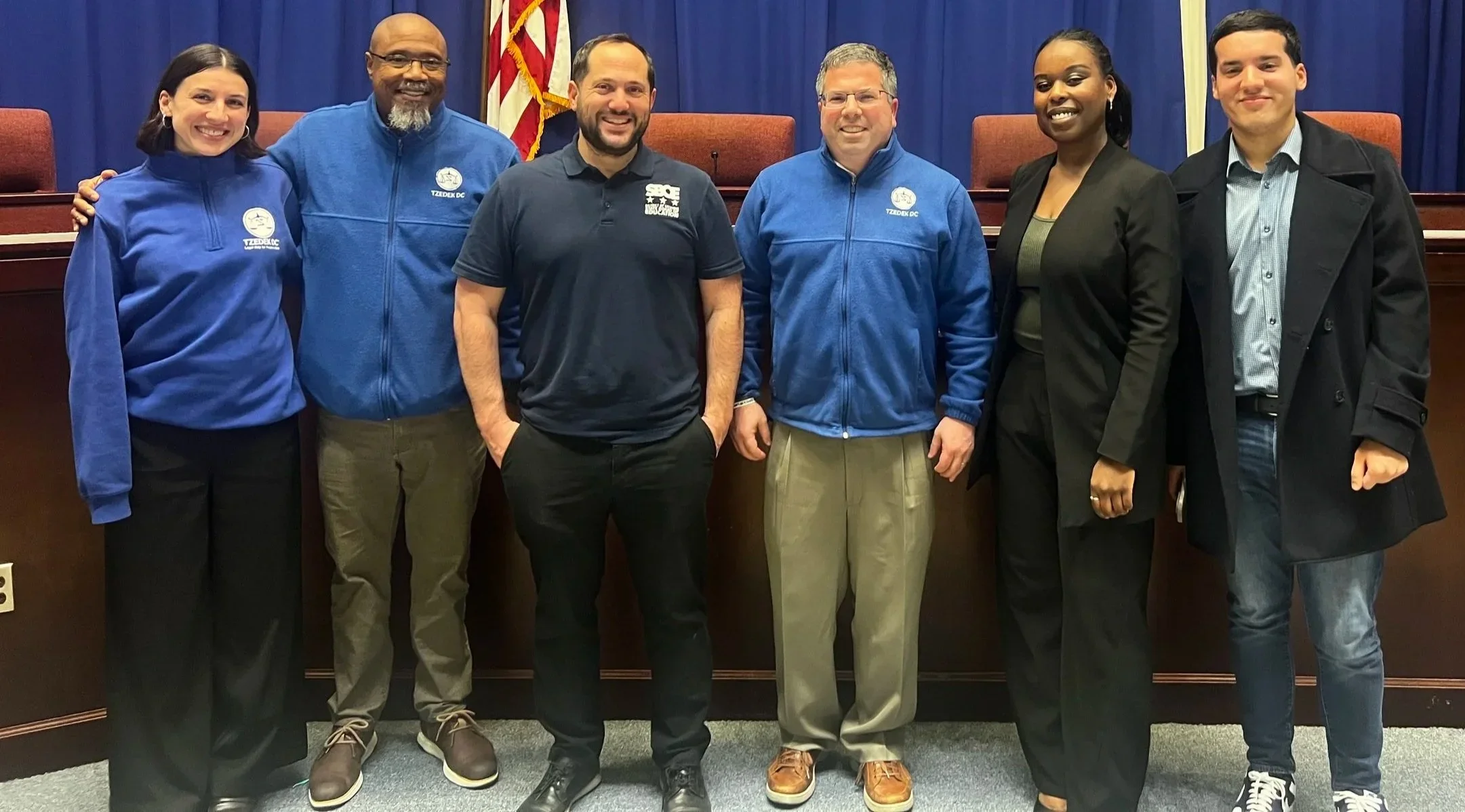
“This is an important victory for DC young people and their families,” said Ariel Levinson-Waldman, founding director of Tzedek DC. “Every young person should have the opportunity and tools to leave high school with a nuts and bolts understanding of a paycheck, taxes, and the benefit of savings and investing, and how to create a budget, manage credit, recognize financial scams, and work towards informed decisions about their future. Today’s vote makes those practical skills part a right for every DCPS child.”
Tzedek DC and coalition partners have been working on this issue for five years, including developing recommendations to the DC government, which has received an F from the national evaluators in its financial literacy curriculum, compared to an A for Virginia and B in Maryland. Following those recommendations, the DC Office of State Superintendent for Education finalized financial literacy standards in 2024. The standards emphasize practical financial skills such as earning income, saving and investing, budgeting, credit management, and managing financial risk. OSSE then proposed graduation requirements that would include a financial literacy and career preparation class.
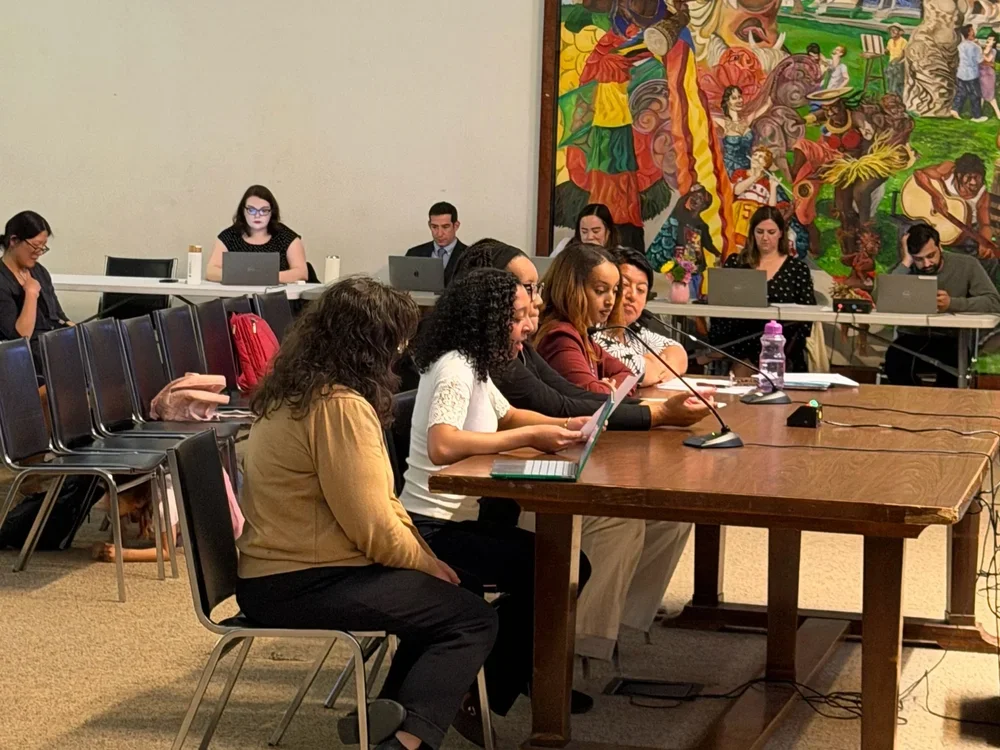
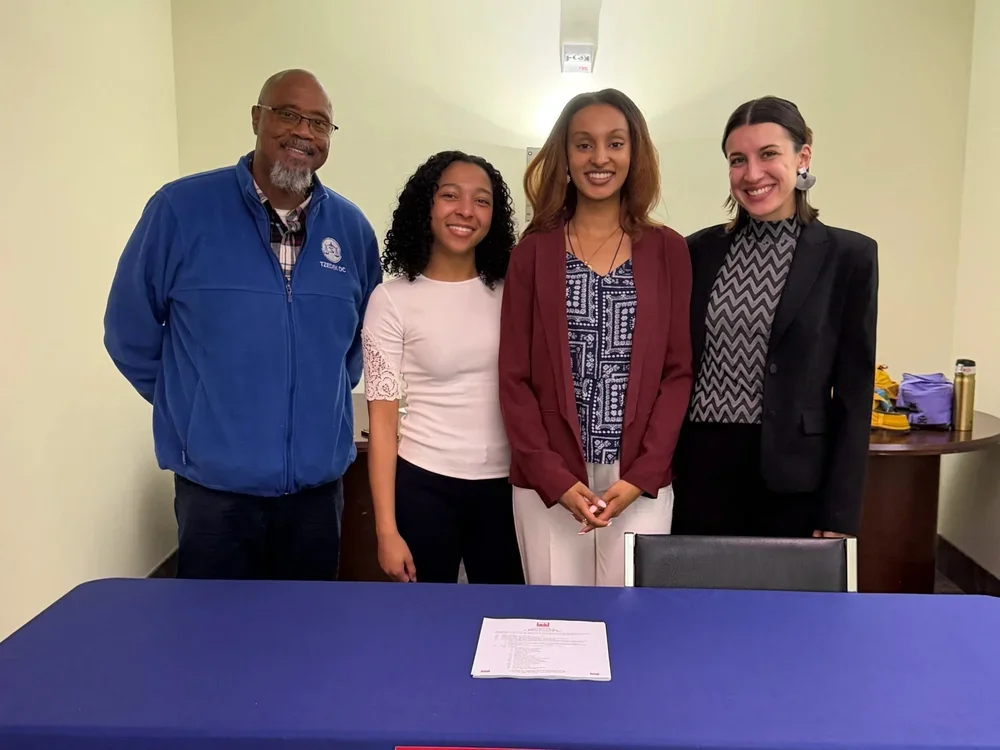
Over the course of several hearings in March and April 2026, Tzedek DC staff members, young adult DC residents, alums of Tzedek DC’s Financial Empowerment Program, as well current DC high school seniors and other community members, testified to the DC State Board of Education in support of OSSE’s proposal.
Tzedek DC has seen the impact of financial education firsthand through its Youth Financial Empowerment Program, an eight-week course offered at no cost to District residents that covers budgeting, credit, savings, investing and consumer protections. Eighty-five percent of participants report making changes to their financial habits after completing the program, and 90% say they would recommend it to others.
The proposed half-credit course is a meaningful step towards empowering DC students with the tools to control their financial future. The graduation requirement aligns the District with neighboring states such as Virginia and Maryland and an emerging majority of states in the country, which already include financial literacy education within their high school graduation frameworks.
For more information about Tzedek DC’s Financial Empowerment Program, visit https://www.tzedekdc.org/empowerment.
The above August 19, 2026, WUSA story covers this vote, including excerpts from an interview with Tzedek DC's Director. Also check out this September 16 article from DC News Now!
About Tzedek DC
Tzedek DC’s name is drawn from the ancient Jewish teaching “Tzedek, tzedek tirdof,” or “Justice, justice you shall pursue.” Headquartered at the University of the District of Columbia David A. Clarke School of Law and with offices also in Ward 8, Tzedek DC’s mission is to safeguard the legal rights and financial health of DC residents with lower incomes facing the often-devastating consequences of debt collection and credit-related obstacles. This mission is carried out as anti-racism work in response to the massive wealth gaps tracking race in DC and nationwide. Tzedek DC seeks to serve and empower our client base, which is comprised of 90% Black people, 60% women, and 25% disabled community members. Our strategic approach combines three synergistic activities: (i) free direct services—legal representation and advice and financial counseling; (ii) working in coalition to make systemic change; and (iii) providing bilingual community legal education on debt collection, identity theft, and credit management. Since launching in 2017, Tzedek DC has served over 7,000 households and catalyzed systemic change benefiting hundreds of thousands of DC community members.