AI, Credit, and the Myth of the Shortcut

What you need to know to protect your financial well-being.

Credit affects many important parts of our lives—our housing options, employment opportunities, and overall financial stability. It’s understandable that when people want to improve their credit, they look for tools that promise quick answers or faster results. Recently, many of these tools have been marketed as “AI-powered,” which can make them sound more effective or advanced than they really are.
We’ll walk through what AI can and cannot do when it comes to credit. Our goal is to help you stay informed, protect your personal information, and focus on the trusted habits that truly build strong credit over time.

The Myth of AI

Artificial Intelligence (AI) is showing up more and more in our financial lives. Some tools genuinely help you stay organized or better understand your credit. Others use the word “AI” mainly as a marketing term—sometimes to sell products, and sometimes to collect personal data.

Because of that, it’s important to understand the real limits of AI in the credit world.

Here’s what AI cannot do for your credit:

  • Remove accurate negative information from your credit reports

  • Override the laws that govern credit scoring

  • Raise your credit score instantly

  • Replace the consistent habits that build and maintain good credit

  • Prevent creditors from reporting missed payments

  • Fix errors without you filing a proper dispute

In short: AI cannot perform shortcuts or miracles.

It can support your credit habits, but it cannot do the work for you.

Protect Your Privacy and Data When Exploring AI Tools

Before using any app or platform, review:

  • How your data is used or shared

  • Whether the company makes unrealistic promises

  • If the service is transparent about security

  • Whether the platform collects more information than necessary

Your information is valuable—treat it with care.

The Myth of the Shortcut

Credit improvement has never been about quick fixes. While technology can help you stay organized, real credit growth still relies on your actions, not on automated tools.

Some platforms now advertise “AI-powered credit repair” or “instant score boosts.” These claims are not only misleading—some are impossible under the Fair Credit Reporting Act.

It’s completely understandable to want a faster path, especially when credit feels overwhelming or stressful. But the truth is: the actions that build credit have stayed the same for decades because they work.

Examples of actions that lead to lasting credit improvement:

  • Paying bills on time

  • Keeping balances low

  • Avoiding unnecessary new debt

  • Maintaining a long, positive credit history

  • Reviewing credit reports regularly and resolving errors

These steps may not feel exciting, but they are reliable—and they protect you from predatory services that promise results they cannot deliver.

Use AI to Support Real-World Actions

AI can still be a helpful tool—when you use it intentionally.

AI won’t build your credit for you, but it can help you break your credit-building goals into smaller steps, understand financial terms, and create a personalized plan.

Here are example prompts you can use:

1. Pay bills on time

Prompt:

“Help me build a payment system that prevents missed bills—include reminders and due date strategies.”

2. Keep debt balances low

Prompt:

“Explain how credit utilization works and create a 60–90 day plan to lower my balances.”

3. Avoid taking on unnecessary debt

Prompt:

“Help me evaluate when taking on new debt makes sense and when I should avoid it.”

4. Maintain a long, positive credit history

Prompt:

“Walk me through the impact of closing old credit accounts and help me weigh the impact on my credit history of closing those accounts.”

5. Monitor your reports for errors

Prompt:

“Create a detailed checklist for reviewing my credit reports and identifying common errors to dispute.”

AI-Driven Credit Tools: Helpful, But Not a Magic Fix

Tools like Experian Boost or Credit Karma’s Score Simulator can offer insights into how your actions might affect your score. Some users may see small improvements, but these tools:

  • Only effect certain credit files (e.g., Experian only)

  • Do not change how lenders calculate risk

  • Cannot guarantee score increases

  • May require sharing access to sensitive personal data

Use these tools to learn, not as a replacement for real credit habits.

What Actually Works: The Tried-and-True Methods Still Win

While AI tools can be helpful companions, the most reliable credit-building strategies are the same ones that have supported consumers for decades.

Credit Education: Understanding how credit works and knowing your rights is the foundation of making the best credit decisions.

myFICO.com: Provides education and access to the scoring models most lenders actually use.

NFCC-Certified Counselors: Trusted, nonprofit professionals offering judgment-free credit and debt guidance rooted in consumer protection.

AnnualCreditReport.com: Your official, free source for reviewing all three major credit reports and catching errors early.

Reliable Credit-Building Strategies:

  • Pay bills on time

  • Limit debt

  • Keep balances low

  • Let your credit history grow

  • Review your reports regularly

Small, consistent actions drive lasting credit changes.

Final Word

AI can absolutely play a role in supporting your credit journey—but only as a partner. Real credit improvement doesn’t come from shortcuts or technology. It comes from your awareness, your decisions, and your consistency.

And you don’t have to navigate this alone.

Tzedek DC is here to support you with free, judgment-free, trauma-informed guidance so you can build credit with confidence and protect your financial future.

Reach out now: tzedekdc.org/legal-services-contact-us

Visit tzedekdc.org or call us at  (202) 274-7386

Washington Post Features Tzedek DC’s Medical Debt Work as 12/15 Hearing Approaches 

The Washington Post recently covered the national and local DC reform debates about the harms of medical debt on credit reports, quoting Staff Attorney Jennifer Holloway and linking to Tzedek DC’s report on DC’s medical debt crisis in advance of the upcoming December 15, 2025, hearing by the DC Council on proposed reforms arising out of the report. 

As Medicaid cuts take effect and the federal government’s harmful policies worsen, the already significant scope of medical debt problems is generating further focus, leading into the Council’s December 15 hearing. 

DC’s medical debt challenges mirror the emerging, large national challenges. Newsweek on November 30 devoted an entire article to medical debt, noting in part that "As part of the 'One Big Beautiful Bill', there will be $1 trillion in cuts made to Medicaid, which the Congressional Budget Office (CBO) predicted will see millions pushed off the program, alongside work requirements for eligibility, unless exempt, which many have warned will push even more Americans off the program, largely because of the administrative burden."

Further, the expiration of enhanced tax credits, which helped low-income Americans purchase plans through the Affordable Care Act marketplace, is expected to cause healthcare premiums to rise about 20 percent. Millions of people may lose access to health insurance as a result of these changes. 

Stanford University professor Mahoney notes, as quoted in Newsweek, that "My research shows this medical debt will weigh on family budgets and harm their health, reducing credit scores and making families think twice before filling their medications and going back to the doctor for follow-up care." He went on to say, “hospitals should also do their part by providing financial assistance to families that can't pay and forgiving unpayable debt." 

Tzedek DC’s testimony at the DC Council’s upcoming December 15 hearing and our coalition advocacy and support of community members sharing their stories will make the case for reforms to reduce those stresses and burdens on DC families from medical debt.

About Tzedek DC 

Tzedek DC’s name is drawn from the ancient Jewish teaching “Tzedek, tzedek tirdof,” or “Justice, justice you shall pursue.” Headquartered at the University of the District of Columbia David A. Clarke School of Law and with offices also in Ward 8, Tzedek DC’s mission is to safeguard the legal rights and financial health of DC residents with lower incomes facing the often-devastating consequences of debt collection and credit-related obstacles. This mission is carried out as anti-racism work in response to the massive wealth gaps tracking race in DC and nationwide. Tzedek DC seeks to serve and empower our client base, which is comprised of 90% Black people, 60% women, and 25% disabled community members. Our strategic approach combines three synergistic activities: (i) free direct services—legal representation and advice and financial counseling; (ii) working in coalition to make systemic change; and (iii) providing bilingual community legal education on debt collection, identity theft, and credit management. Since launching in 2017, Tzedek DC has served over 6,000 households and catalyzed systemic change benefiting hundreds of thousands of DC community members. 

Tzedek DC Expands Development and Communications Team

Tzedek DC is thrilled to announce the growth of our development and communications team! We recently welcomed Jessica Trease as our first-ever Director of Development and Sarah Foster as Development & Communications Associate. Longtime Tzedek DC colleague Caitlyn Hickman has been promoted to Assistant Director of Development. 

Development Director Jessica Trease brings more than a decade of experience in nonprofit leadership, with a career centered on strengthening nonprofit organizations in the District. Her deep experience includes serving as Development Director and Interim Executive Director at Ayuda, one of Tzedek DC’s partner organizations, and she holds a Master of Social Work and is a Certified Fundraising Executive. 

Assistant Development Director Caitlyn Hickman served singlehandedly as Tzedek DC’s full-time development and communications manager since February 2020, until this expansion. Under her leadership during the past five years, Tzedek DC’s development revenue has more than quadrupled. Prior to joining Tzedek DC, Caitlyn worked in business development and communications for a DC law firm, and she holds a Master of Science in Philosophy. 

Sarah Foster is Tzedek DC’s Development & Communications Associate. Sarah began her fundraising career working in student development and alumni relations at York College of Pennsylvania and expanded her reach to the DC area through a year-long internship at the Center on Budget and Policy Priorities. Sarah holds a Master of Public Policy and Administration. 

Tzedek DC’s Founding Director Ariel Levinson-Waldman said: “In response to community demand, in the nearly nine years since we opened our doors, Tzedek DC has grown to a paid staff of 20, supported by many volunteers. The addition and promotion of these talented development professionals reflect the need to sustain, expand, and adapt our work in response to the increasing needs of our clients and the DC community we serve in these challenging times.”

About Tzedek DC 

Tzedek DC’s name is drawn from the ancient Jewish teaching “Tzedek, tzedek tirdof,” or “Justice, justice you shall pursue.” Headquartered at the University of the District of Columbia David A. Clarke School of Law and with offices also in Ward 8, Tzedek DC’s mission is to safeguard the legal rights and financial health of DC residents with lower incomes facing the often-devastating consequences of debt collection and credit-related obstacles. This mission is carried out as anti-racism work in response to the massive wealth gaps tracking race in DC and nationwide. Tzedek DC seeks to serve and empower our client base, which is comprised of 90% Black people, 60% women, and 25% disabled community members. Our strategic approach combines three synergistic activities: (i) free direct services—legal representation and advice and financial counseling; (ii) working in coalition to make systemic change; and (iii) providing bilingual community legal education on debt collection, identity theft, and credit management. Since launching in 2017, Tzedek DC has served over 6,000 households and catalyzed systemic change benefiting hundreds of thousands of DC community members. 

Court Halts Policing in DC by State Militias Following Tzedek DC Advocacy

Yesterday, a federal court ruled that the federal government’s unilateral deployment of the National Guard into the District was unlawful, finding that the President exceeded his lawful authority by using military troops to police the District of Columbia.

The court issued a preliminary injunction halting the National Guard deployment in DC, which will go into effect in twenty days.

In September, Tzedek DC and allied DC civil rights and legal services organizations filed a federal court amicus brief to support the District of Columbia’s lawsuit to stop the use of the National Guard for local law enforcement purposes.

As an organization that serves a significant number of crime victims, Tzedek DC is especially concerned that those making choices about running the District’s local public safety functions are accountable to those who will feel the impact of their decisions most directly.

The court’s ruling makes clear that no President can deploy military troops into DC without legal authority—and reinforces the importance of public accountability, civil rights, and DC autonomy.

Read the ruling here. 

Read the injunction here. 

Read the amicus brief here. 

About Tzedek DC

Tzedek DC’s name is drawn from the ancient Jewish teaching “Tzedek, tzedek tirdof,” or “Justice, justice you shall pursue.” Headquartered at the University of the District of Columbia David A. Clarke School of Law and with offices also in Ward 8, Tzedek DC’s mission is to safeguard the legal rights and financial health of DC residents with lower incomes facing the often-devastating consequences of debt collection and credit-related obstacles. This mission is carried out as anti-racism work in response to the massive wealth gaps tracking race in DC and nationwide. Tzedek DC seeks to serve and empower our client base, which is comprised of 90% Black people, 60% women, and 25% disabled community members. Our strategic approach combines three synergistic activities: (i) free direct services—legal representation and advice and financial counseling; (ii) working in coalition to make systemic change; and (iii) providing bilingual community legal education on debt collection, identity theft, and credit management. Since launching in 2017, Tzedek DC has served over 6,000 households and catalyzed systemic change benefiting hundreds of thousands of DC community members.

Tzedek DC’s Advocacy Against Cash Bail Featured in News as Fight Moves to Senate

Yesterday, the U.S. House of Representatives passed a proposed bill to reimpose a cash bail system on DC, a drastic change that would displace and destabilize the current, public safety-focused system that the DC Council adopted more than 30 years ago.  

The bill, which went through the House without a single witness at any hearings, seeks to both reimpose cash bail in DC and create mandatory detention for certain crimes, and, if made law, will lead to a bail system created on wealth rather than using DC’s current bail system, which focuses on public safety and risk of flight factors when making pre-trial release decisions.

Tzedek DC and allies are urging the Senate on a bipartisan basis to reject this proposal. Tzedek DC co-led a coalition of 180 organizations and concerned individuals in the submission of a joint letter earlier this week to the Senate and House detailing why the bill violates Home Rule and would harm DC residents if enacted. DC Congresswoman Eleanor Holmes Norton submitted the coalition letter to the Congressional Record during yesterday’s floor debate in the House. 

This advocacy followed the release of a new report by Tzedek DC on “Why Imposing Cash Bail Would Fail the People of DC.” The report details how, for 33 years, the District has been a national model for its risk-based detention system. Through a data-based approach, the report illustrates how DC’s current risk-based pretrial detention system has been effective and promoted public safety, how cash bail systems around the country have harmed communities and failed to improve public safety, and how a sudden cash bail mandate would threaten to overwhelm DC’s already dangerous and overcrowded jail and destabilize DC’s courts, all while exacerbating DC’s persistent racial disparities.

The coalition letter and Tzedek DC report have been featured in multiple local and national news outlets this week.

Tzedek DC’s report was referenced and linked in the Washington Post article, “Taking Trump’s lead, House Republicans eye changes to D.C. bail, policing.” The article features a quote from Tzedek DC Direct Ariel Levinson-Waldman, noting that the legislation would “punish poor people who may not pose a public safety risk to the community.” 

An article by The Bail Project featured Tzedek DC Staff Attorney and Returning Citizens Project lead Hannah Milem in their piece on “The Fight Over Freedom in D.C.” Hannah said, “We all want safer, healthier communities. But taking away freedom from people who can’t pay doesn’t make anyone safer—it just makes injustice deeper.” 

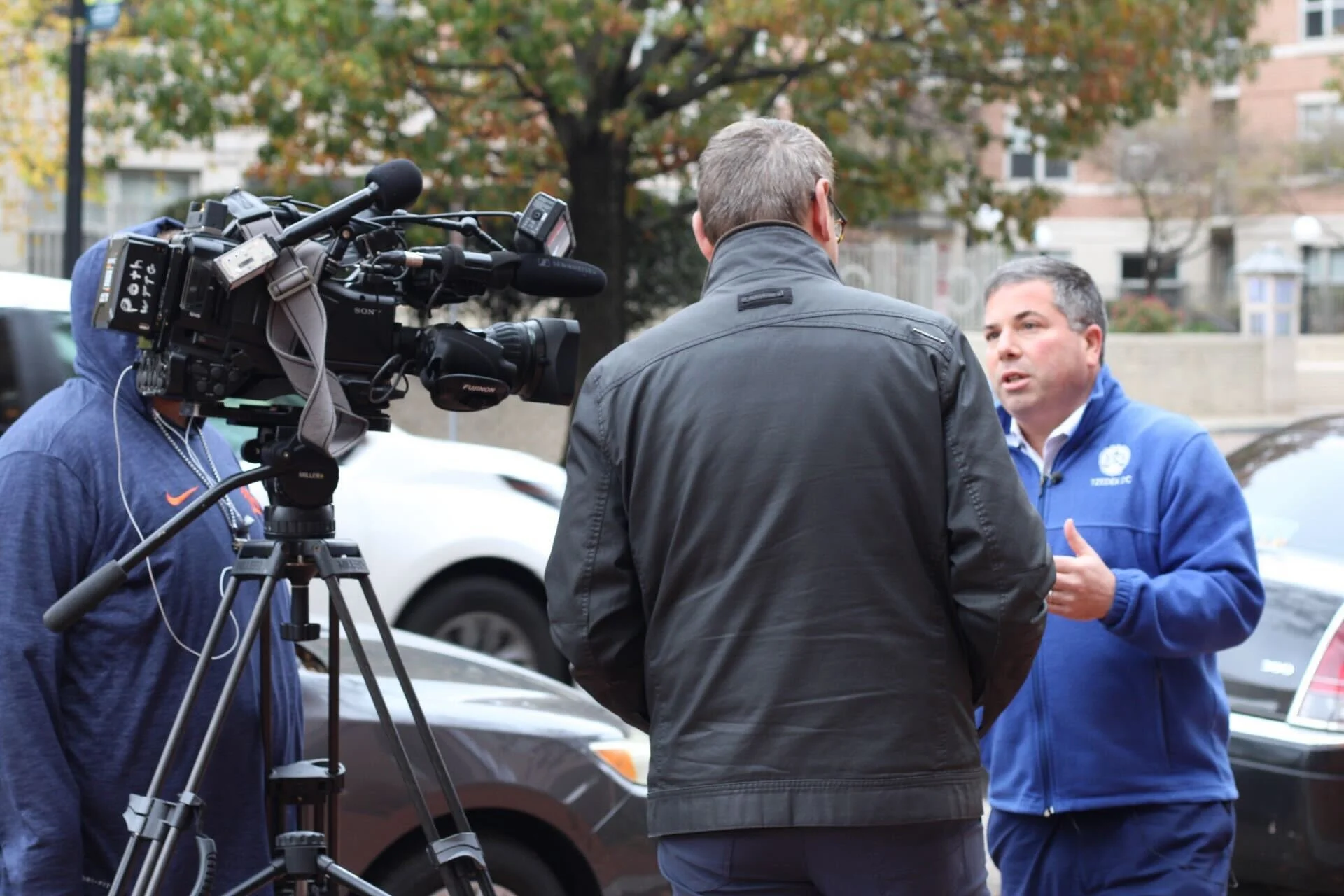
Interviews with Ariel were also broadcast on DC News Now and FOX5. DC News Now and FOX5 also released accompanying articles ahead of and after the vote, titled “DC advocates, leaders push back on House effort to reinstate cash bail system” and “House Republicans pass bills aimed at changing cash bail, police policies in DC,” where you can also view the segments.  

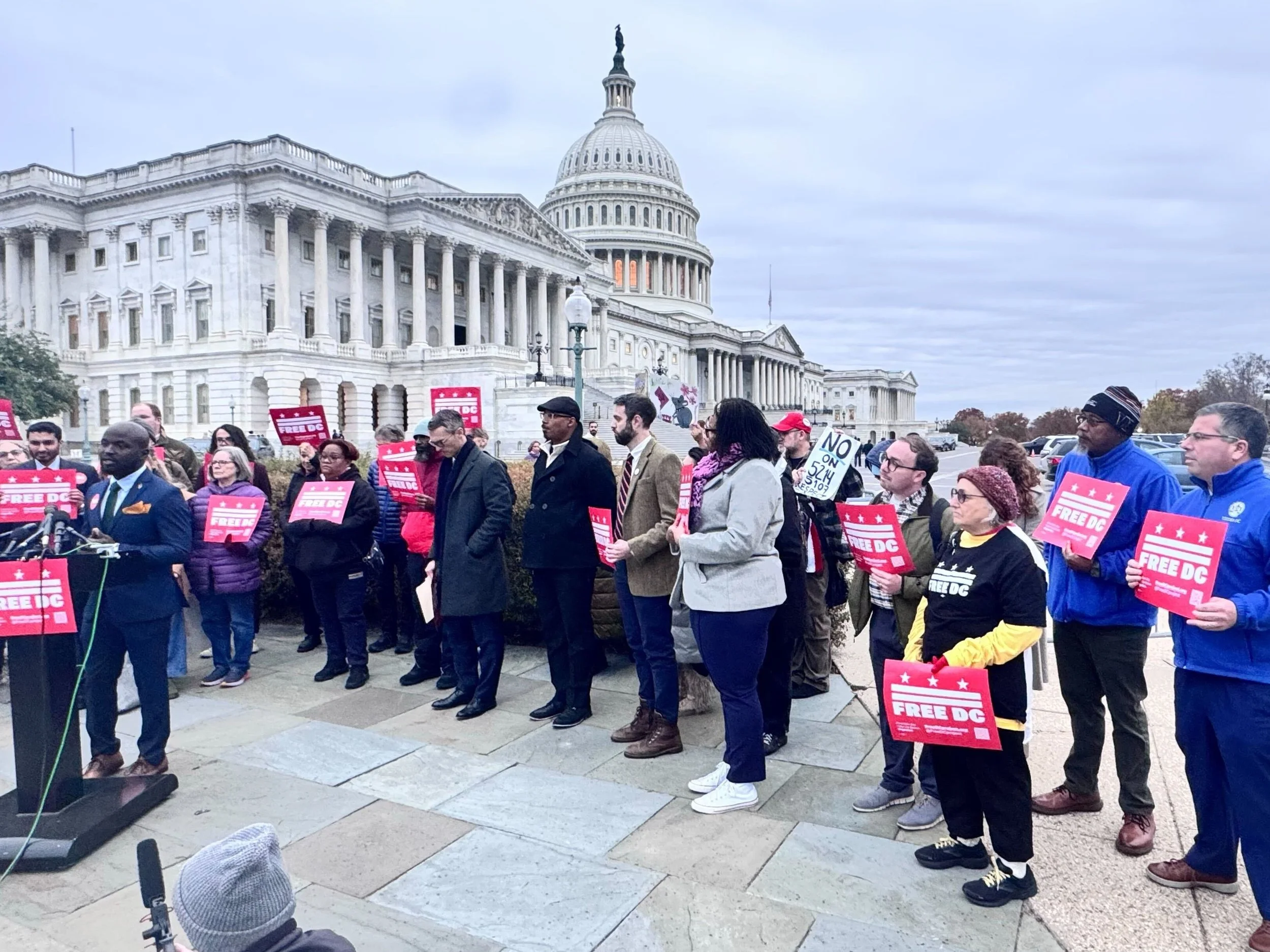
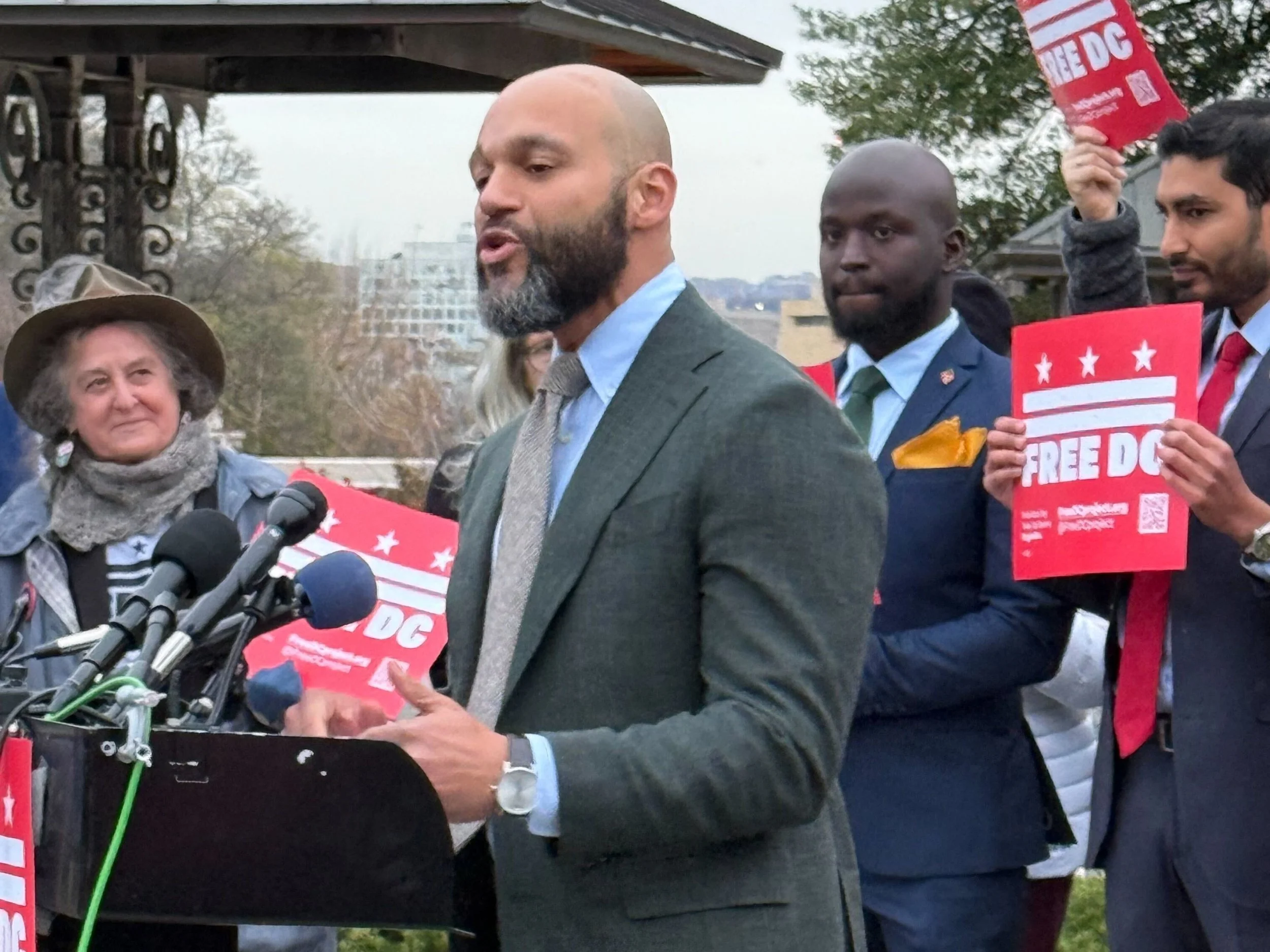
Tzedek DC team members stood shoulder to shoulder at a rally in support of the pro-DC advocacy on Capitol Hill and are pictured below standing in support of remarks made by Ward 8 Minister Christian Watkins of the NETWORK Lobby for Catholic Social Justice. Tzedek DC is also grateful that Councilmember Robert White at the rally cited Tzedek DC’s report in his remarks. 

Tzedek DC will continue to advocate against federal action seeking to reimpose cash bail in DC. As the bill moves to the Senate, Tzedek DC and allies will continue to fight for DC policy to be set by DC’s Home Rule Act-elected leaders based on best practices, data, and DC’s public interest, including public safety and economic justice. 

Click here to read the full coalition letter. 

Click here to read the full report. 

About Tzedek DC 

Tzedek DC’s name is drawn from the ancient Jewish teaching “Tzedek, tzedek tirdof,” or “Justice, justice you shall pursue.” Headquartered at the University of the District of Columbia David A. Clarke School of Law and with offices also in Ward 8, Tzedek DC’s mission is to safeguard the legal rights and financial health of DC residents with lower incomes facing the often-devastating consequences of debt collection and credit-related obstacles. This mission is carried out as anti-racism work in response to the massive wealth gaps tracking race in DC and nationwide. Tzedek DC seeks to serve and empower our client base, which is comprised of 90% Black people, 60% women, and 25% disabled community members. Our strategic approach combines three synergistic activities: (i) free direct services—legal representation and advice and financial counseling; (ii) working in coalition to make systemic change; and (iii) providing bilingual community legal education on debt collection, identity theft, and credit management. Since launching in 2017, Tzedek DC has served over 6,000 households and catalyzed systemic change benefiting hundreds of thousands of DC community members. 

Coalition of 180 Organizations and Individuals Urges Congress to Reject the DC Cash Bail Reform Act of 2025

A coalition of 180 organizations and concerned individuals is urging Congress to reject H.R. 5214, the “District of Columbia Cash Bail Reform Act of 2025,” warning it would reverse decades of progress, make DC less safe, and harm DC’s home rule.

The U.S. House of Representatives is scheduled to vote on the measure on Wednesday, November 19, 2025.

The bill, voted out of the House Oversight Committee on September 10, 2025, would reimpose a cash bail system in the District for the first time in more than 30 years. It would force the District to abandon its risk-based pre-trial system and instead require people accused of crimes to pay money or post property to secure release before trial. Under the proposed system, wealthier defendants could buy their freedom while those who cannot afford bail would remain jailed, even if they pose no danger to the community.

In a joint letter sent to congressional leaders—led and organized by Tzedek DC, Council for Court Excellence, and DC Justice Lab—the coalition details how cash bail systems have failed elsewhere. 180 nonprofit organizations and individual advocates signed on to voice their opposition to H.R. 5214. The letter noted that jurisdictions with cash bail have seen worse safety outcomes, higher recidivism rates, and long-term harm to families. The letter emphasizes that:

“This approach [to reimpose cash bail] would displace and worsen DC’s current system, which ...has been effective and focused on public safety. Congress should, on a bipartisan basis, soundly reject the approach of this bill. All of us who have signed this letter care deeply about the safety of our neighborhoods and the well-being of the District of Columbia. We grieve when there is a crime that harms a member of our community or someone visiting our Nation’s Capital. It is because of that care and commitment that we all come together to reject the proposed legislation, as those changes to DC’s local courts’ risk-based assessments will ultimately make our Nation’s Capital less safe.”

DC’s current system was adopted by the DC Council in 1992 under DC’s Home Rule authority and mirrors federal bail law, focusing on whether an individual poses a danger to the community or a flight risk. This approach has kept court appearance rates high and new offenses low, with data showing 98.8% of defendants are not rearrested for violent crimes while awaiting trial.

The coalition’s call aligns with strong opposition to Congressional changes to DC’s pretrial system from DC Mayor Muriel Bowser, DC Attorney General Brian Schwalb, and the full DC Council, who have stressed that H.R. 5214 would erode the District’s self-governance and dismantle DC’s current risk-based system that has worked effectively for decades. The coalition urges the full Congress on a bipartisan basis to reject H.R. 5214 and keep safety, not wealth, the basis of pre-trial decisions in the Nation's Capital.

Click here to read the full coalition letter.

Click here to read Tzedek DC’s recent report on why imposing cash bail would fail the people of DC.

For media inquiries, please contact media@tzedekdc.org or Vasuki Wilson at vasuki@risepublic.com or (202) 294-2342.

About Tzedek DC

Drawing from the Jewish teachings of “Tzedek, tzedek tirdof,” or “Justice, justice you shall pursue,” Tzedek DC’s mission is to safeguard the legal rights and financial health of DC residents with low incomes dealing with the often devastating consequences of abusive debt collection practices and other consumer related issues. www.tzedekdc.org

About Council for Court Excellence

Council for Court Excellence's (CCE's) mission is to bring people together to conduct research, educate, and advocate to make DC’s unique legal system more just, equitable, and accountable to the community. CCE envisions a DC where individuals, organizations, and government work together to build safe and thriving communities with a trusted legal system that meets the needs of its people, protects their rights, and promotes dignity and justice for all. www.courtexcellence.org

About DC Justice Lab

DC Justice Lab is a team of law and policy experts researching, organizing, and advocating for large-scale changes to the District of Columbia’s criminal legal system. They develop smarter safety solutions that are evidence-driven, community-rooted, and racially just. They aim to fully transform the District’s approach to public safety and make it a national leader in justice reform. www.dcjusticelab.org

New Tzedek DC Report Demonstrates Why Forcing Cash Bail Would Fail DC Residents

A new report by Tzedek DC, “Why Imposing Cash Bail Would Fail the People of DC” details how the District became a role model for its risk-based detention system adopted in 1992. The report shows why a bill to reimpose cash bail in DC—slated to be voted on by the House in the coming days—would both violate home rule principles and harm DC residents, while bringing no added benefit.

“The DC Council is and should be the local legislative body for our community. Federal attempts to reimpose cash bail in DC could lead to more families facing housing and job insecurity, greater rates of recidivism, more trauma for people detained in the already dangerous and overcrowded DC Jail, and less funding for District schools, mental health support facilities, and other critical needs,” said Tzedek DC Founding Director Ariel Levinson-Waldman.

Cash bail means that release after arrest is conditioned on a monetary payment. Individuals must agree to pay a set amount of money—from their own pockets, the pockets of family members, or by working with a for-profit bail bond company—before they can be released to await their trial. Cash bail creates a two-tiered pre-trial system: one where wealthy people can buy their freedom, and another where anyone unable to pay is held in jail before ever being convicted of a crime.

Since 1992, the elected officials of the District of Columbia, having witnessed the harms of cash bail on our community in the decades before that, chose a non-monetary or risk-based bail system focused on public safety.

Dangerous federal actions could dismantle this longstanding and effective DC public safety law by mandating a cash bail system in DC. Two executive orders threaten to impose cash bail in DC and in jurisdictions across the country. House bill HR 5214, voted out of the House Oversight Committee on September 10, 2025, without hearing from a single witness to provide data or develop a record, would create a pretrial detention system predicated in significant part on a person’s wealth rather than potential risks to community safety.

Some in Congress have advocated for cash bail by claiming that people arrested in DC—who have not been convicted of a crime—would benefit from sitting in jail for a few weeks to sober up and “get their mind right.” The evidence shows the opposite: when people are incarcerated pretrial, they witness violence, they lose their jobs, and they lose their housing. These outcomes leave them at a higher risk of reoffending.

The report ends with a call to action for DC residents and all Americans to let their voices be heard in opposition to the federal government mandating the reimposition of cash bail in the District of Columbia. In parallel, Tzedek DC, Council for Court Excellence, and DC Justice Lab are submitting a coalition letter with over 160 DC and national allies to the leadership of the House of Representatives and the Senate.

Click here to view the full report. 

Click here to read the coalition letter.

About Tzedek DC 

Tzedek DC’s name is drawn from the ancient Jewish teaching “Tzedek, tzedek tirdof,” or “Justice, justice you shall pursue.” Headquartered at the University of the District of Columbia David A. Clarke School of Law and with offices also in Ward 8, Tzedek DC’s mission is to safeguard the legal rights and financial health of DC residents with lower incomes facing the often-devastating consequences of debt collection and credit-related obstacles. This mission is carried out as anti-racism work in response to the massive wealth gaps tracking race in DC and nationwide. Tzedek DC seeks to serve and empower our client base, which is comprised of 90% Black people, 60% women, and 25% disabled community members. Our strategic approach combines three synergistic activities: (i) free direct services—legal representation and advice and financial counseling; (ii) working in coalition to make systemic change; and (iii) providing bilingual community legal education on debt collection, identity theft, and credit management. Since launching in 2017, Tzedek DC has served over 6,000 households and catalyzed systemic change benefiting hundreds of thousands of DC community members.

Tzedek DC and Allies Urge Court to Protect DC Consumer Rights with Utilities

When utility companies break the law, DC residents should be allowed to seek relief from those illegal practices just as they would from any other company, argued an amicus brief filed on behalf of Tzedek DC and allies in the DC Court of Appeals. 

The DC Council enacted the Consumer Protection Procedures Act (CPPA) in order to grant residents relief from unfair and deceptive trade practices. Although the utility companies PEPCO, Washington Gas, and Verizon DC were exempted from administrative action by the DC Department of Licensing and Consumer Protection (DLCP) as they were otherwise already regulated by the Public Service Commission, they remained subject to suit by DC consumers and public interest organizations according to the plain language of the statute. 

However, a 2009 DC Court of Appeals decision (called Gomez) granted the utilities complete immunity from accountability under the CPPA by preventing entities other than DLCP from suing them for improper practices that would be actionable if committed by any other business. Tzedek DC and its fellow amici support the argument that the 2009 decision should be overruled in favor of the plain language of the statute. 

PEPCO, Washington Gas Light Company, and Verizon DC each have significant market power in essential utilities. As the brief recaps, these utilities have some history of engaging in deceptive and unfair trade practices such as abusive debt collection tactics, improper or unfair utility shut-offs that did not follow required procedures, charging fees to allow customers to make their payments, overcharging for sustainable energy, and deceptively advertising their products as environmentally sustainable.  

These issues are especially important because forty percent of District households with low incomes are financially strained by energy costs, and unaffordable utility bills resulted in nearly 15,000 gas or electricity shutoffs in District households in 2024. These companies’ current immunity from suit exacerbates these already high costs and places residents at severe and immediate risk of harm. 

Tzedek DC, Legal Aid DC, the National Association of Consumer Advocates, and the Washington Lawyer’s Committee for Civil Rights and Urban Affairs, represented by Tycko & Zavareei LLP and Bailey & Glasser LLP, submitted an amicus brief urging a full en banc review by the DC Court of Appeals to overturn this 2009 decision and return the right to seek relief to public interest organizations and DC consumers. 

About Tzedek DC  

Tzedek DC’s name is drawn from the ancient Jewish teaching “Tzedek, tzedek tirdof,” or “Justice, justice you shall pursue.” Headquartered at the University of the District of Columbia David A. Clarke School of Law and with offices also in Ward 8, Tzedek DC’s mission is to safeguard the legal rights and financial health of DC residents with lower incomes facing the often-devastating consequences of debt collection and credit-related obstacles. This mission is carried out as anti-racism work in response to the massive wealth gaps tracking race in DC and nationwide. Tzedek DC seeks to serve and empower our client base, which is comprised of 90% Black people, 60% women, and 25% disabled community members. Our strategic approach combines three synergistic activities: (i) free direct services—legal representation and advice and financial counseling; (ii) working in coalition to make systemic change; and (iii) providing bilingual community legal education on debt collection, identity theft, and credit management. 

Tzedek DC and Allies File Amicus Challenging ICE Warrantless Arrests

Tzedek DC filed an amicus brief in support of a class-action lawsuit against the Department of Homeland Security and other federal agencies and officials for immigration arrests made without warrant or probable cause. Tzedek DC joined DC legal services organizations Legal Aid DC—which also represented amici—as well as African Communities Together, Ayuda, Bread for the City, Children’s Law Center, and DC Affordable Law Firm in filing the brief with the U.S. District Court for DC.

The amicus brief was filed in support plaintiffs’ motion for a preliminary injunction to stop the Department of Homeland Security’s “arrest first, ask questions later” policy, which has harmed U.S. citizens, residents with lawful status, and undocumented DC community members alike.

“In addition to the harms Plaintiffs describe from being unlawfully arrested or detained, ICE’s policy instills fear in communities that affects their financial, physical, and emotional health,” the brief reads.

Federal law enforcement agencies have illegally profiled residents based on race, language, and occupation, and made widespread arrests, including in places that were previously protected. This practice has made DC residents afraid to go about their daily lives and led many to skip work, school, medical appointments, church services, and court dates for fear of being detained.

The brief further argues that despite the federal government’s stated goal of reducing crime, the spike in warrantless arrests has discouraged DC community members from reporting crime, cooperating with law enforcement, and testifying in court. This chilling effect is especially concerning as it relates to domestic violence situations, in which an abuser can further use immigration status as a tool to control or threaten their partner.

One client, for example, is a survivor of sexual assault and human trafficking that occurred in the U.S. and is a strong candidate for visa programs specifically for crime victims; unfortunately, she is too scared of becoming a target for deportation to cooperate with police or apply for the visa that could grant her legal status.

“ICE’s policy and practice of unlawful arrests also emboldens violent criminals, and people may even target undocumented people because they are less likely to seek police help,” the brief says.

Click here to read the full amici curiae brief. 

About Tzedek DC  

Tzedek DC’s name is drawn from the ancient Jewish teaching “Tzedek, tzedek tirdof,” or “Justice, justice you shall pursue.” Headquartered at the University of the District of Columbia David A. Clarke School of Law and with offices also in Ward 8, Tzedek DC’s mission is to safeguard the legal rights and financial health of DC residents with lower incomes facing the often-devastating consequences of debt collection and credit-related obstacles. This mission is carried out as anti-racism work in response to the massive wealth gaps tracking race in DC and nationwide. Tzedek DC seeks to serve and empower our client base, which is comprised of 90% Black people, 60% women, and 25% disabled community members. Our strategic approach combines three synergistic activities: (i) free direct services—legal representation and advice and financial counseling; (ii) working in coalition to make systemic change; and (iii) providing bilingual community legal education on debt collection, identity theft, and credit management. 

What the Government Shutdown Means for DC Residents—And How We Can Support You

Haz clic aquí para leer esto en español

Government shutdowns aren’t just headlines in the media—they affect real lives. From missed paychecks to delayed public services, shutdowns can bring serious disruption—especially for households with lower incomes, federal workers, and service employees in DC.

Here’s how the shutdown could affect you or your loved ones, and where to turn for support—including where to find free or low-cost resources like food, healthcare, and housing, how to access emotional support through a community-led support group, and how to connect with our free legal and financial counseling services at Tzedek DC.

How Could a Shutdown Affect You or Your Loved Ones?

Here are some of the impacts DC residents may feel.

Delayed government services

Includes passport applications, small business loans, food safety inspections, and FEMA disaster work for any disaster that happens during the shutdown.

Disruptions to food & health benefits

  • SNAP (food stamps): The USDA confirms that SNAP benefits will stop on November 1 if the shutdown is still in place.

    • Update (as of 10/31/2025): The government of DC has announced that DC will cover the cost of SNAP benefits for the month of November so that SNAP and WIC benefits will continue.

  • WIC (Women, Infants & Children): USDA confirms that WIC benefits will stop on November 1 if the shutdown is still in place.

  • Medicare & Medicaid will continue, but staffing shortages could delay services. 

Housing delays

Because the National Flood Insurance Program (NFIP) has expired, and because Congress is not passing legislation during the shutdown, the program has not been extended. Therefore, no new policies can be created, and policy renewals are paused, which may delay home closings.  

Disruption in DC’s court system 

  • Agencies like the DC Superior Court, Public Defender Service, and the Court Services and Offender Supervision Agency will operate in a limited capacity. Jurors are still required to report. For more information, see here: https://www.dccourts.gov/ 

  • Thanks to emergency legislation passed by the DC Council, the DC Office of the Secretary has the authority to issue marriage licenses during the shutdown. 

Economic ripple effects in DC

  •  Local businesses, especially restaurants and cafés that serve federal workers, will lose foot traffic and income, as they did during the 2018-2019 shutdown.

  • Metro will operate as usual but may face funding shortfalls.

  • All Smithsonian museums and the National Zoo will be closed.

  • Tipped and hourly workers—especially in hospitality—could be hit hardest. 

Impacts on Federal employment & unemployment

The DC unemployment rate is already higher than the national average. A prolonged shutdown or federal layoffs will widen that gap—affecting long-term stability for our city’s workforce.

Need Help Finding Food, Housing, or Healthcare Right Now?

If you or someone you know is in urgent need of support, we recommend using FindHelp.org—a free national tool that connects people to local services by zip code.

You can use this website for:

  • Food pantries and grocery assistance

  • Financial assistance

  • Free or low-cost medical and dental clinics

  • Mental health providers

  • Clothing, housing help, and more

Tip: The desktop version of the site is easier to navigate than the mobile version.

We also highly recommend calling or emailing ahead to confirm the resource or service availability, as some listings may be out of date.

Community Resource: Free Support Group for Government Workers

 A free online support group, Together Through the Shutdown, is being offered by The Imago Center of Washington, DC, created to support federal workers and contractors during this difficult time. (This is not a Tzedek DC program.) Facilitated by Latasha (Harrison) McFarland, a licensed clinician at the Imago Center.

Update (as of October 30, 2025):

Due to overwhelming community response, the Thursday night support group, "Together Through the Shutdown," has reached full capacity. However, The Imago Center will be hosting a new 9:00 PM group beginning on November 6, 2025.

Interested residents can email Dr. Latasha Harrison directly at latasha.harrison@imagocenterdc.com to be added to the waiting list or to receive more information about the new session.

(Special thanks to The Imago Center for continuing to hold space for our community during these challenging times.)

Tzedek DC is Still Open—and We’re Here to Help

If you're facing legal or financial hardship because of the shutdown, our team is here for you. We will continue to offer free legal and financial counseling for DC residents.

Reach out now: https://www.tzedekdc.org/legal-services-contact-us

Visit tzedekdc.org or call us at  (202) 274-7386.

Please note: If you are a new client requesting financial or legal assistance via voicemail or online submission, our response time may be up to 10 business days for an intake.

Tzedek DC Sparks Introduction of Systemic Medical Debt Reform Bill in DC Council

On Monday, the Medical Debt Mitigation Amendment Act of 2025 was introduced by the DC Council. The legislation would prevent and mitigate the burden of unpaid medical bills on District families. 

In introducing the bill, Councilmember Christina Henderson, who chairs the DC Council’s Committee on Health, cited Tzedek DC’s groundbreaking June 2025 medical debt report, "More Than a Band-Aid: Systemic Changes to Protect DC Residents from Medical Debt." The report found that nearly 90,000 District residents have unpaid medical bills. Medical debt causes financial, physical, and mental health harms, including an inability to secure jobs, housing, and other lines of credit. Medical debt also causes patients to delay necessary medical care, leading to worse health outcomes.  

Councilmember Henderson introduced the bill alongside a majority of the Council—Councilmembers Charles Allen, Anita Bonds, Janeese Lewis George, Brianne Nadeau, Zachary Parker, Brooke Pinto, and Robert White—signing on as co-introducers.

The bill includes specific key policy solutions based on Tzedek DC’s report recommendations. If enacted, the bill would strengthen health care facilities’ financial assistance policies and require facilities to offer payment plans, ban medical debt from DC patients’ credit reports, limit medical debt interest rates, and clarify enforcement authority for the DC Office of the Attorney General and DC Department of Health. The bill would also create new protections against harmful debt collection methods such as wage garnishment and home liens based on medical debt. 

“It is imperative that the District take a more upstream approach to preventing and mitigating medical debt,” Councilmember Henderson stated. “This bill is particularly timely given current and upcoming local and federal changes to public health insurance programs.” 

“We applaud this step by the Council and are grateful for the work of Councilmember Henderson and her team. With Medicaid cuts having taken effect and DC’s Alliance health insurance protections being rolled back, DC must act now to shield our residents,” said Ariel Levinson-Waldman, Founding Director of Tzedek DC. “Addressing medical debt head-on can help thousands of families regain financial stability and improve health outcomes, and make the system fairer and smarter.  We urge the Committee on Health to hold a hearing soon, and the full Council to prioritize these reforms.” 

Medical debt deepens racial disparities. In DC, residents of color are twice as likely to hold medical debt as their white neighbors. This exacerbates DC’s already extreme and unacceptable racial wealth gap, where white DC households hold, on average, an estimated 81 times more wealth than Black DC households. 

DC has already helped eliminate some of the medical debt held by 62,000 District residents through a 2024 DC-funded initiative by the Mayor that Tzedek DC was proud to help facilitate. But without systemic reform, this emergency relief will have only been a temporary, partial fix. 

Further details about Tzedek DC’s Medical Debt Report and DC’s 2024 emergency debt relief are available here

About Tzedek DC, Our Medical Debt Work, and the Health Equity Fund  

Tzedek DC’s name is drawn from the ancient Jewish teaching “Tzedek, tzedek tirdof,” or “Justice, justice you shall pursue.” Headquartered at the University of the District of Columbia David A. Clarke School of Law, and with offices also in Ward 8, Tzedek DC is a nonprofit organization. Our mission is to safeguard the legal rights and financial health of DC residents with lower incomes facing the often-devastating consequences of debt collection and credit-related obstacles, including those arising from medical debt. This mission is carried out as anti-racism work in response to the massive wealth gaps tracking race in DC and nationwide. Tzedek DC seeks to serve and empower its client base, which is comprised of 90% Black residents, 60% women, and 25% disabled community members. Our strategic approach combines three synergistic activities: (i) free direct services—legal representation and advice, and financial counseling; (ii) working in coalition to make systemic change; and (iii) providing bilingual community legal education on debt collection, identity theft, and credit management. 

A portion of Tzedek DC’s medical debt work is funded by the Health Equity Fund, as administered by the Greater Washington Community Foundation in partnership with the Health Equity Committee. The Health Equity Fund is designated to improve the health outcomes and health equity of residents of the District of Columbia. The historic fund is one of the largest philanthropic funds of any kind focused on community-based nonprofits that serve District residents. Given that 80 percent of DC’s health outcomes are driven by social, economic, and other factors, compared to just 20 percent by clinical care, the Health Equity Fund adopts an economic mobility framework to address the root causes of health inequity and advances a sustainable network of people, organizations, and projects to ensure equitable health outcomes for Black, Brown, Indigenous, People of Color and other marginalized populations in DC.  

We are especially grateful to the Health Equity Fund for the support and shared vision of health equity and racial and economic justice. 

Tzedek DC Represents 40 Allies To Urge Full DC Circuit to Review Unlawful CFPB Dismantling

The unilateral and unlawful dismantling of the U.S. Consumer Financial Protection Bureau is unconstitutional and will leave millions of Americans vulnerable to financial harm, Tzedek DC and 40 nonprofits said in an amicus brief filed this week with the U.S. Court of Appeals for the DC Circuit.

The brief urges the court to grant en banc review of NTEU v. Vought, a case that has enormous implications for the future of the consumer watchdog. The brief—filed by the Center for Consumer Law & Economic Justice at UC Berkeley, Tzedek DC, and Protect Borrowers—also includes 38 state, local, and national organizations across the country that rely on the CFPB in their work to protect consumers.

A copy of the amicus curiae brief is available here.

In March 2025, U.S. District Judge Amy Berman Jackson issued an injunction preventing the Administration from laying off the vast majority of the CFPB’s staff after finding clear evidence that the agency’s new leadership intended to shut down, not restructure, the CFPB. On appeal, a majority of a divided panel of the federal court of appeals concluded that it could not review the legality of that action.

The groups’ amicus urges the court to grant en banc review because the destruction of the CFPB–an agency created by Congress to protect millions of American families from financial harm—“presents an issue of exceptional importance.” Moreover, the groups point out, the administration has yet to present any argument defending the constitutionality of its actions, given that the power to create or dismantle an executive agency is a power that rests with Congress. 

The groups write: 

“Defendants’ conduct unlawfully contravenes Congress’s purpose in establishing the CFPB…and threatens significant harm to the particular constituencies the Bureau must by statute serve…Furthermore, if unchecked, these actions will remove the nation’s principal bulwark against toxic financial products, crooked lenders, and fraudulent schemes using new technologies like A.I. to hoodwink American consumers. With consumer financial fragility now reaching 2008 levels by some metrics, the gutting of the Bureau today poses significant danger to the U.S. economy.”

The brief also points out that the CFPB provides stability to the multitrillion dollar American consumer financial market; that the CFPB protects critical and highly vulnerable populations such as servicemembers, veterans, and older Americans from financial scams and fraud; and that shuttering the CFPB would undermine the agency’s consumer complaint process, a vital tool that has obtained beneficial resolutions for millions of American consumers in disputes with their financial service providers.

Read the press release on our filing of the amicus brief in the appeal of the District Court injunction in NTEU v. Vought here.

About Tzedek DC

Drawing from the Jewish teachings of “Tzedek, tzedek tirdof,” or “Justice, justice you shall pursue,” Tzedek DC’s mission is to safeguard the legal rights and financial health of DC residents with low incomes dealing with the often devastating consequences of abusive debt collection practices and other consumer related issues.

About Protect Borrowers

Protect Borrowers (formerly Student Borrower Protection Center) is a nonprofit organization led by a team of experts, lawyers, and advocates fighting to build an economy where debt doesn’t limit opportunity. We investigate financial abuses, take predatory companies to court, and push for policies to protect working people from debt traps. We aim to deliver immediate relief to families while building power, driving systemic change, and fighting for racial and economic justice.

About the UC Berkeley Center for Consumer Law & Economic Justice

The Center for Consumer Law & Economic Justice at U.C. Berkeley School of Law is the leading law school research and advocacy center dedicated to ensuring safe, equal, and fair access to the marketplace. The Center works to create a society where economic security and opportunity are available to all.

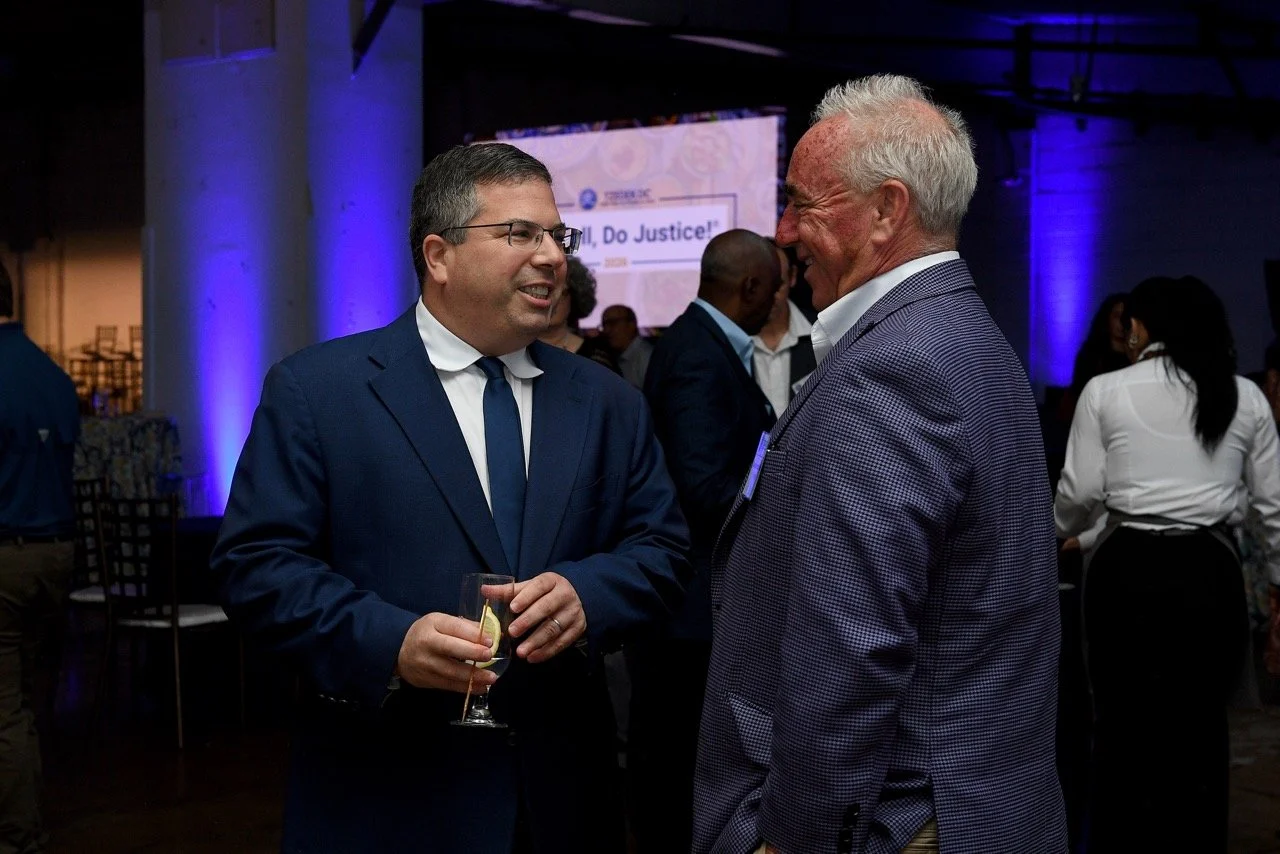
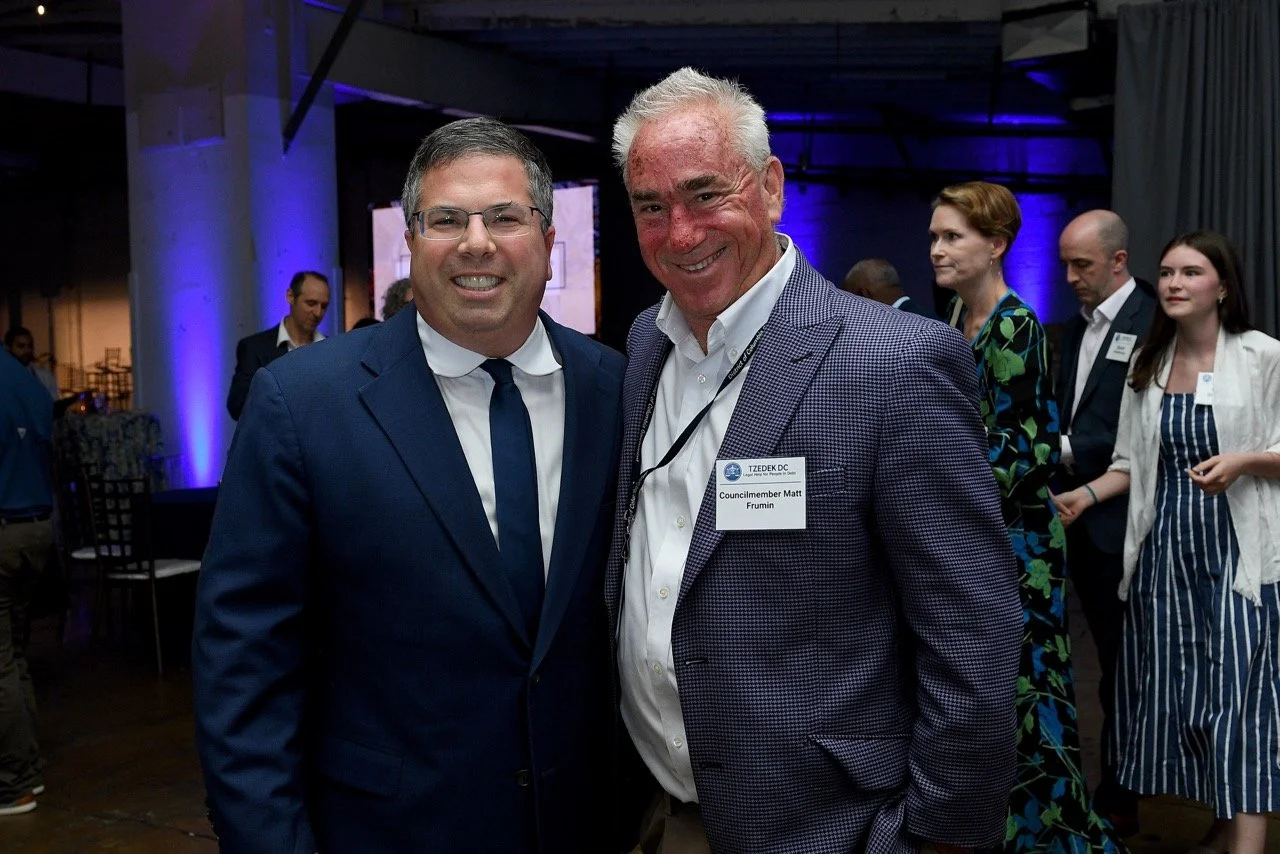
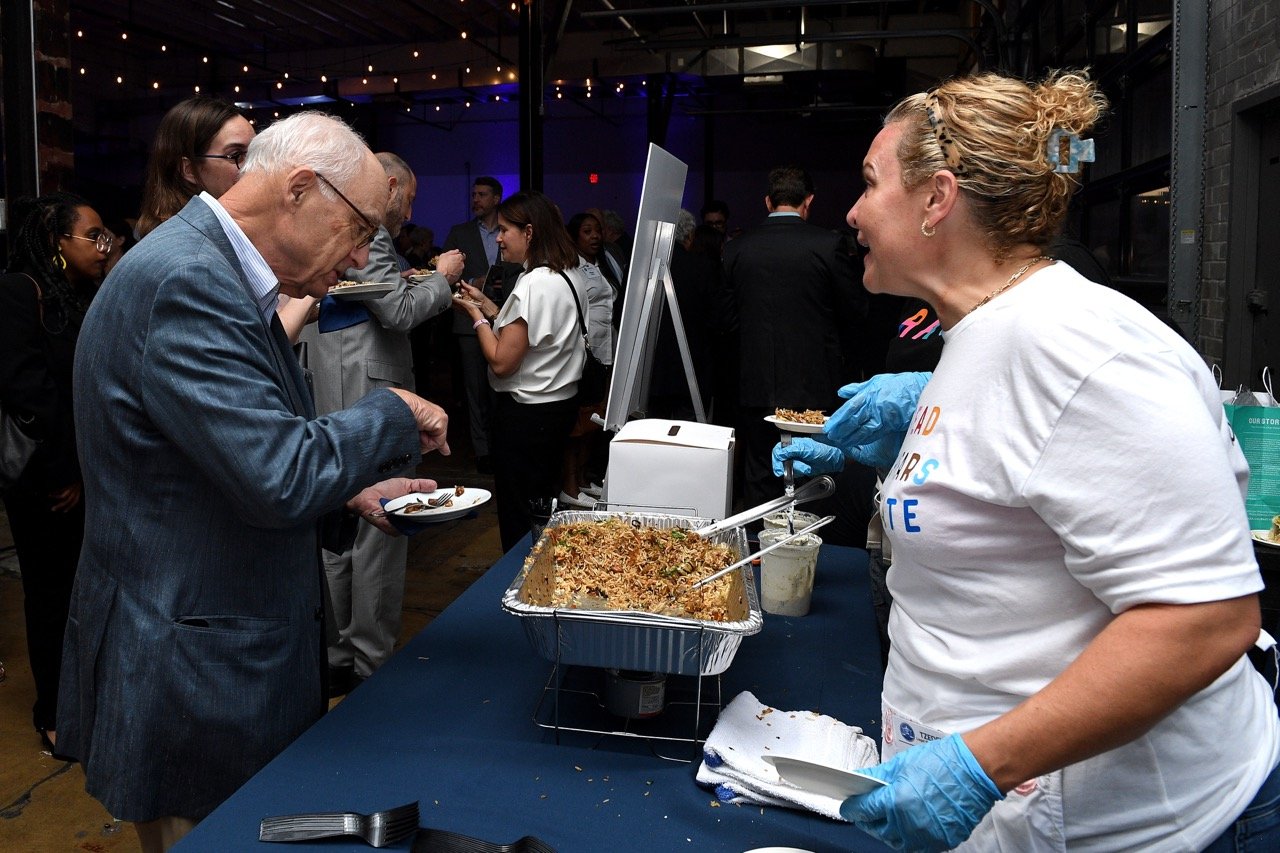
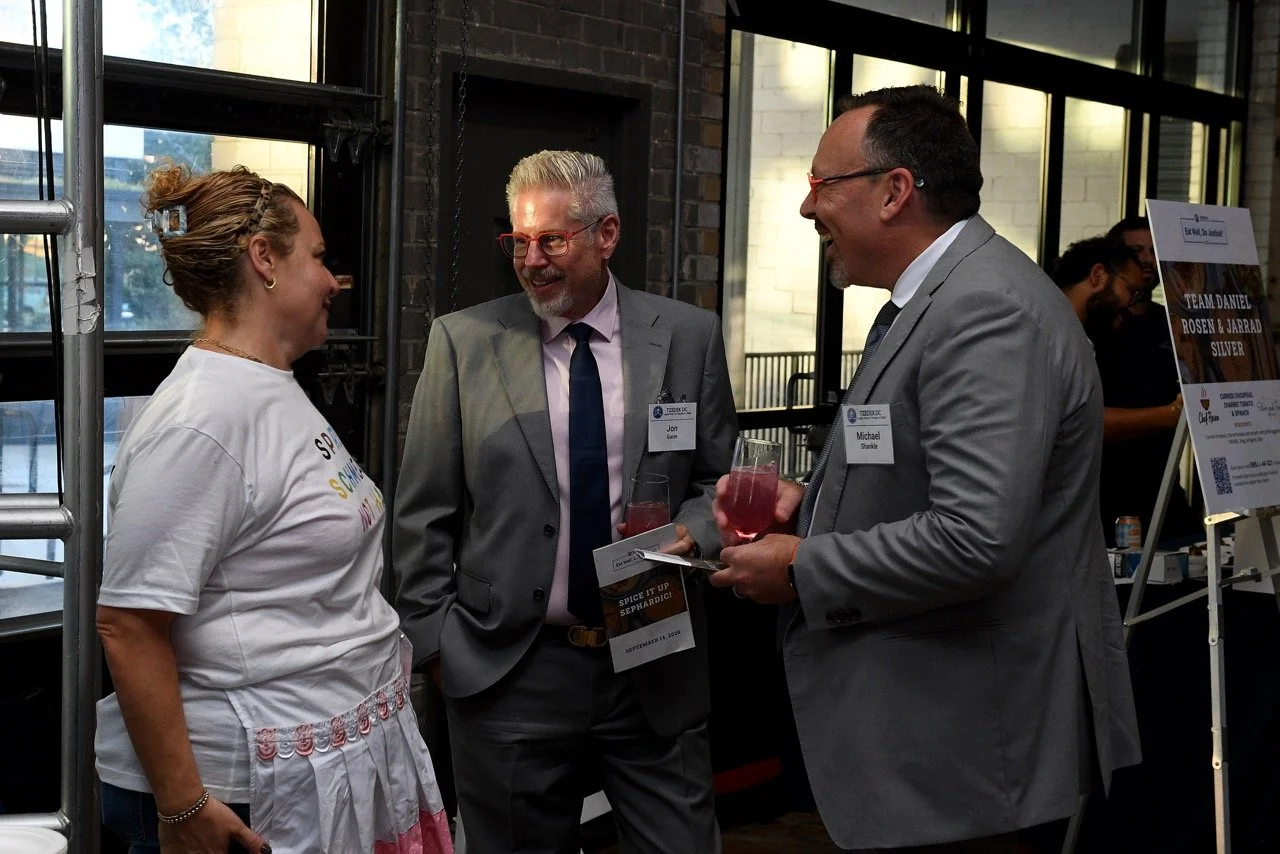
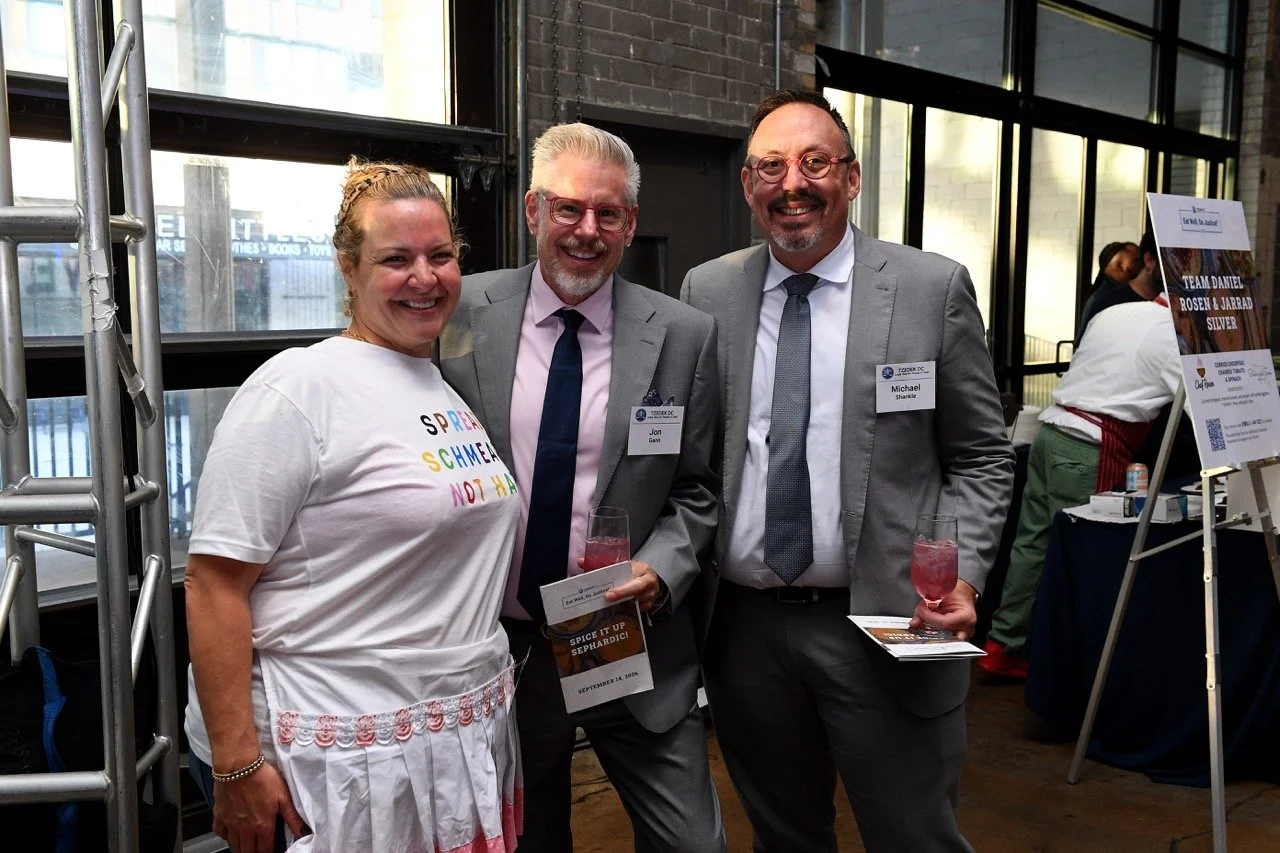
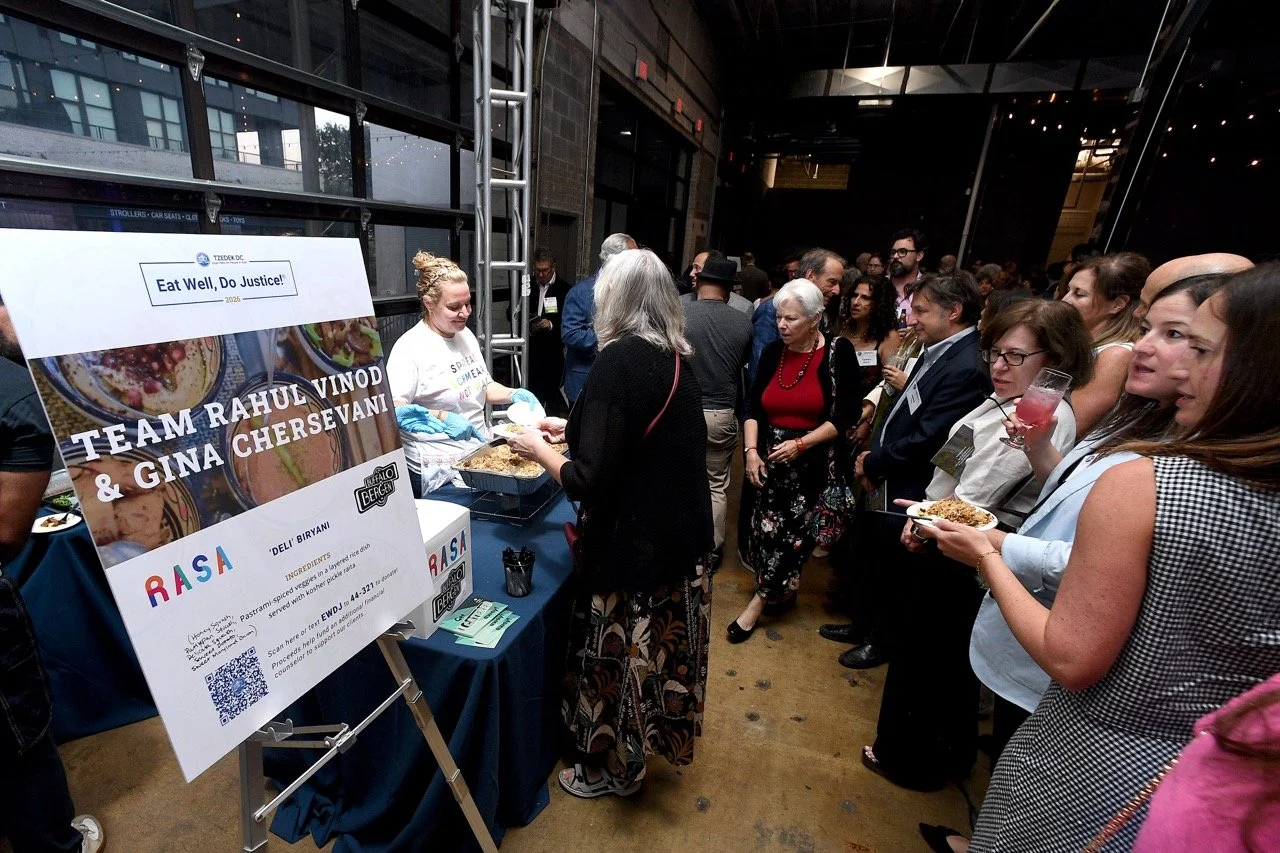
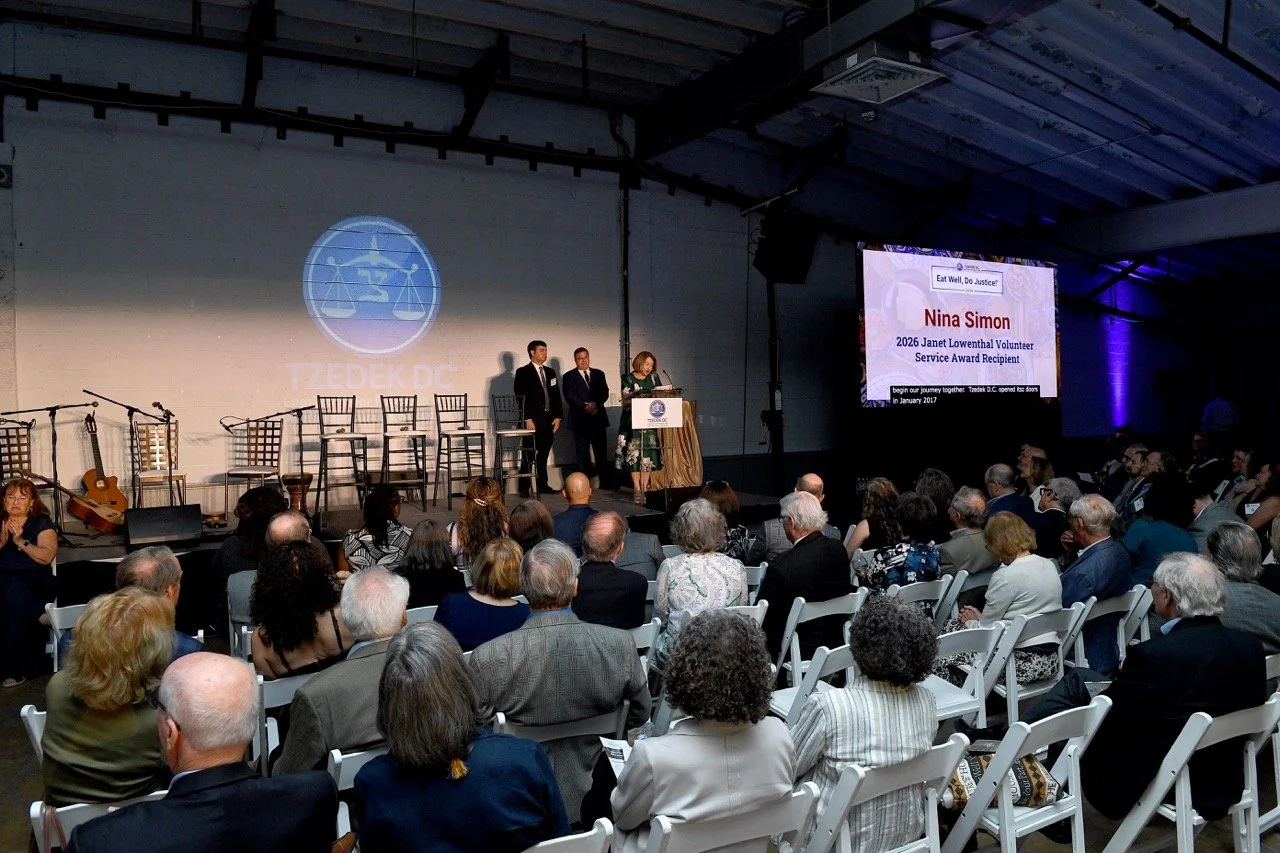
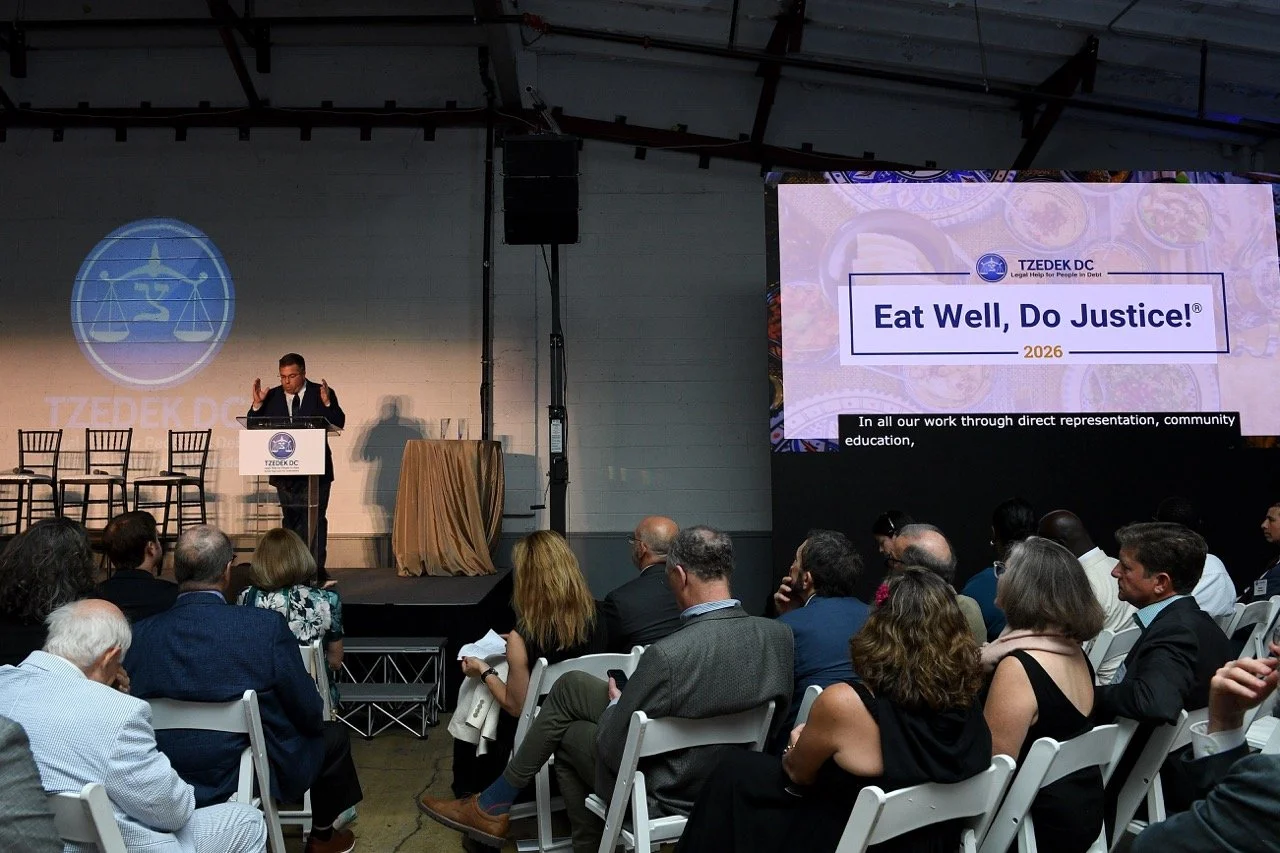
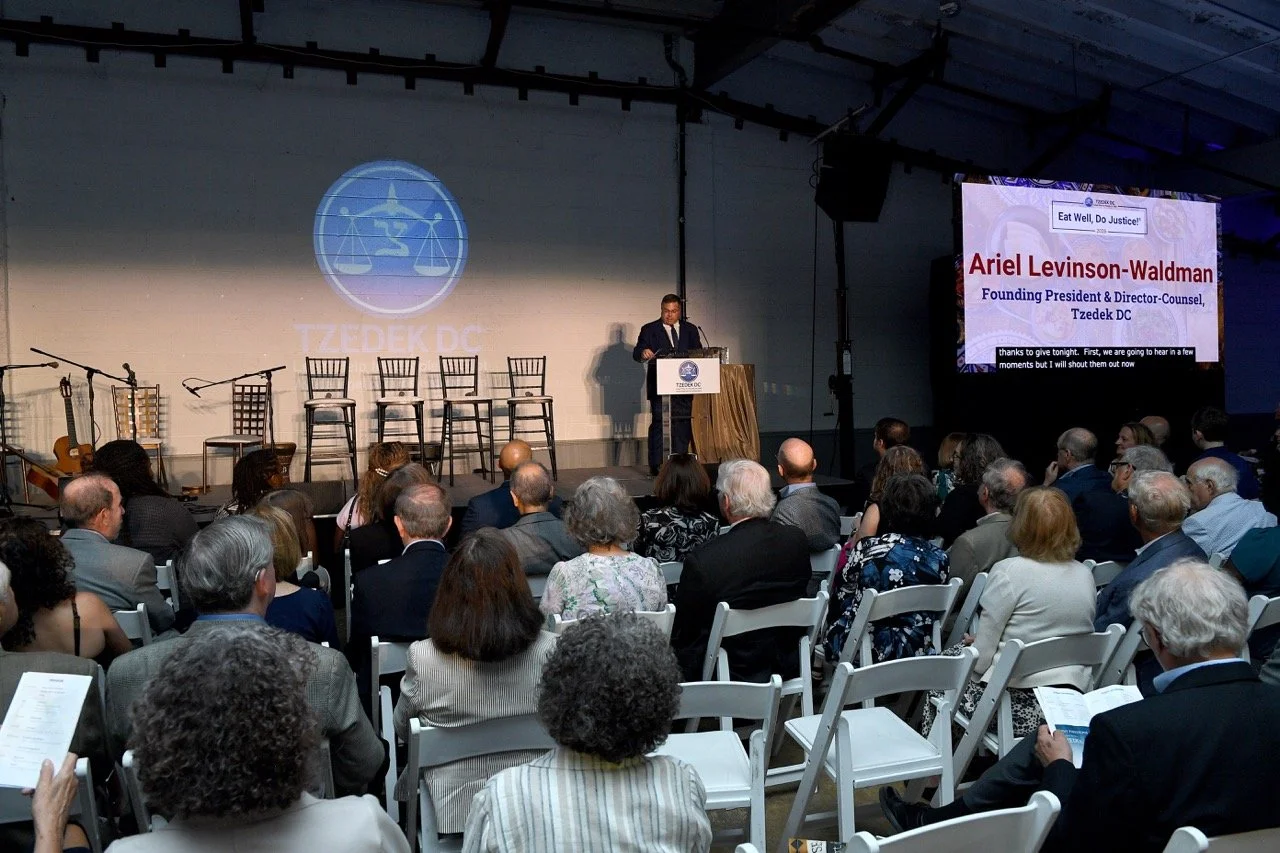
2025 Eat Well, Do Justice!® Recap

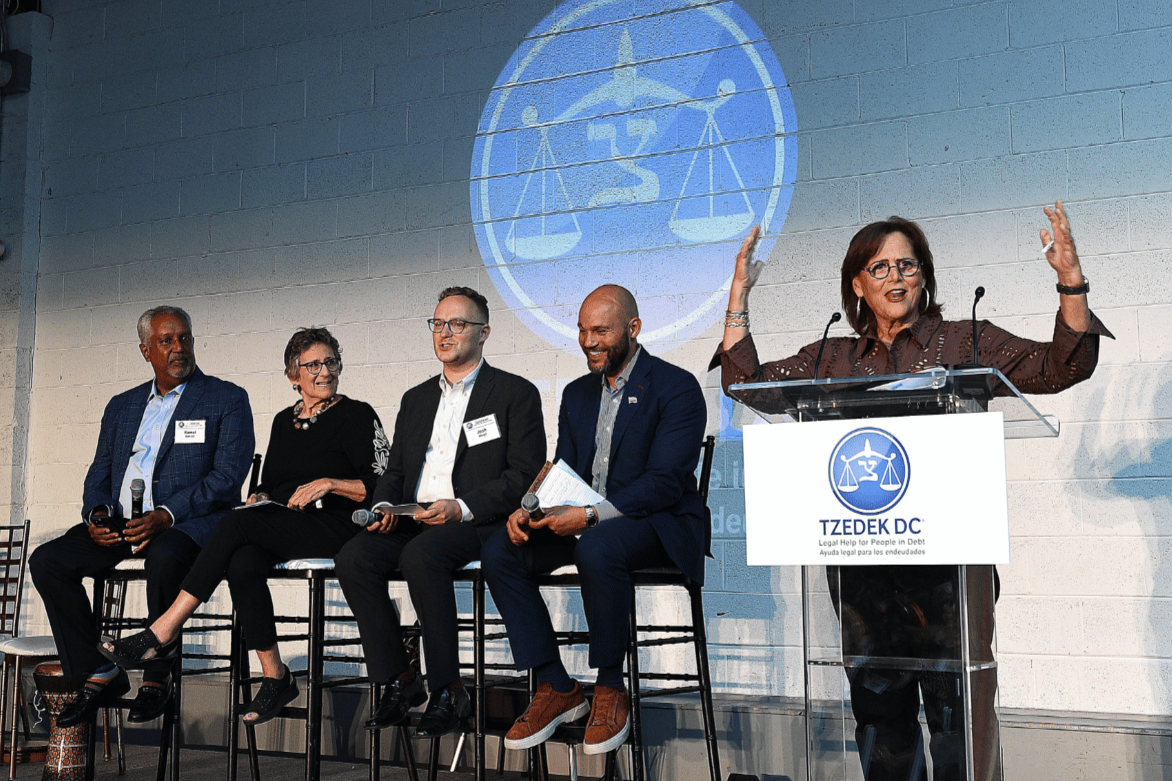
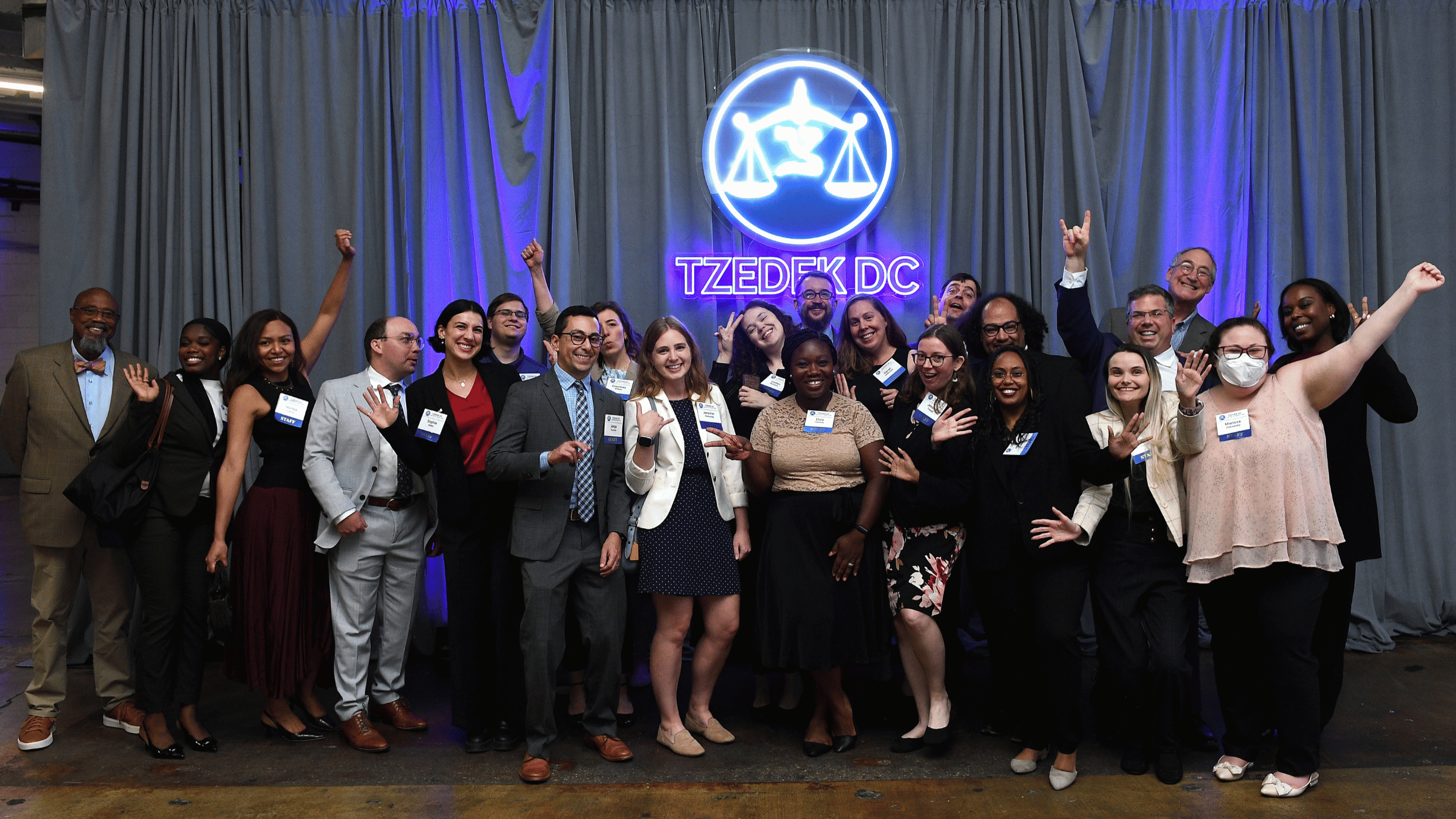
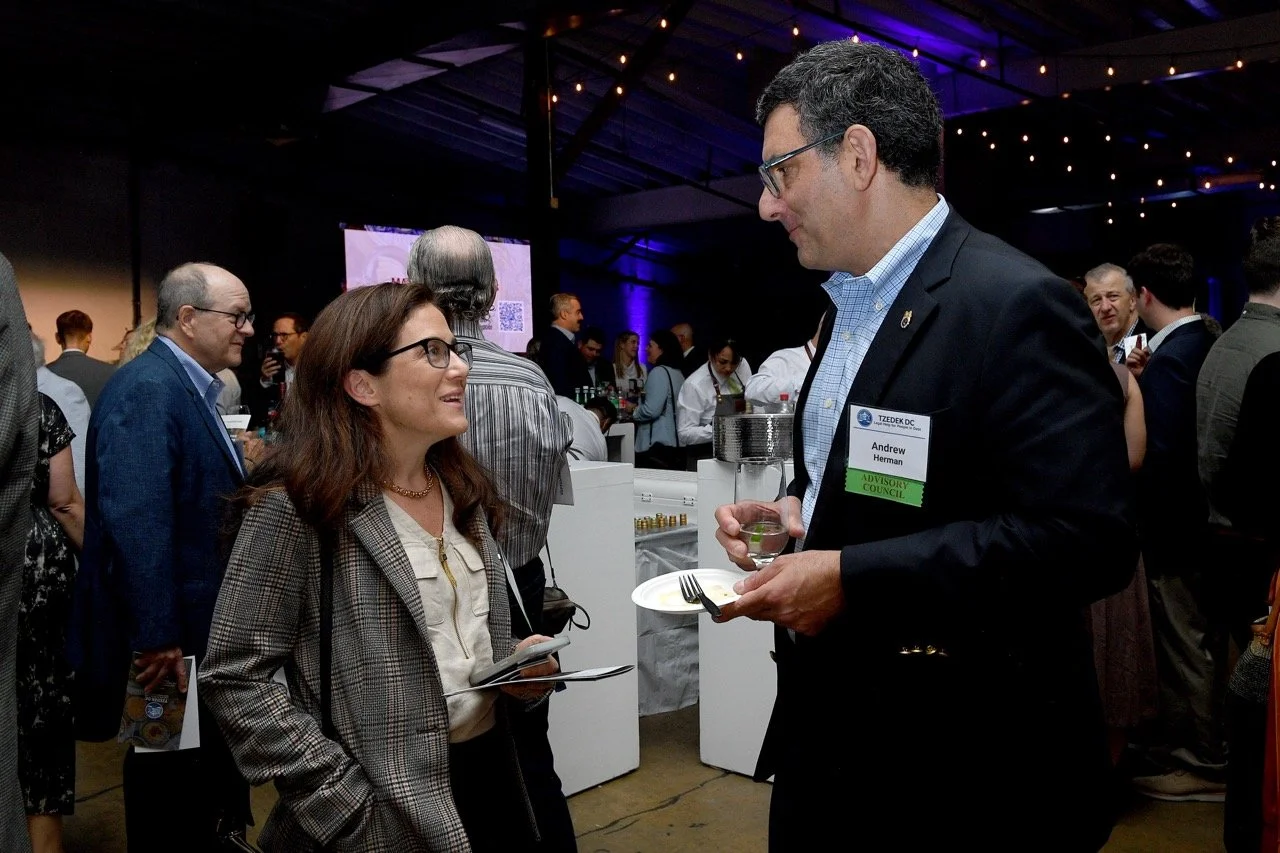
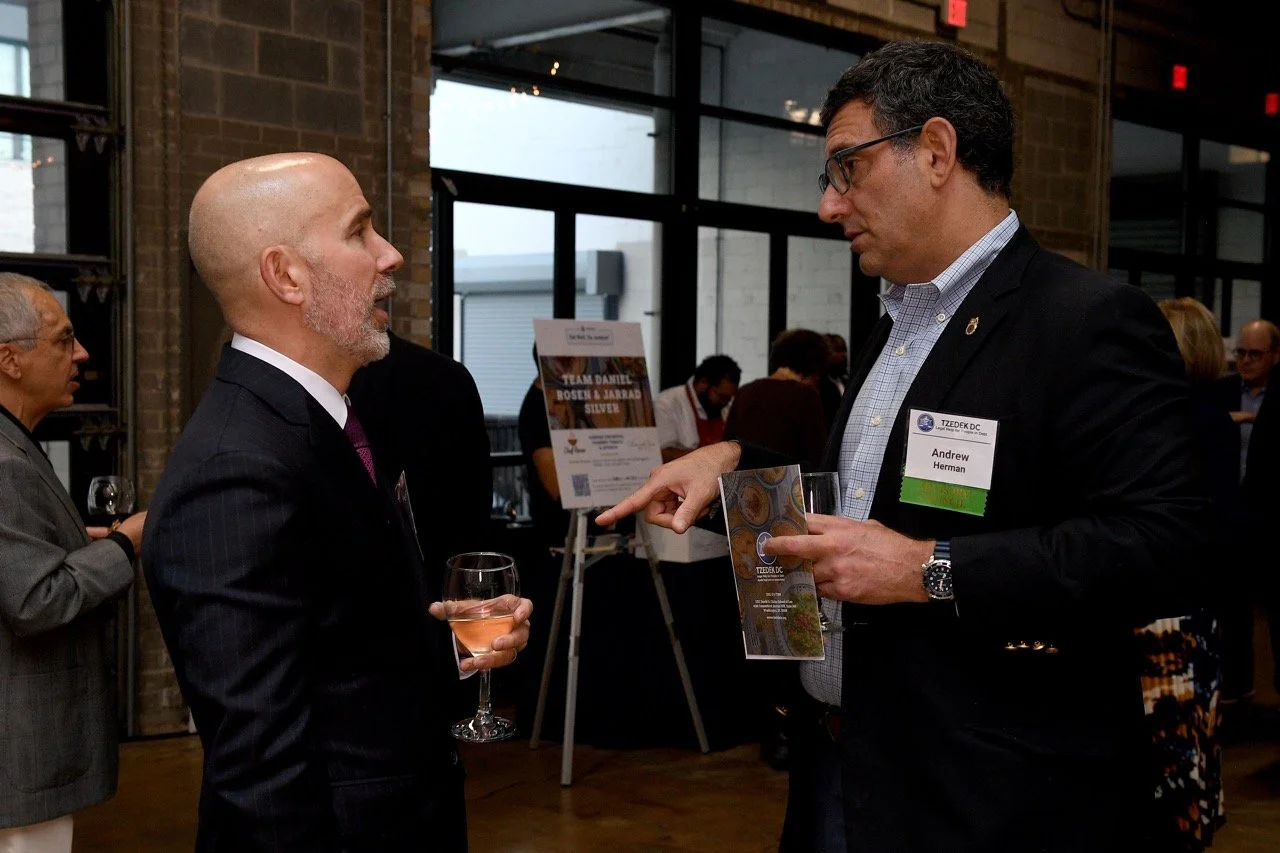
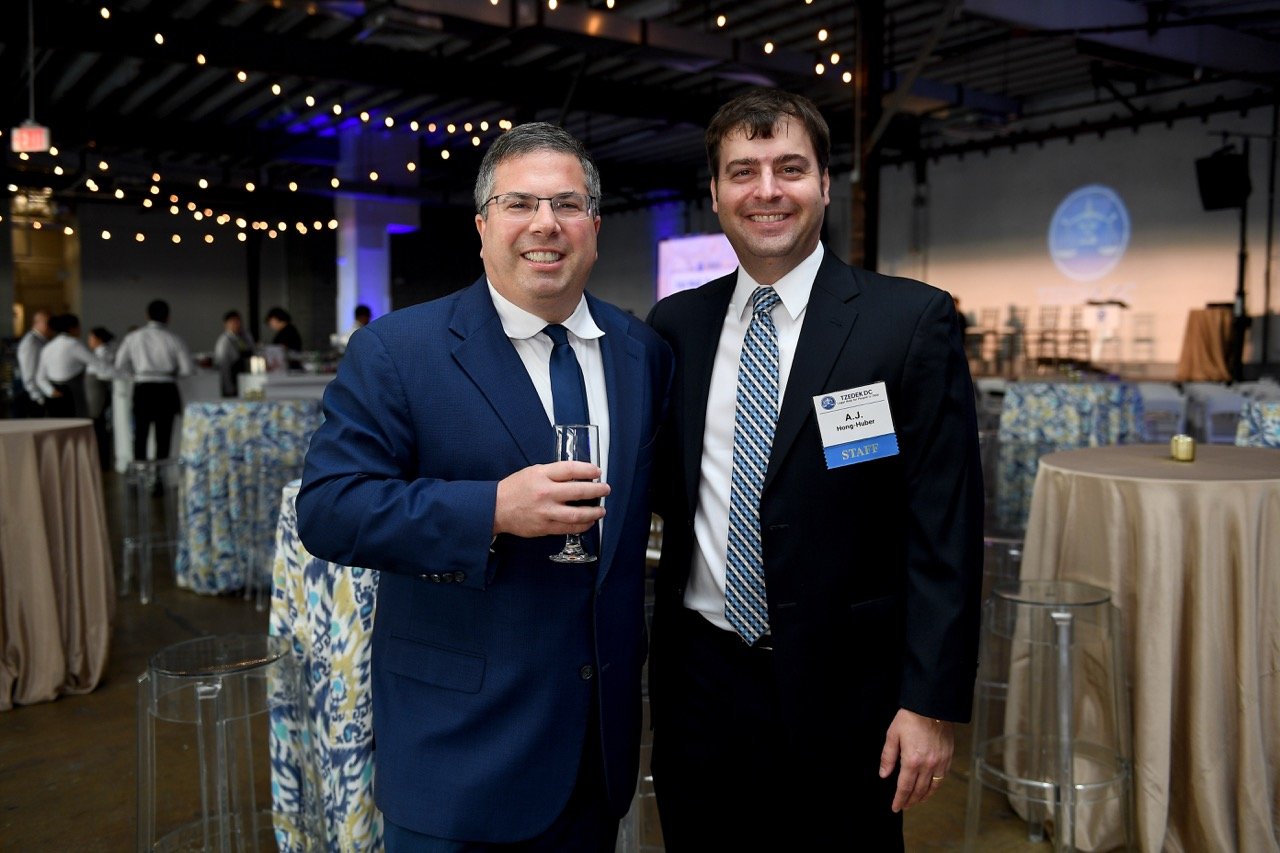
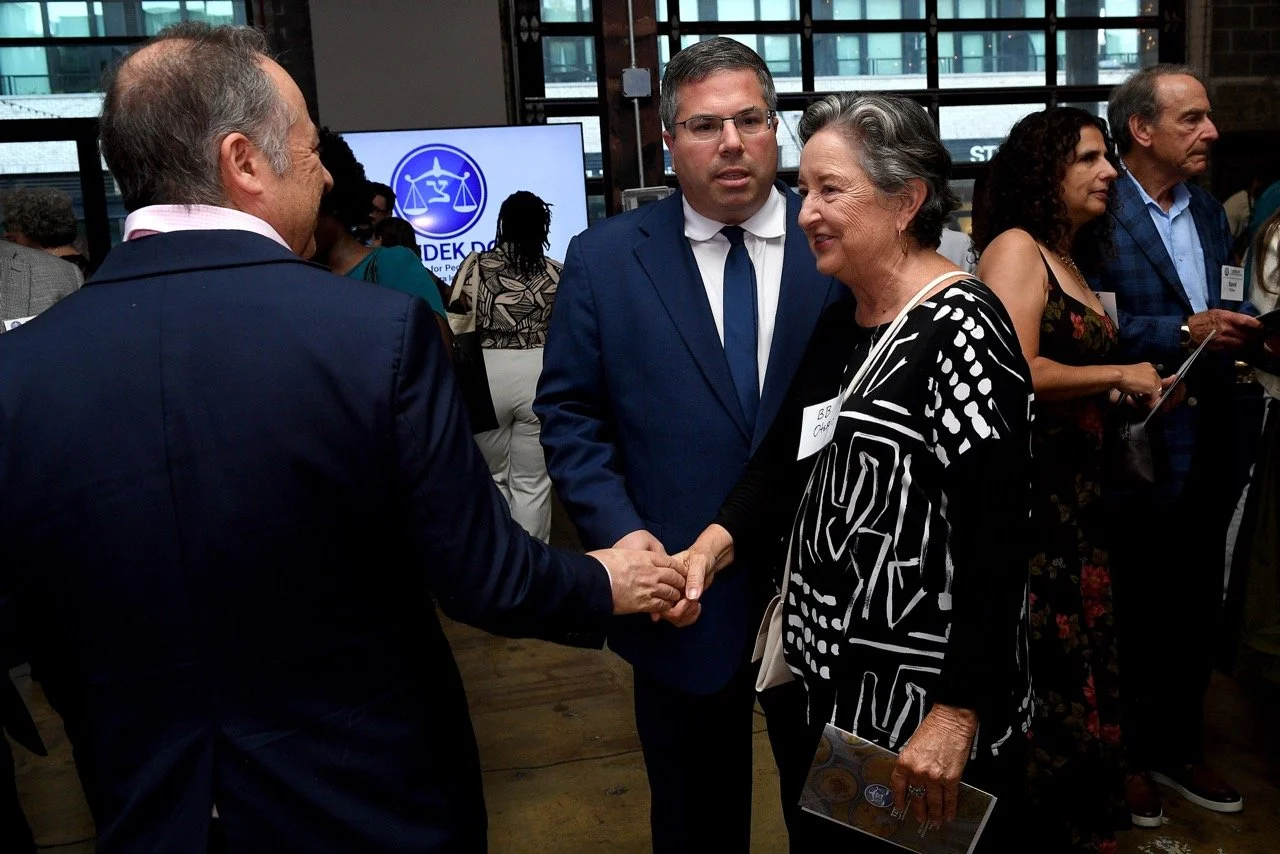
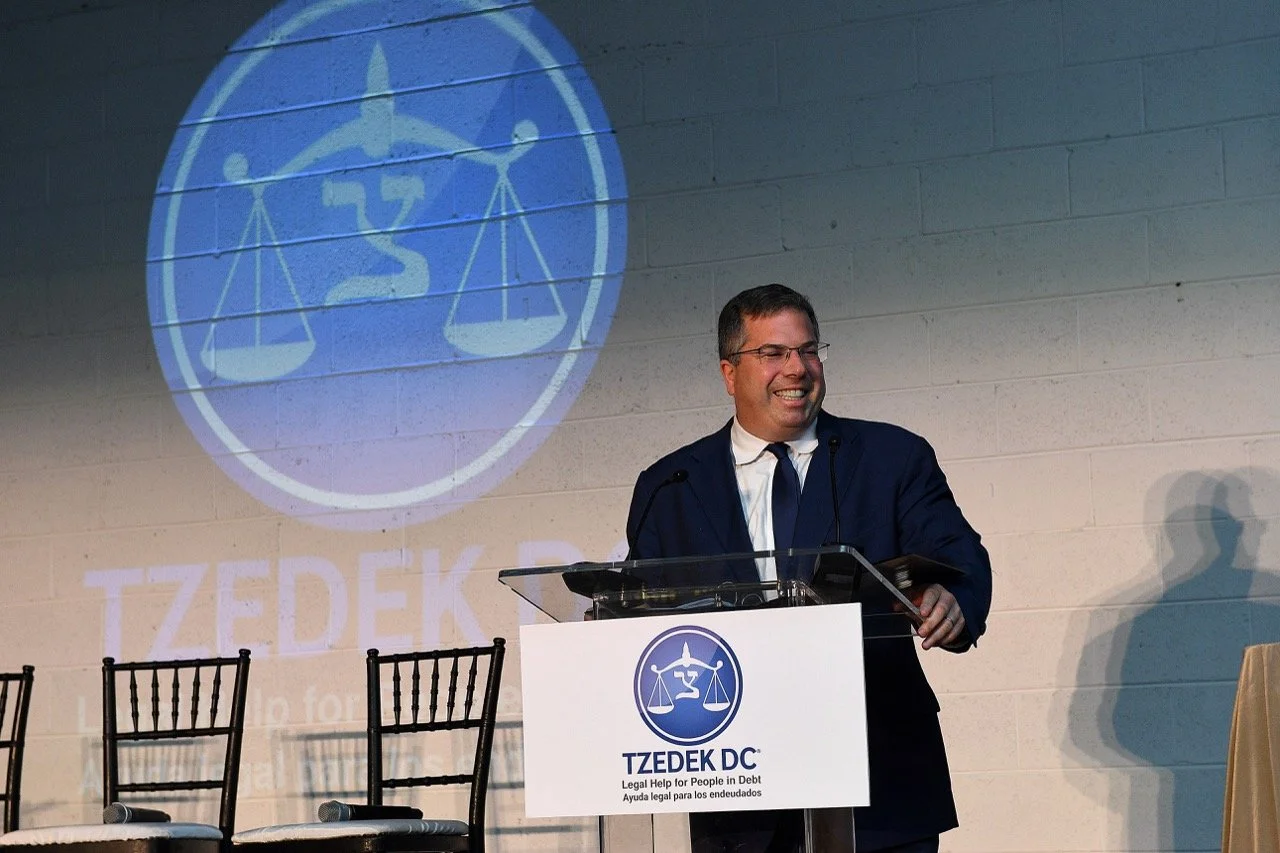
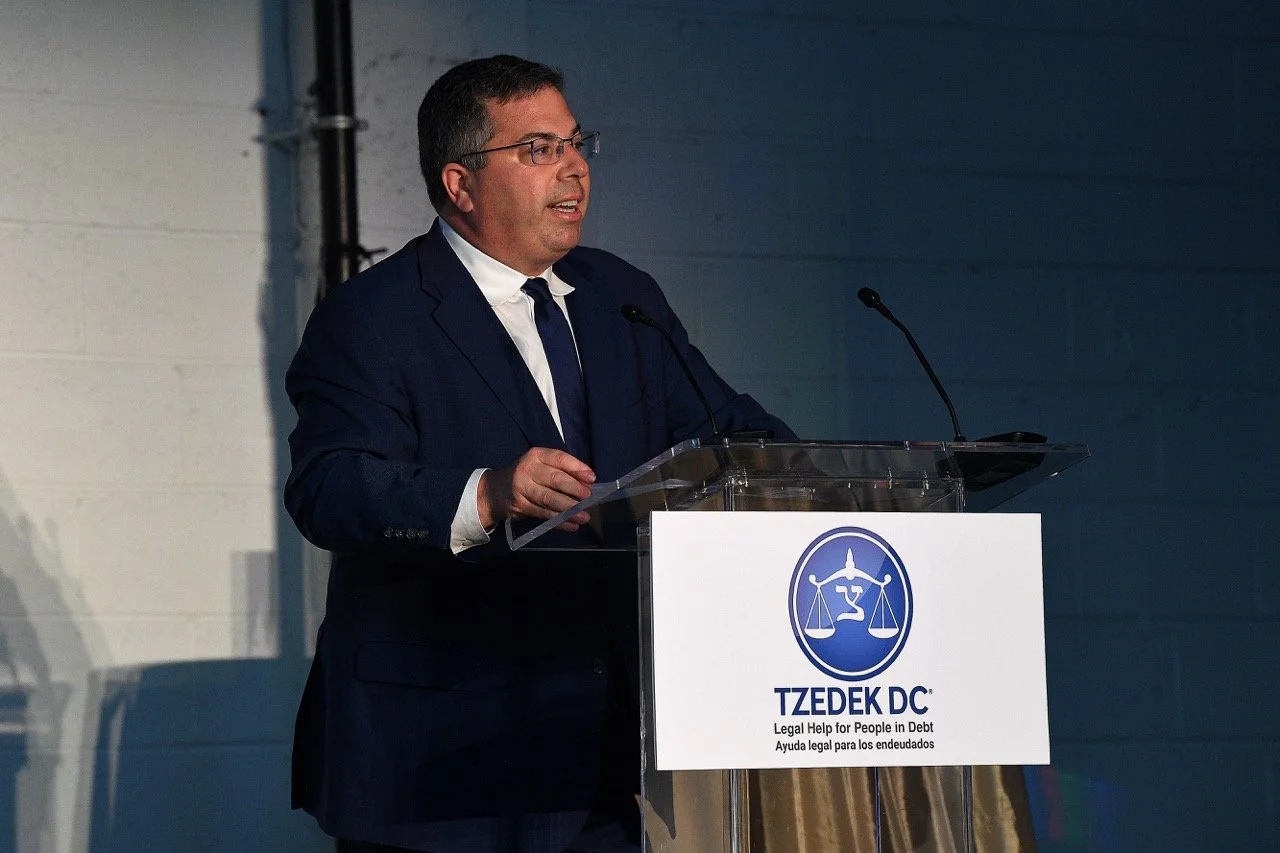
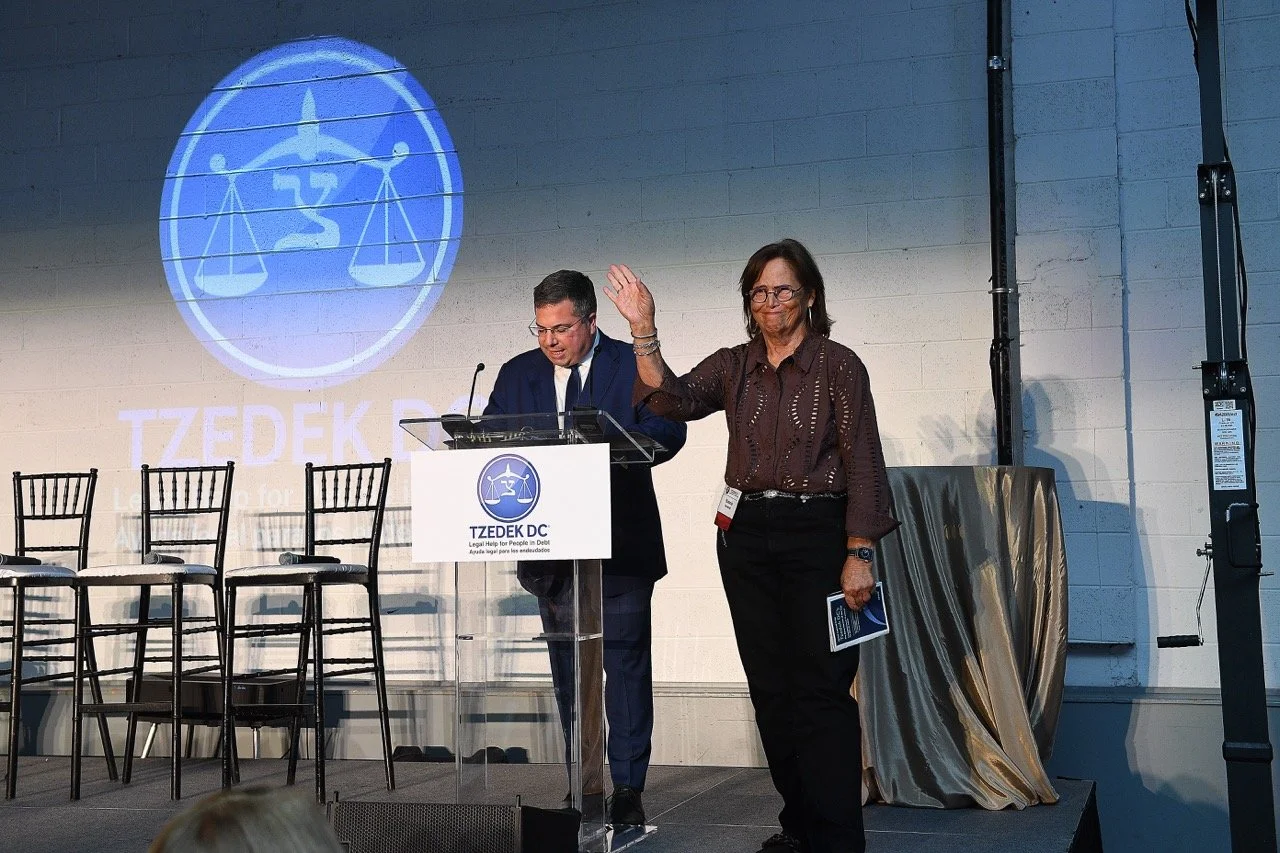
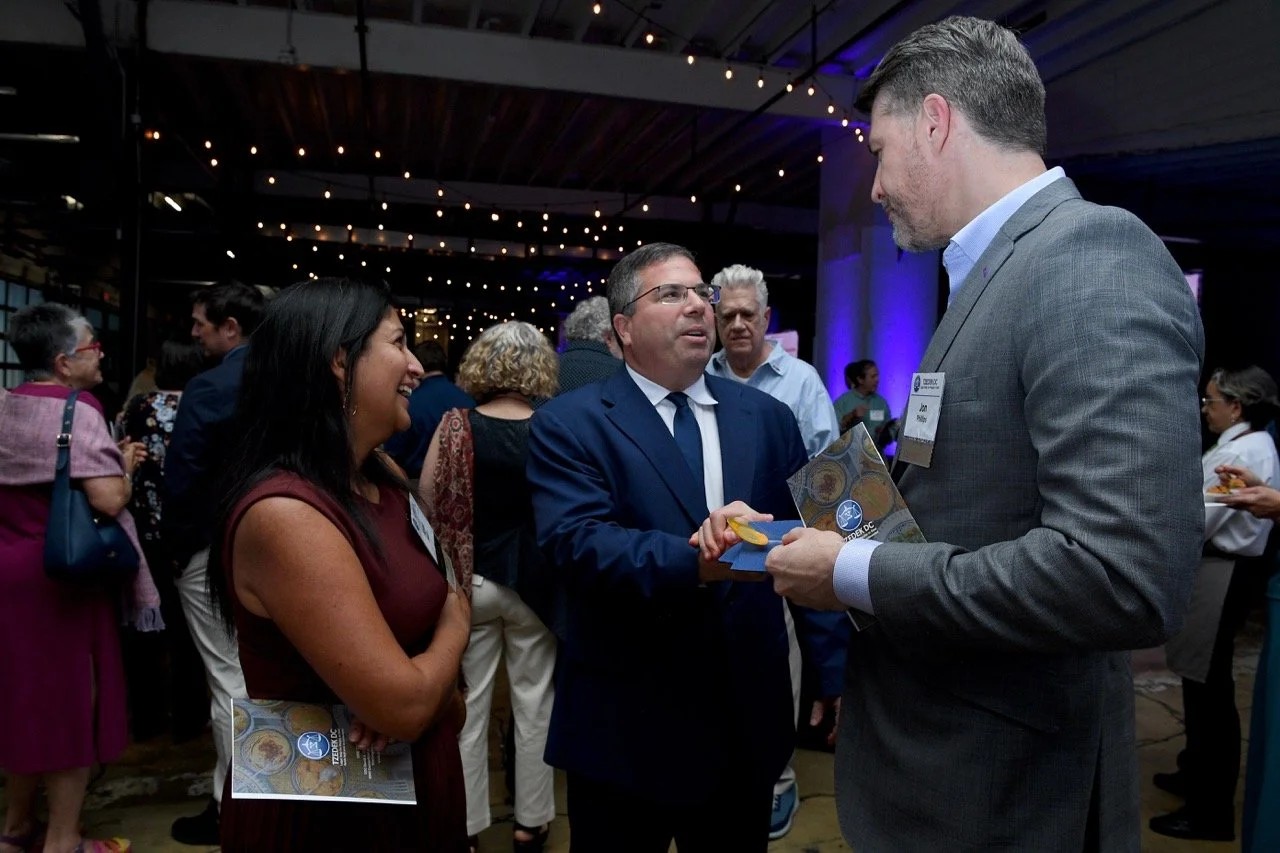
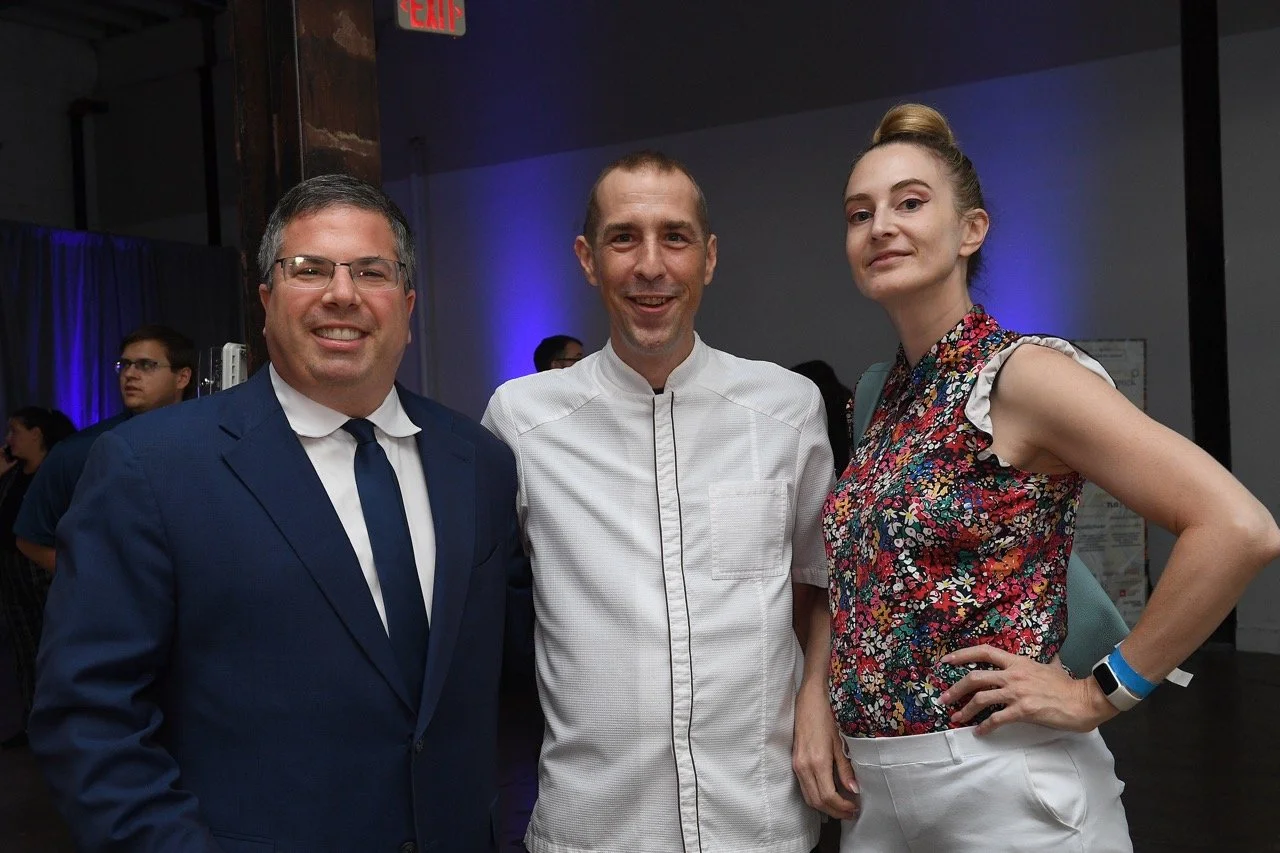
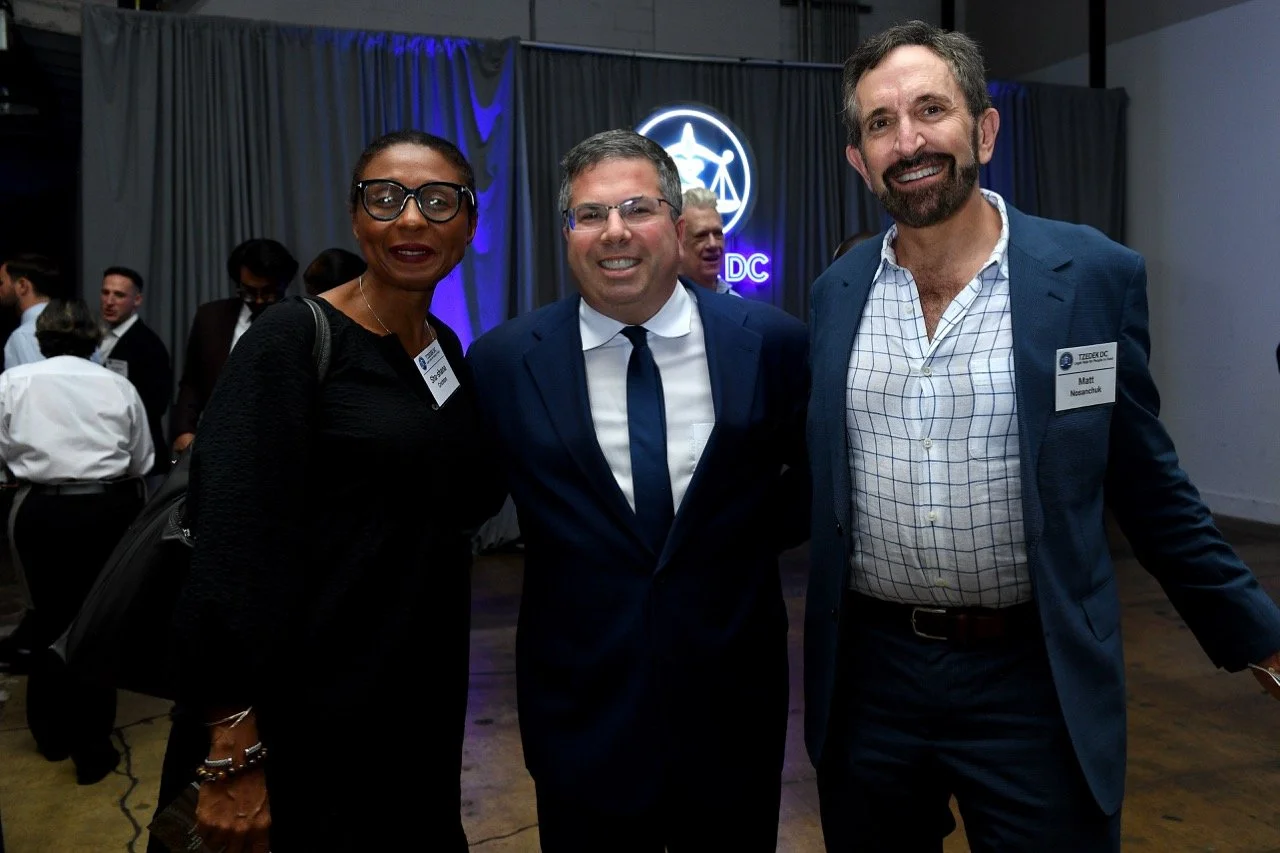
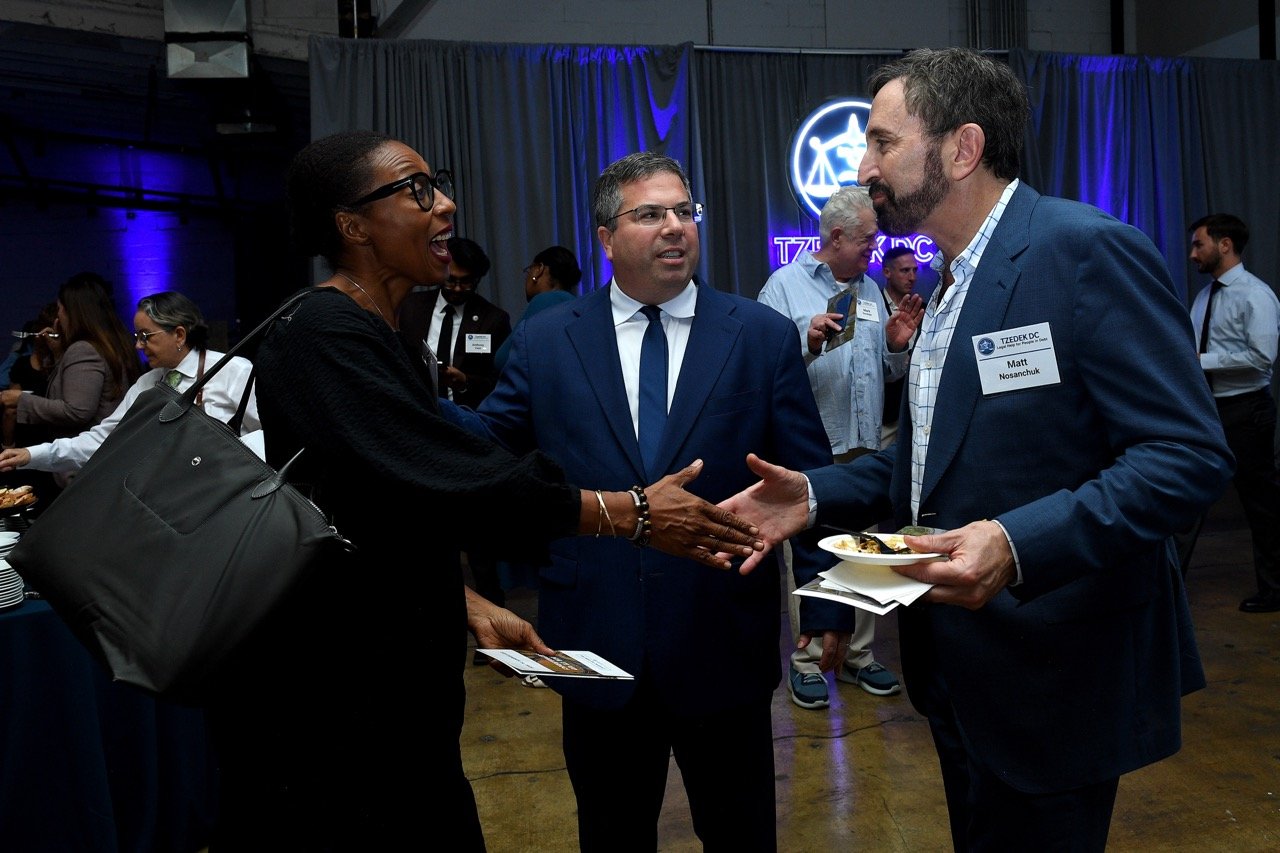
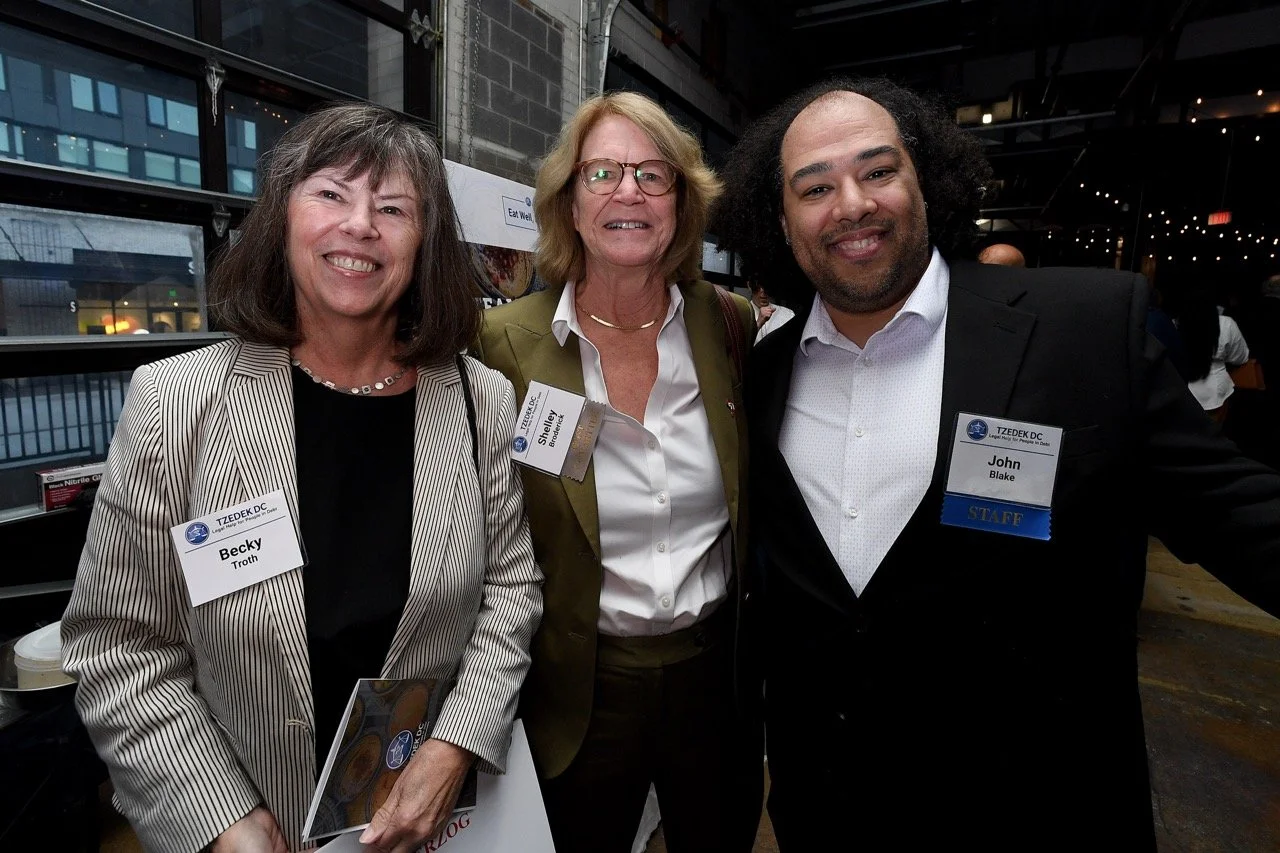
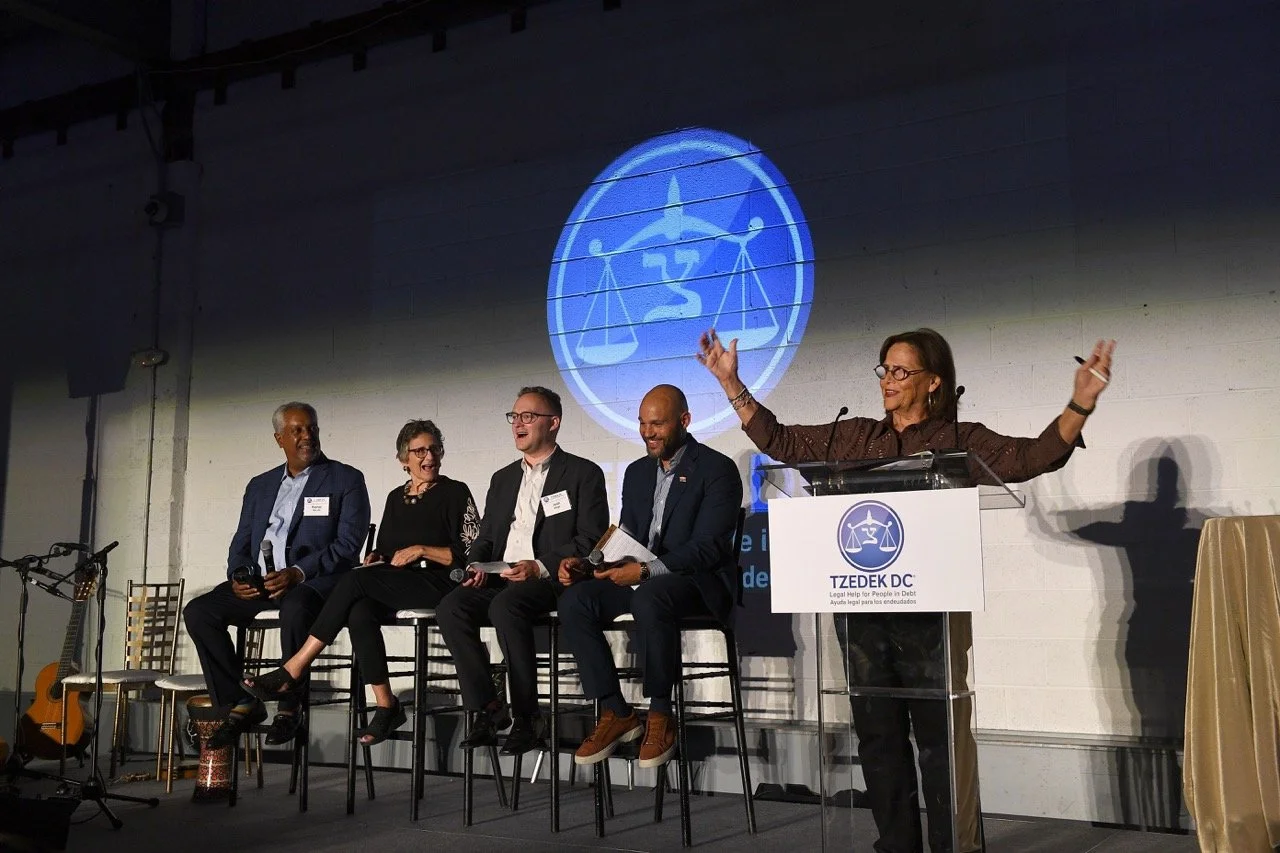
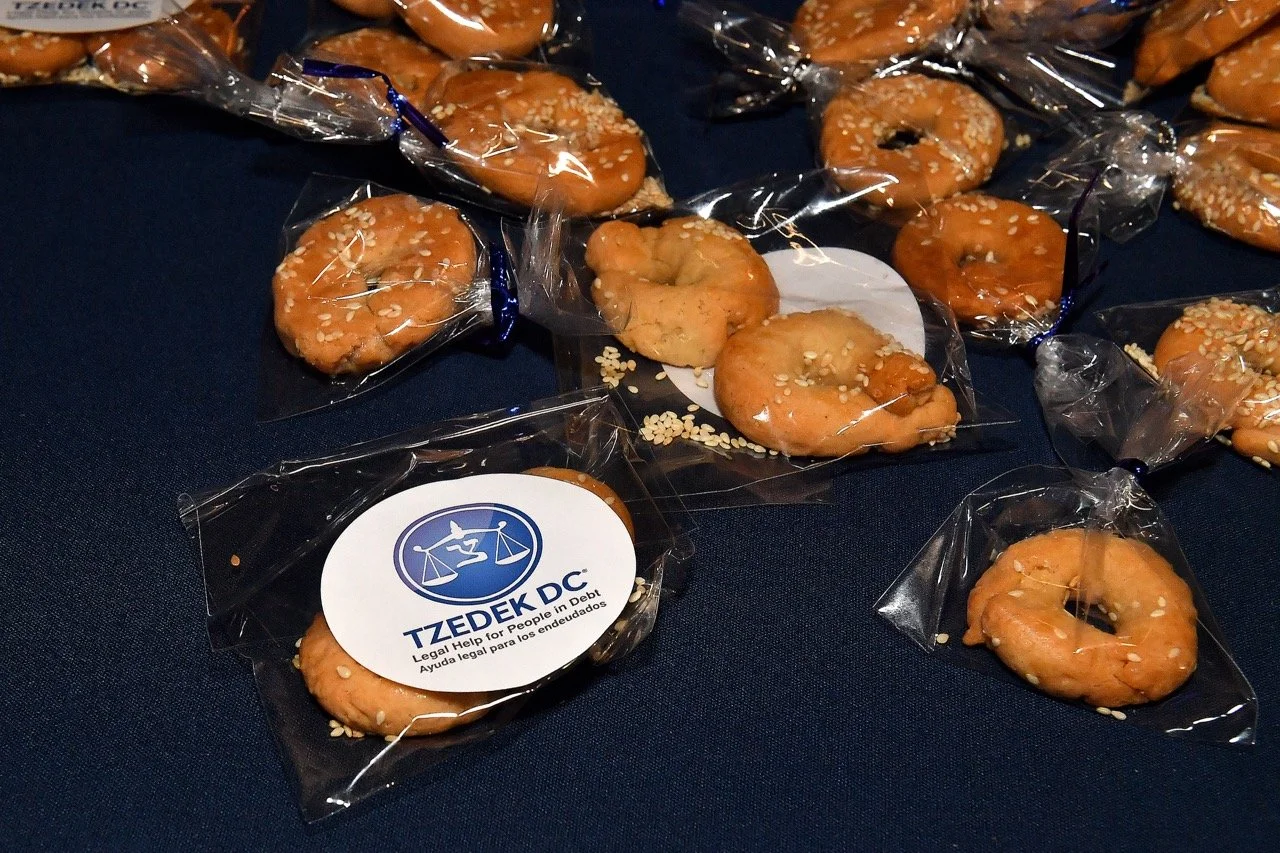
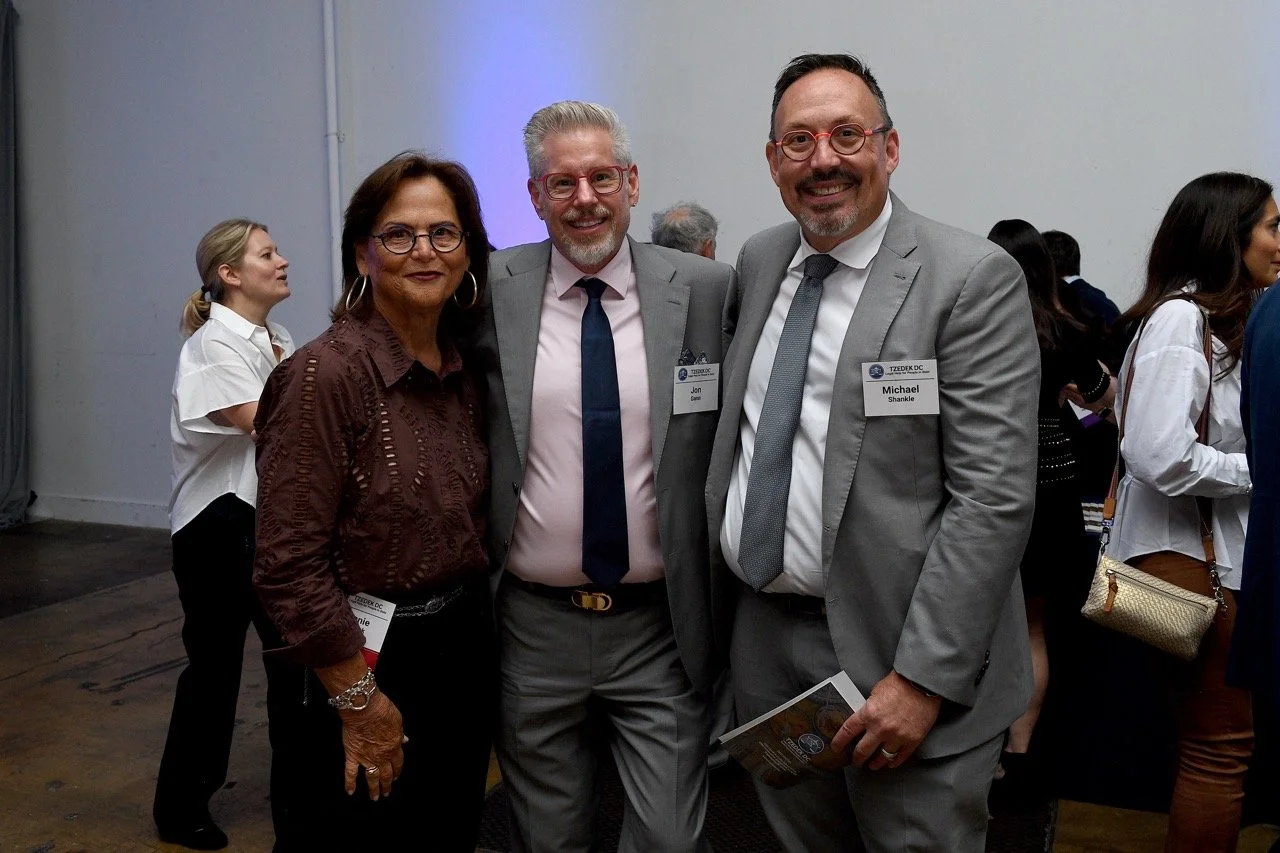
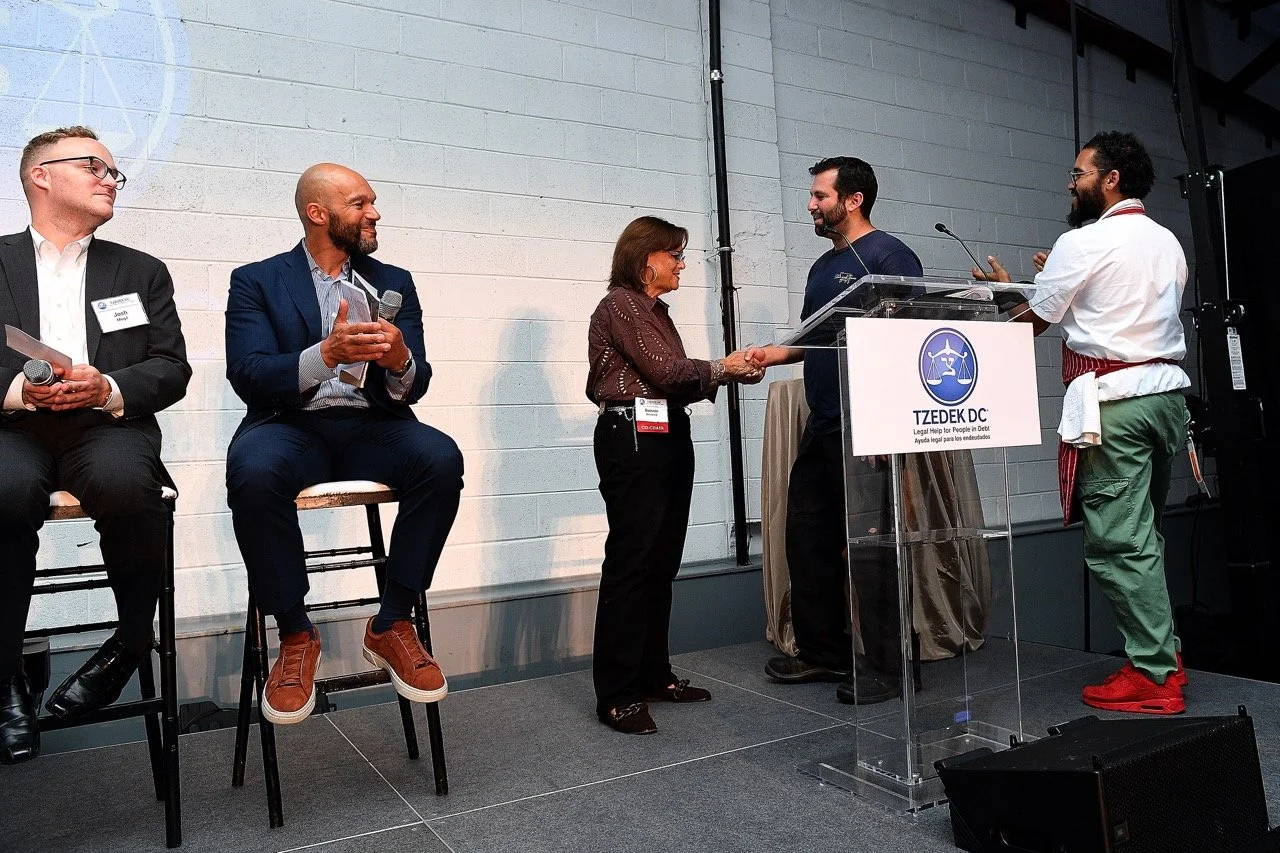
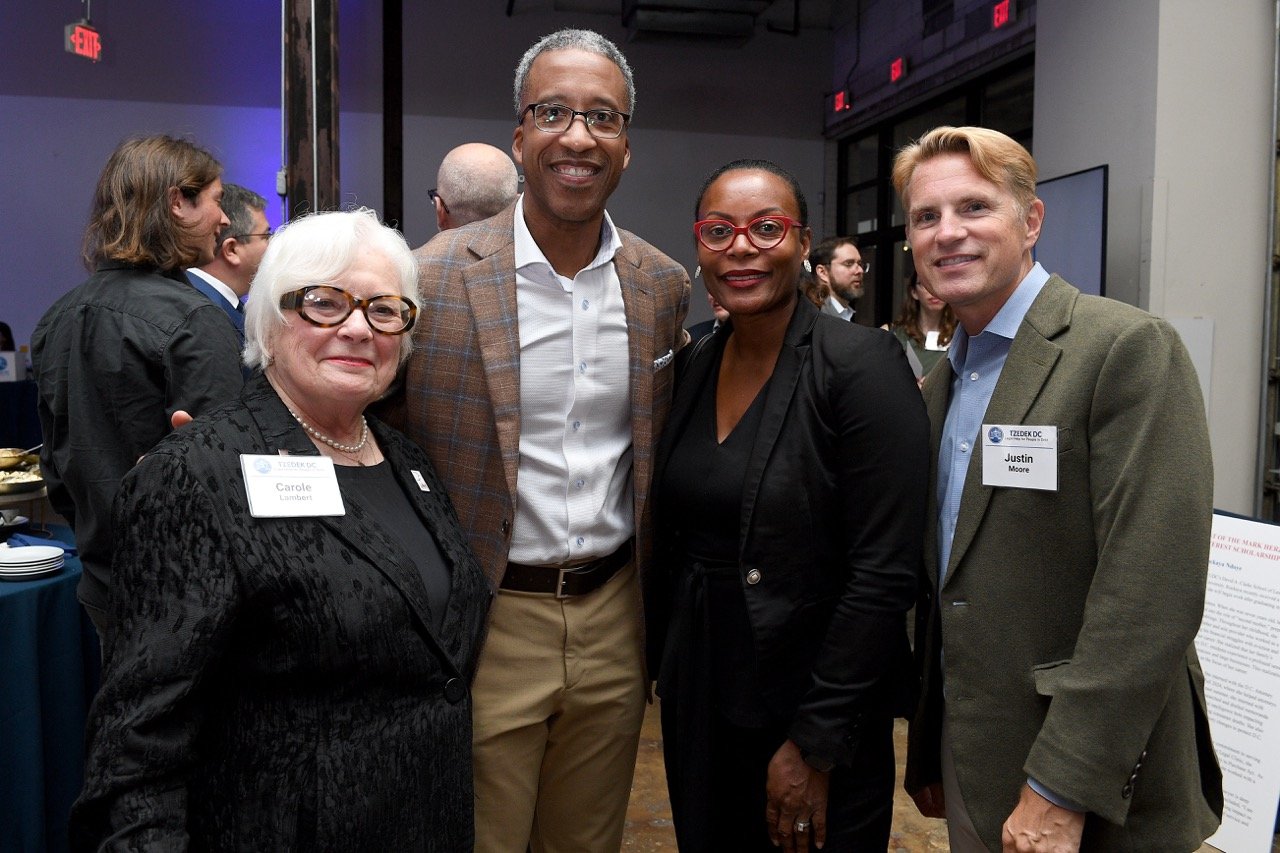
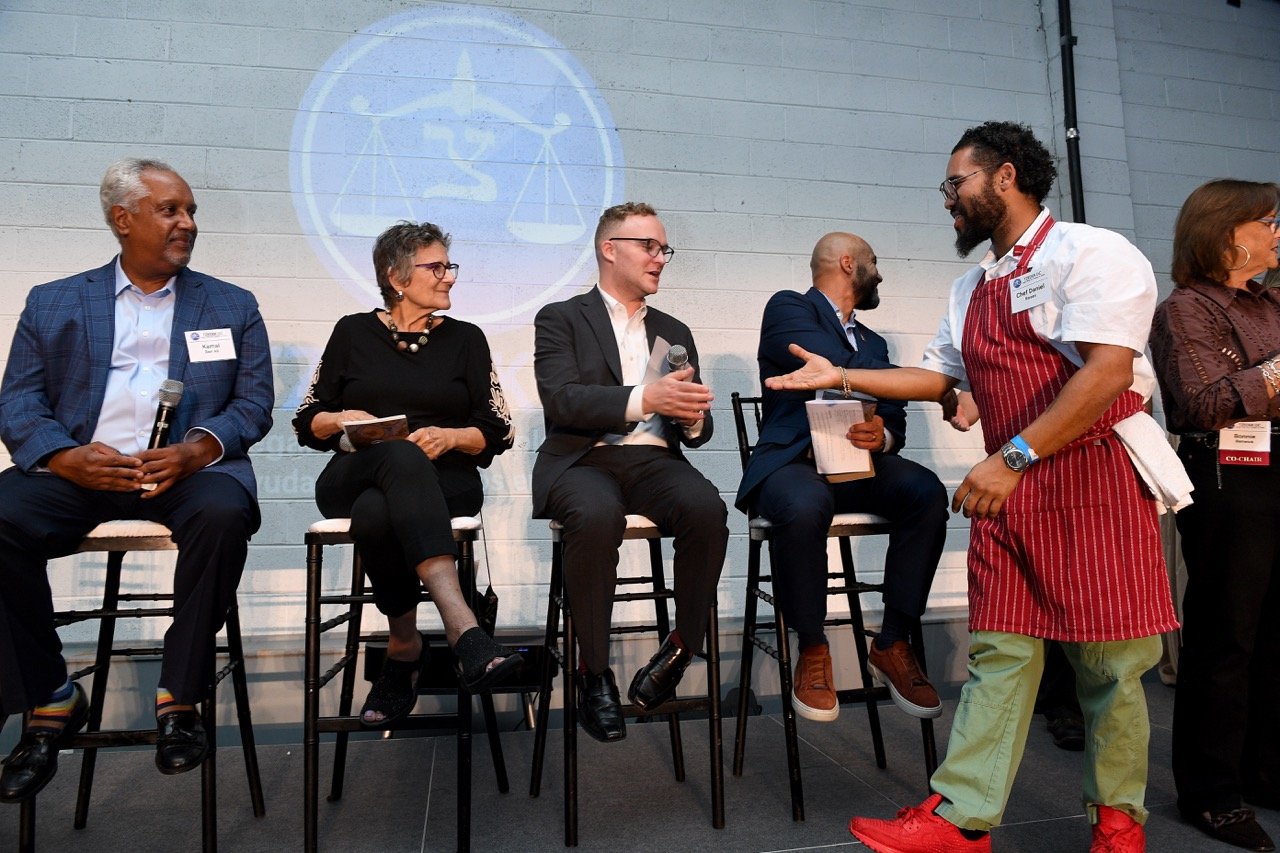
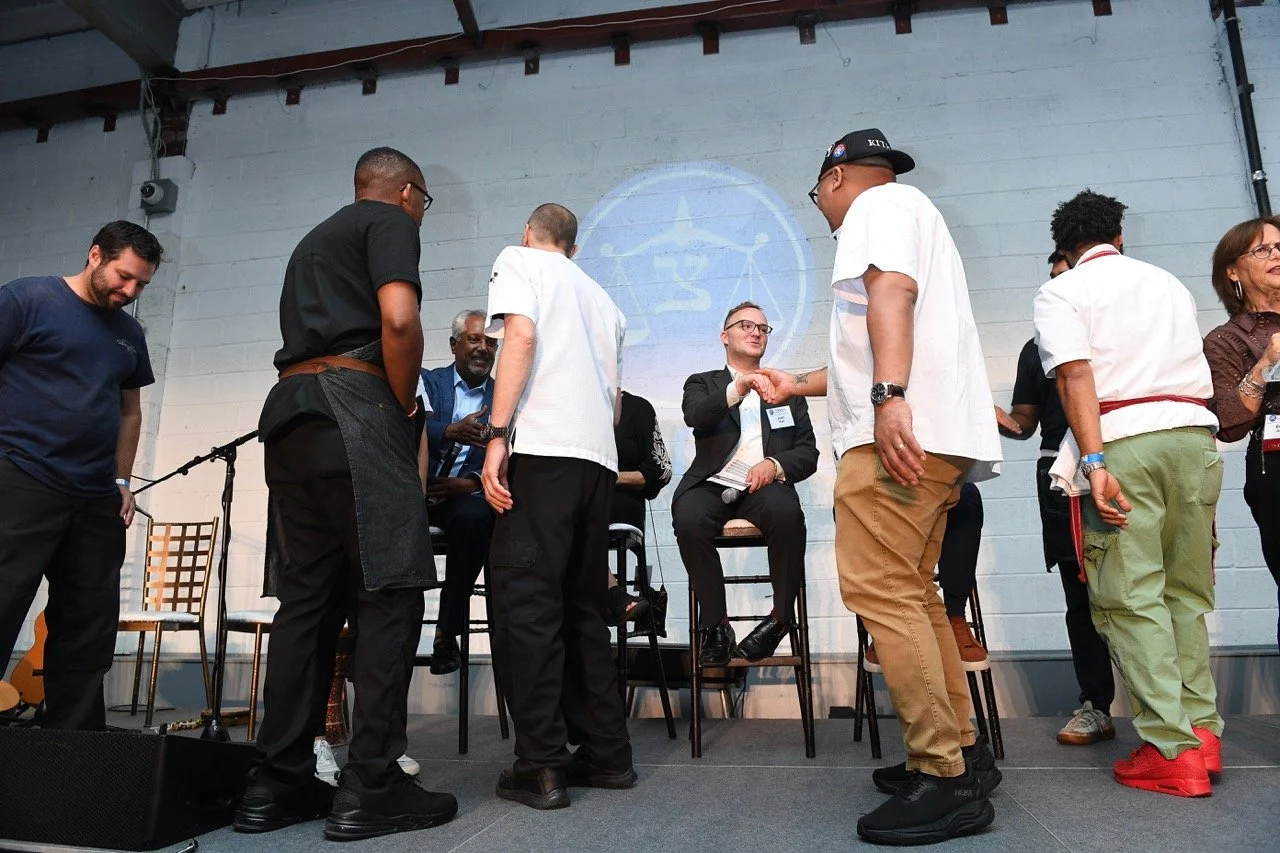
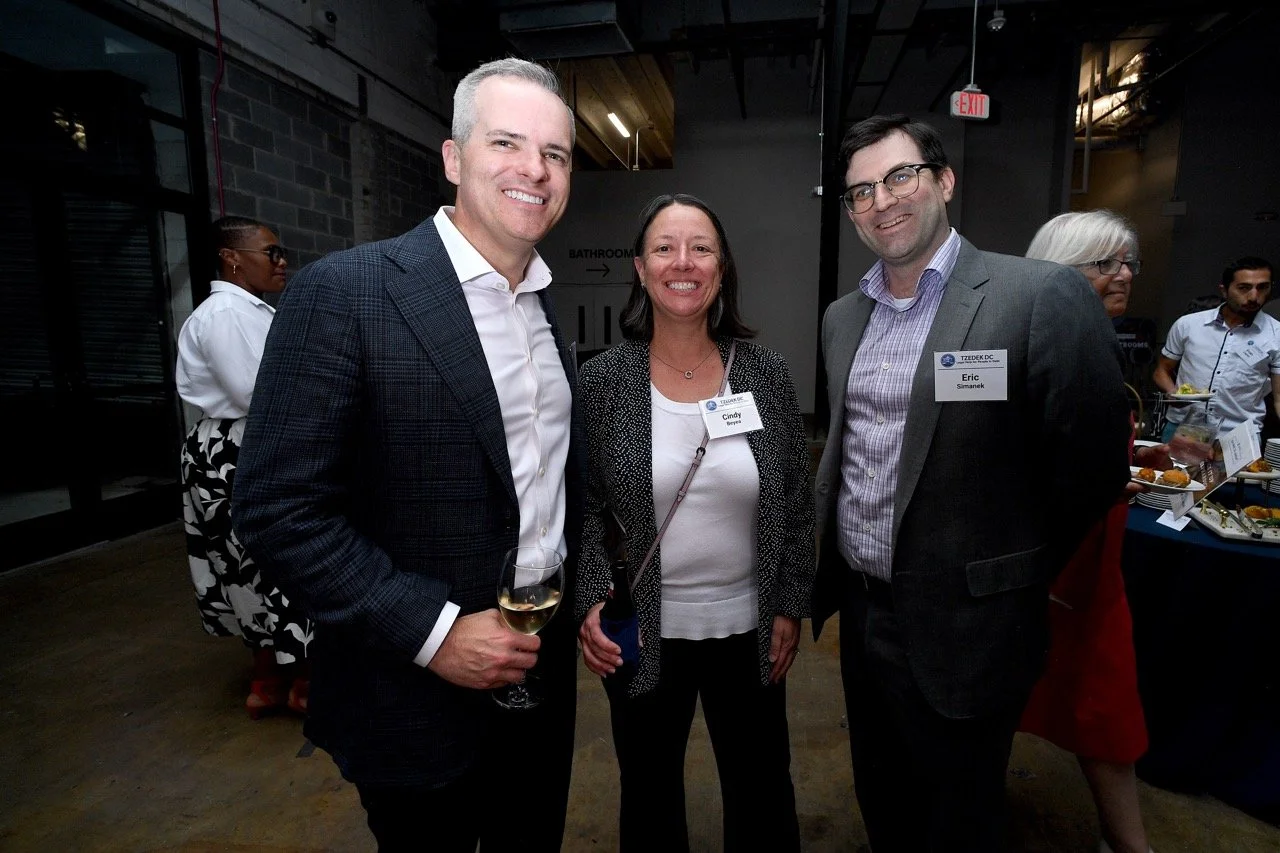
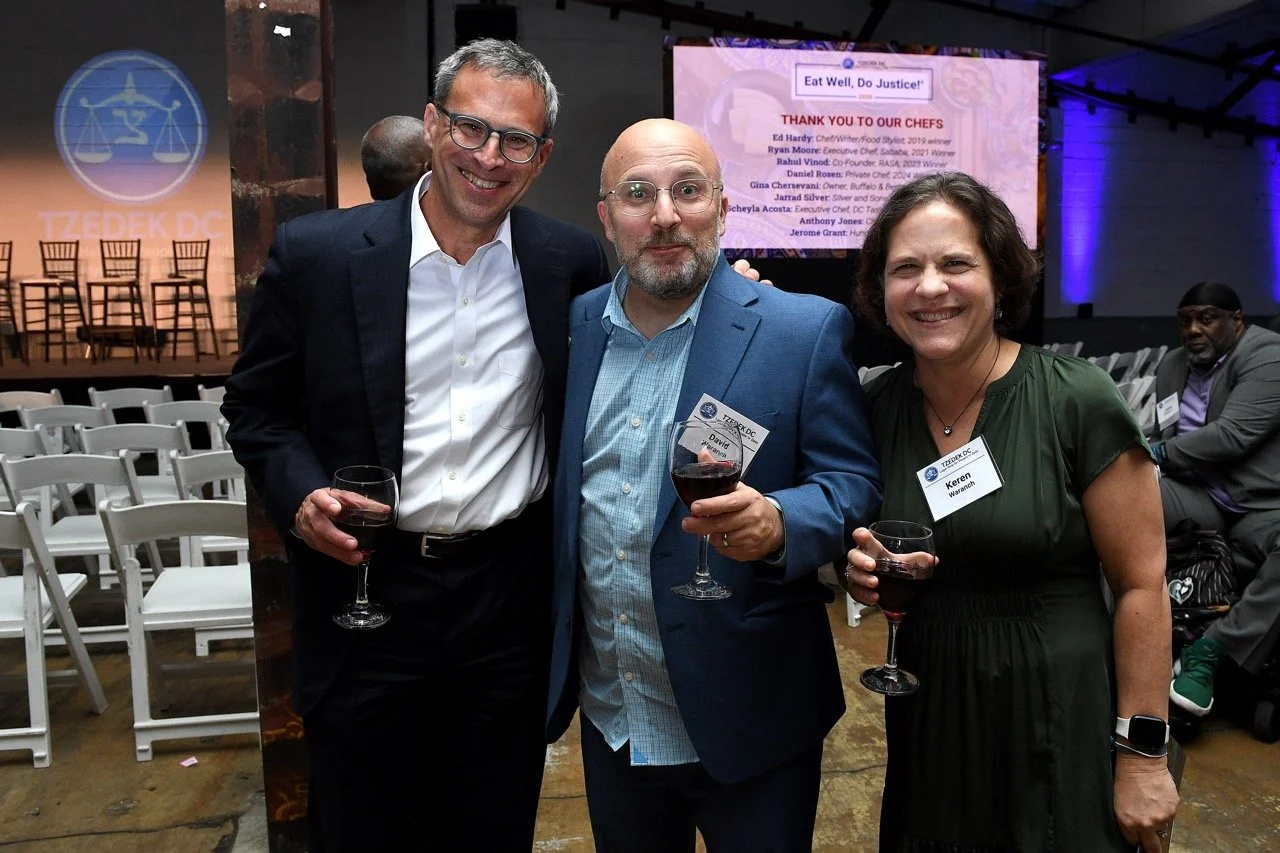
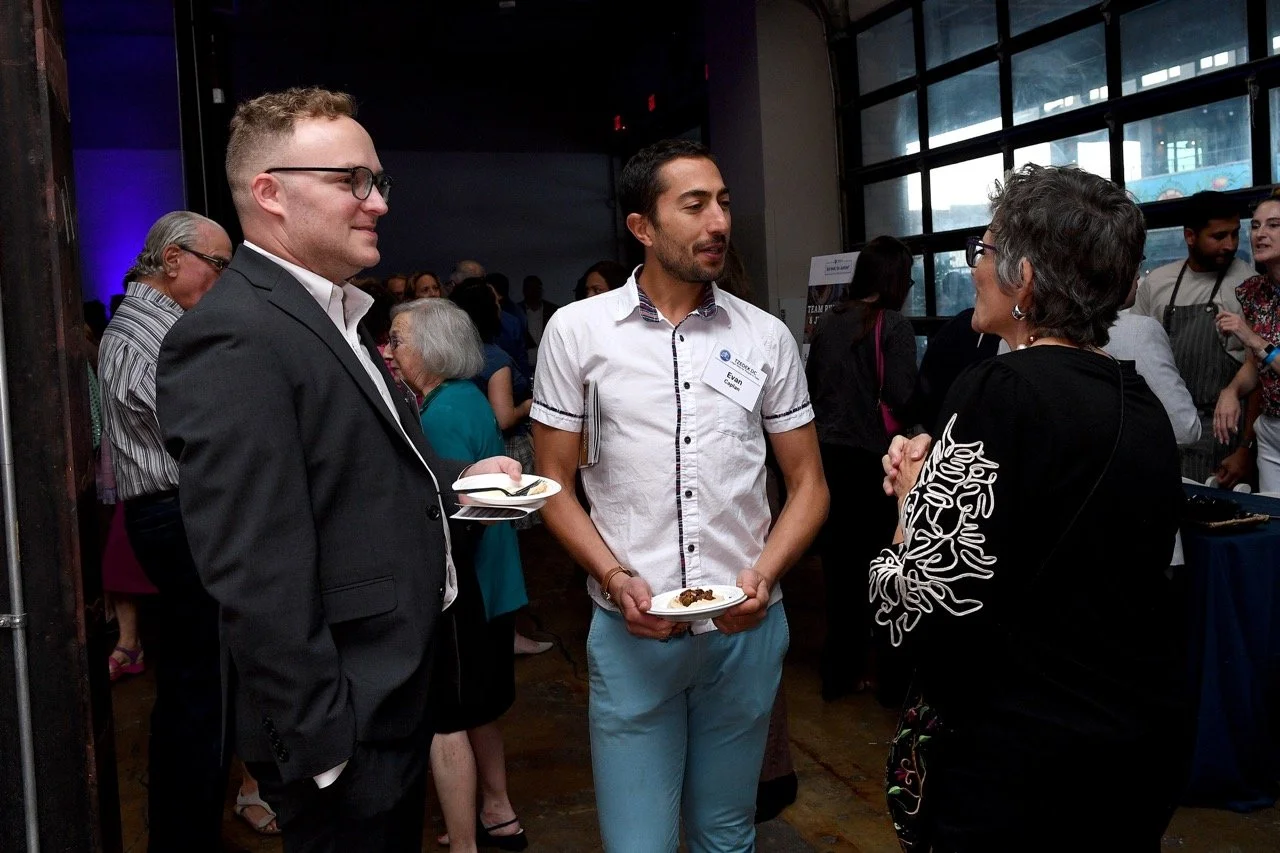
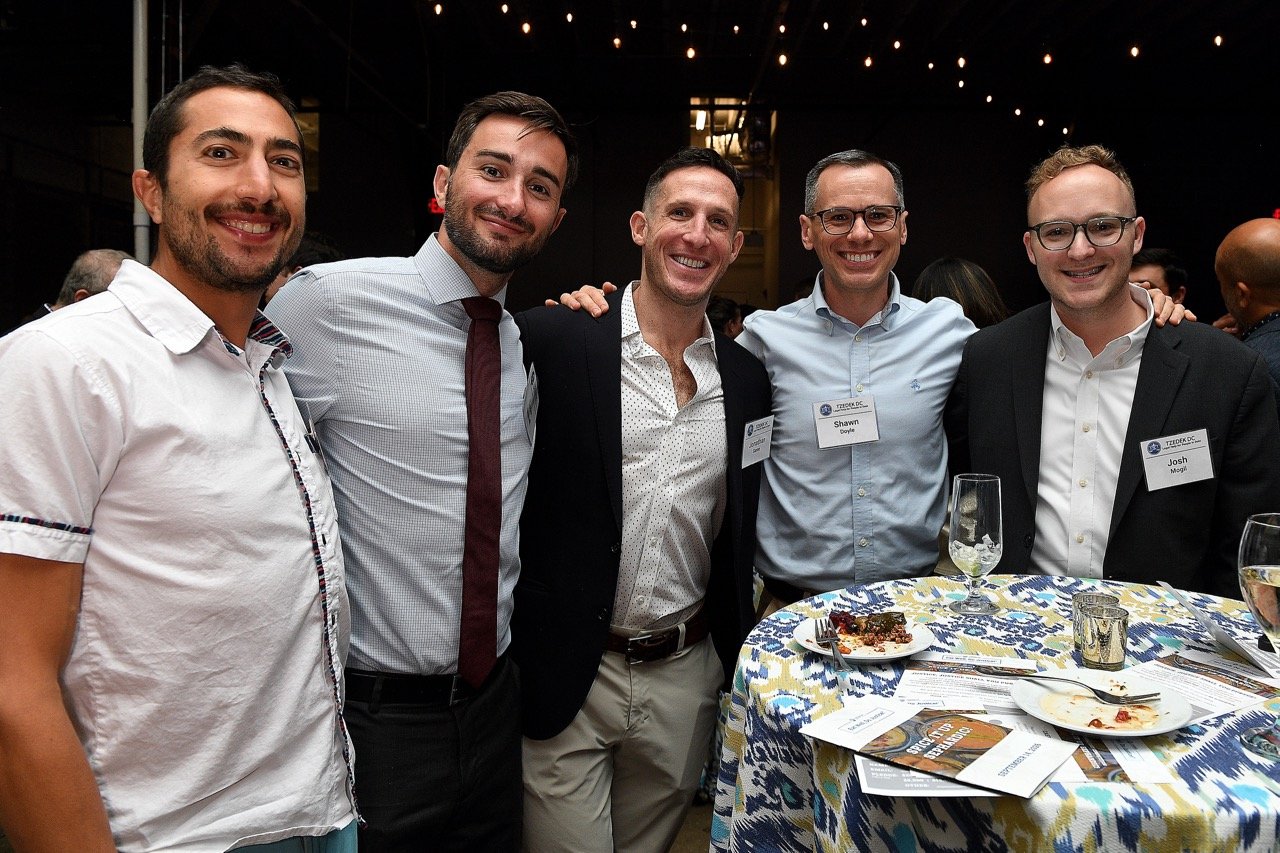
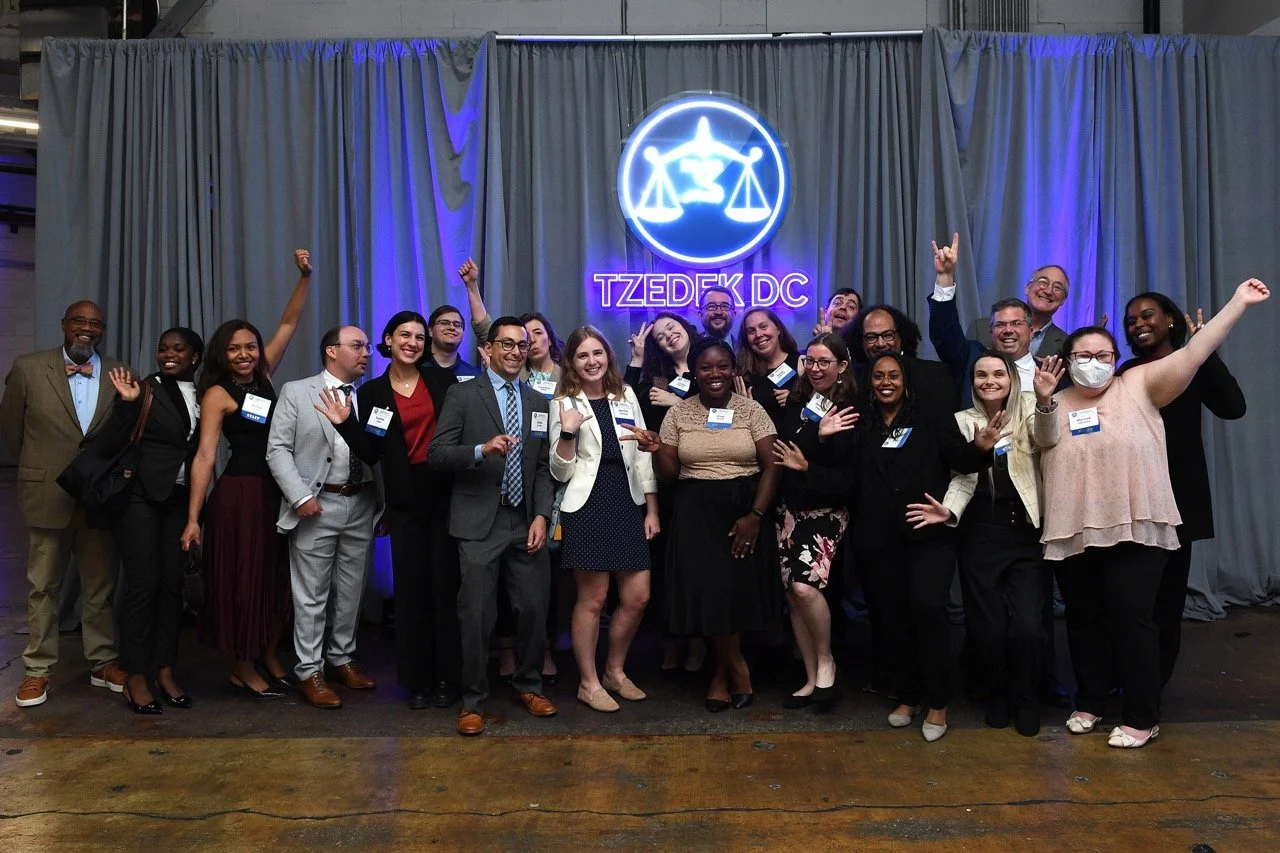
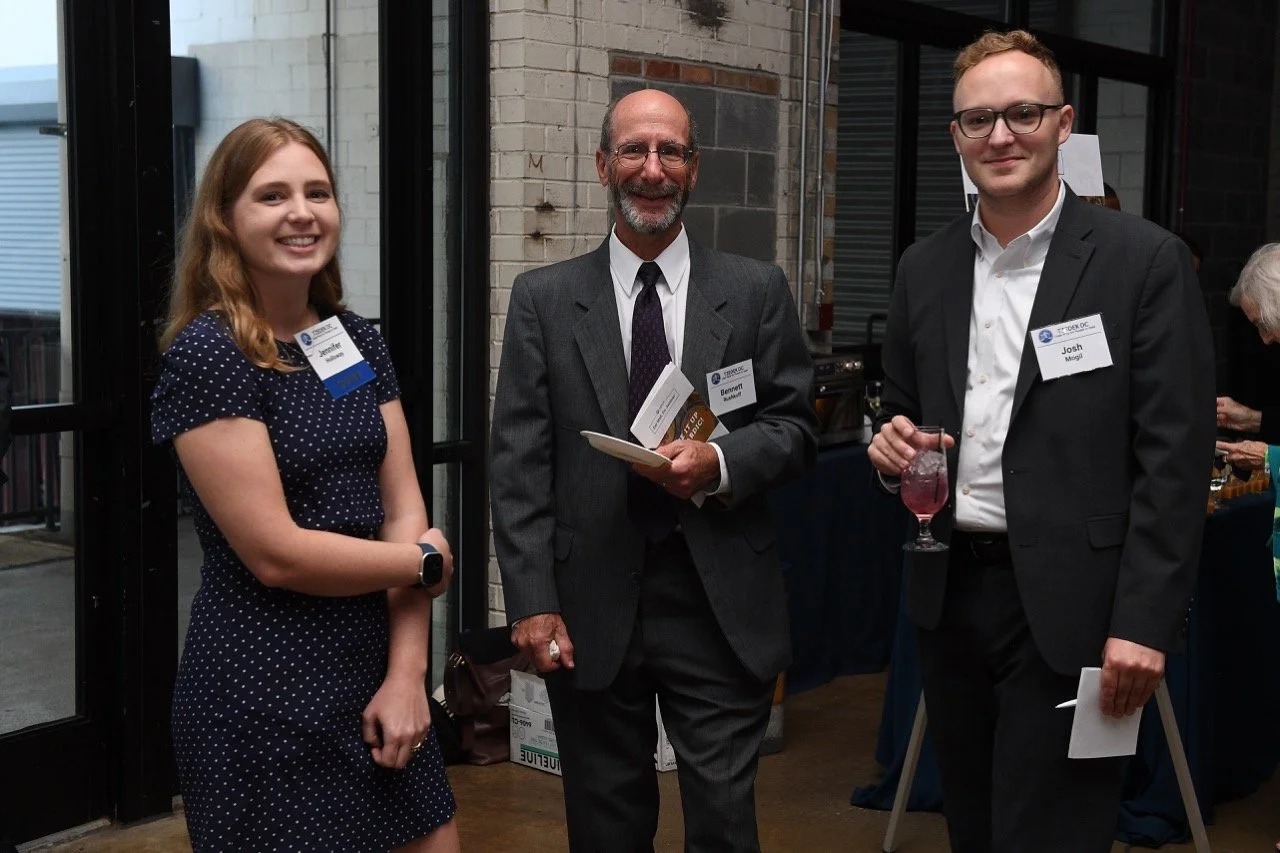
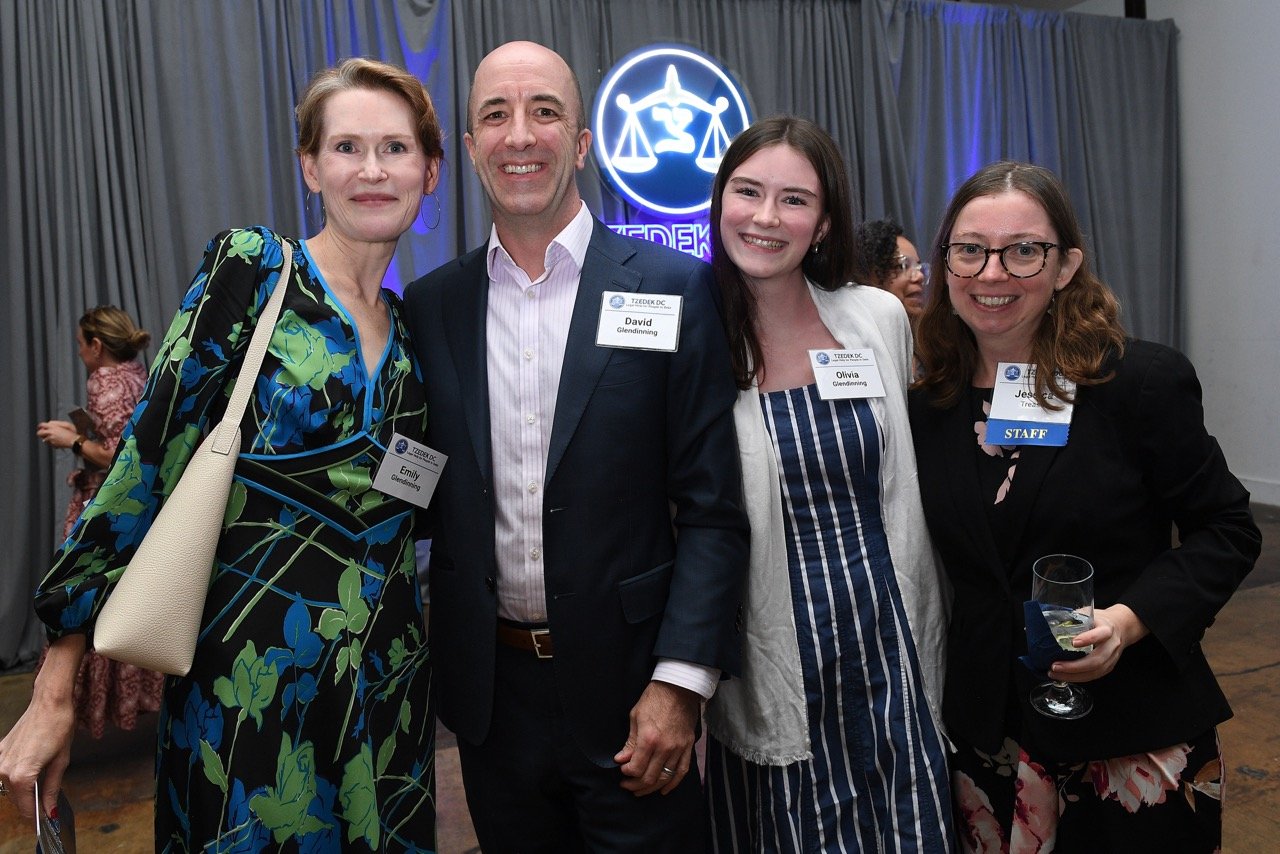
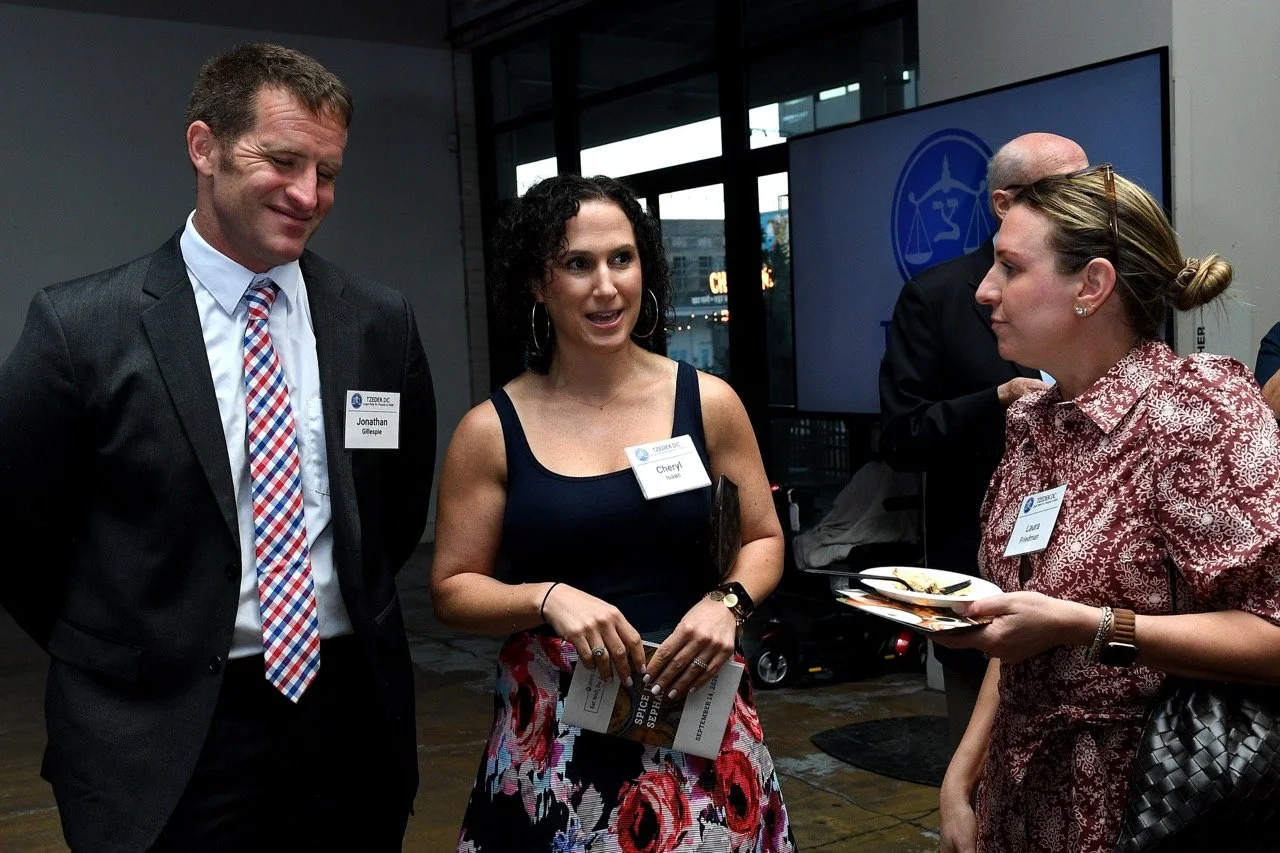
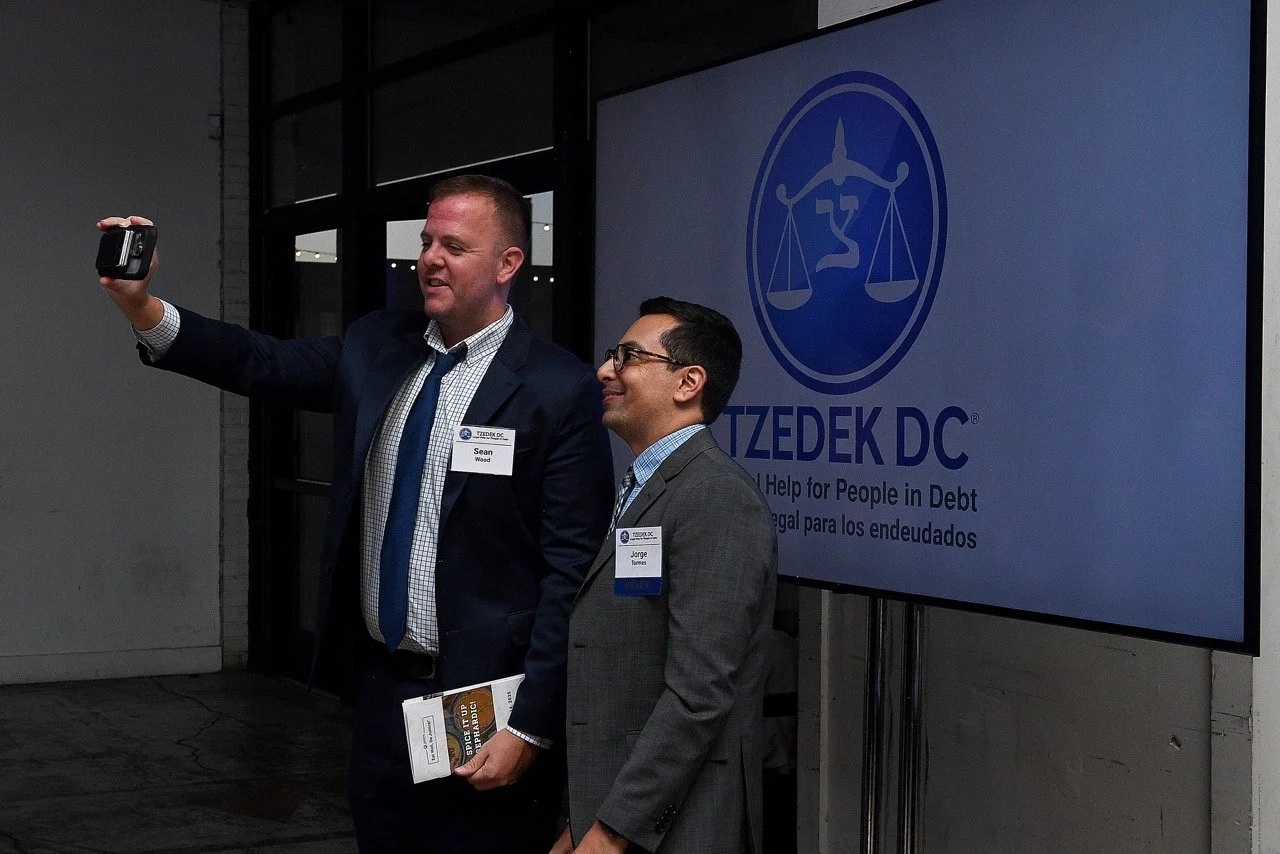
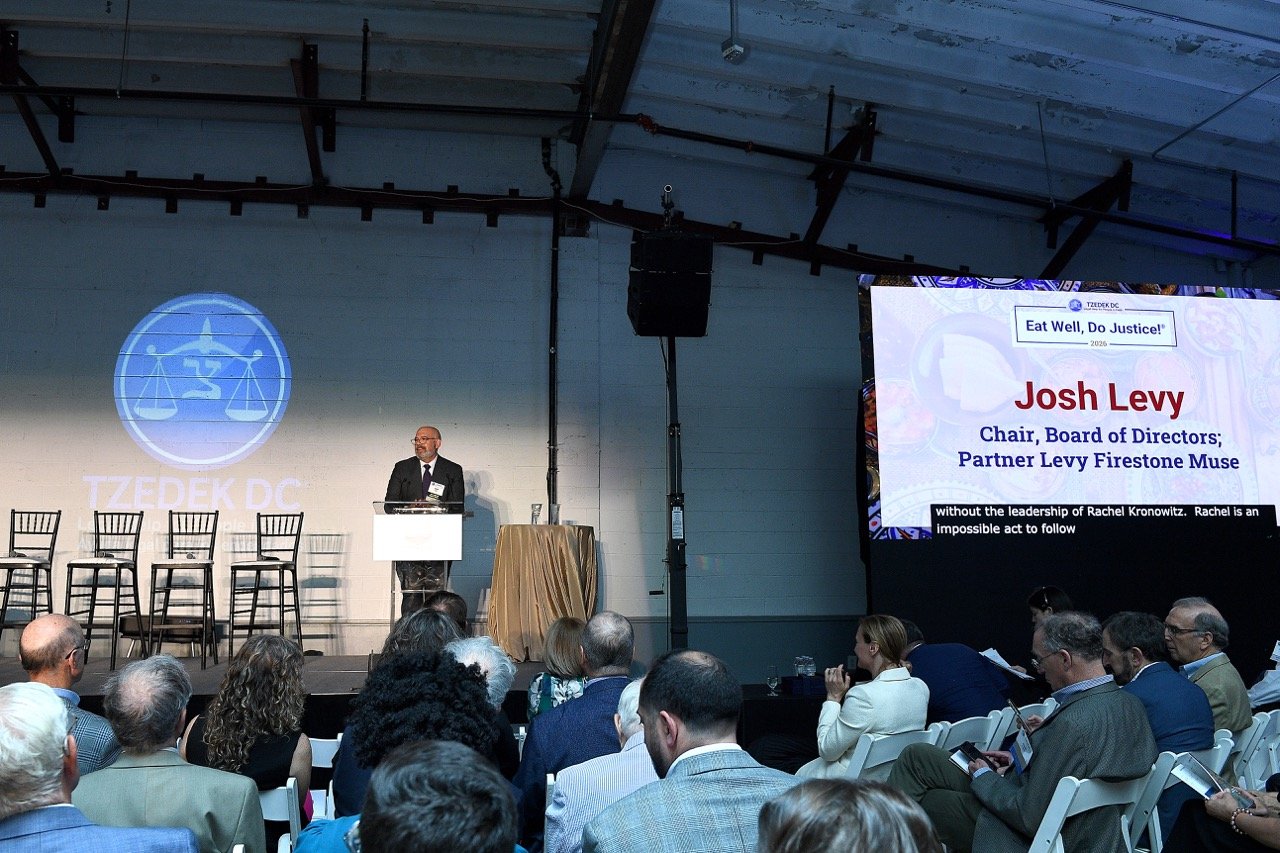
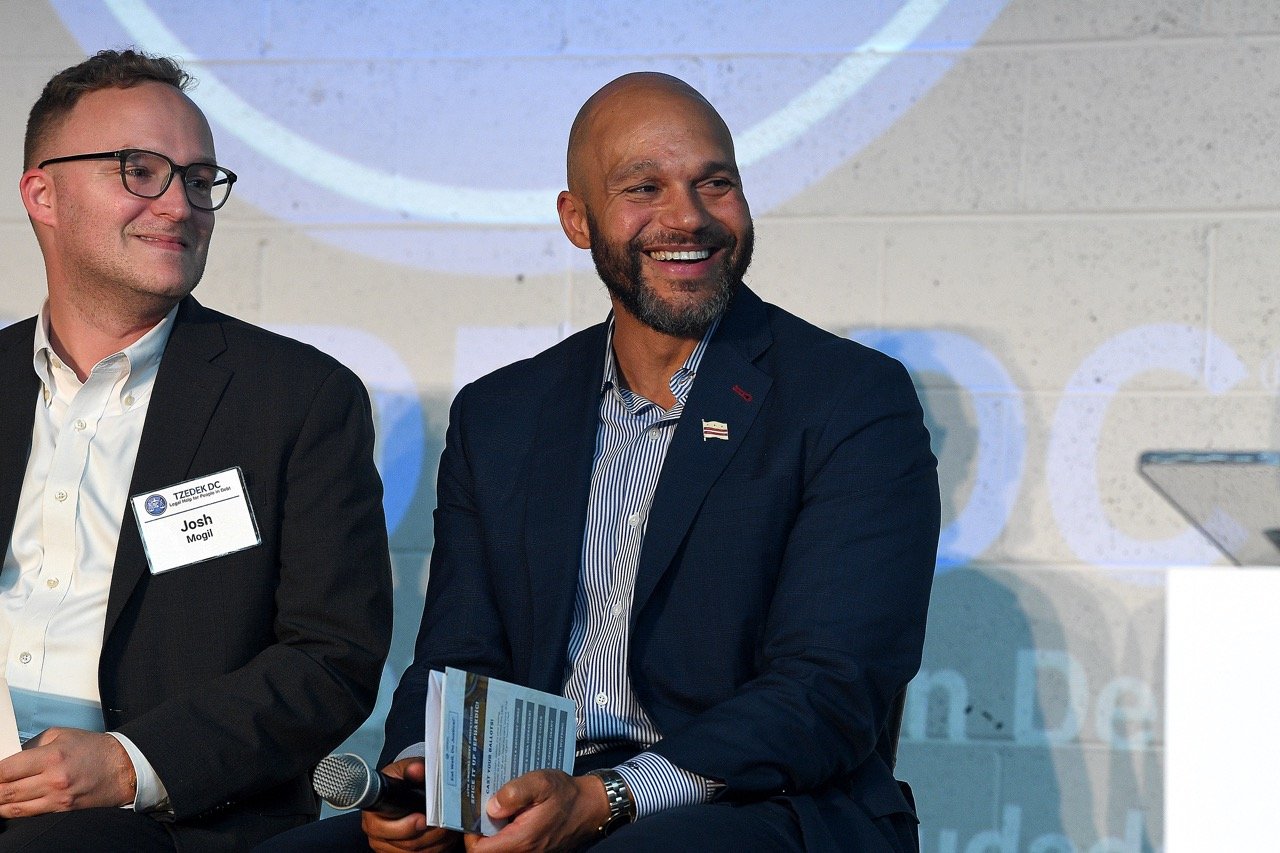
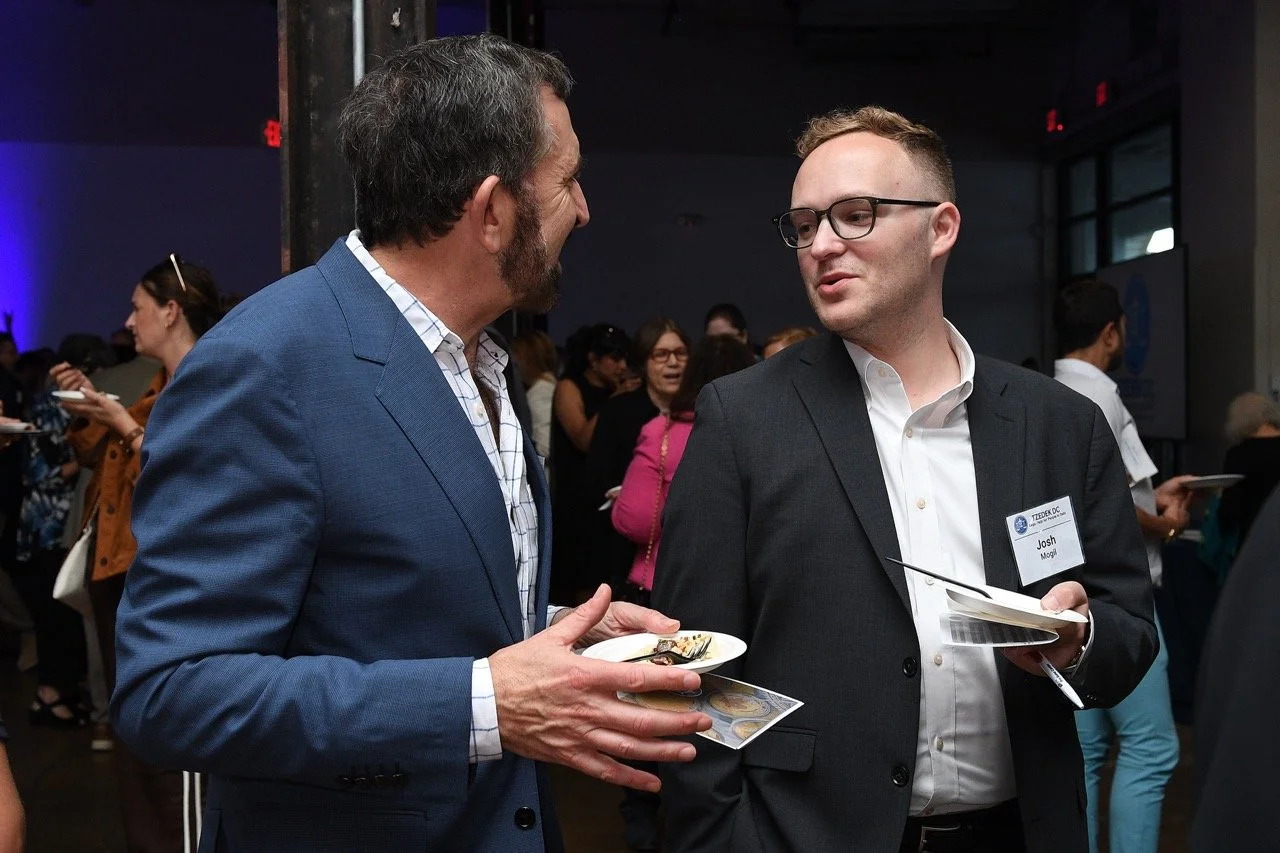
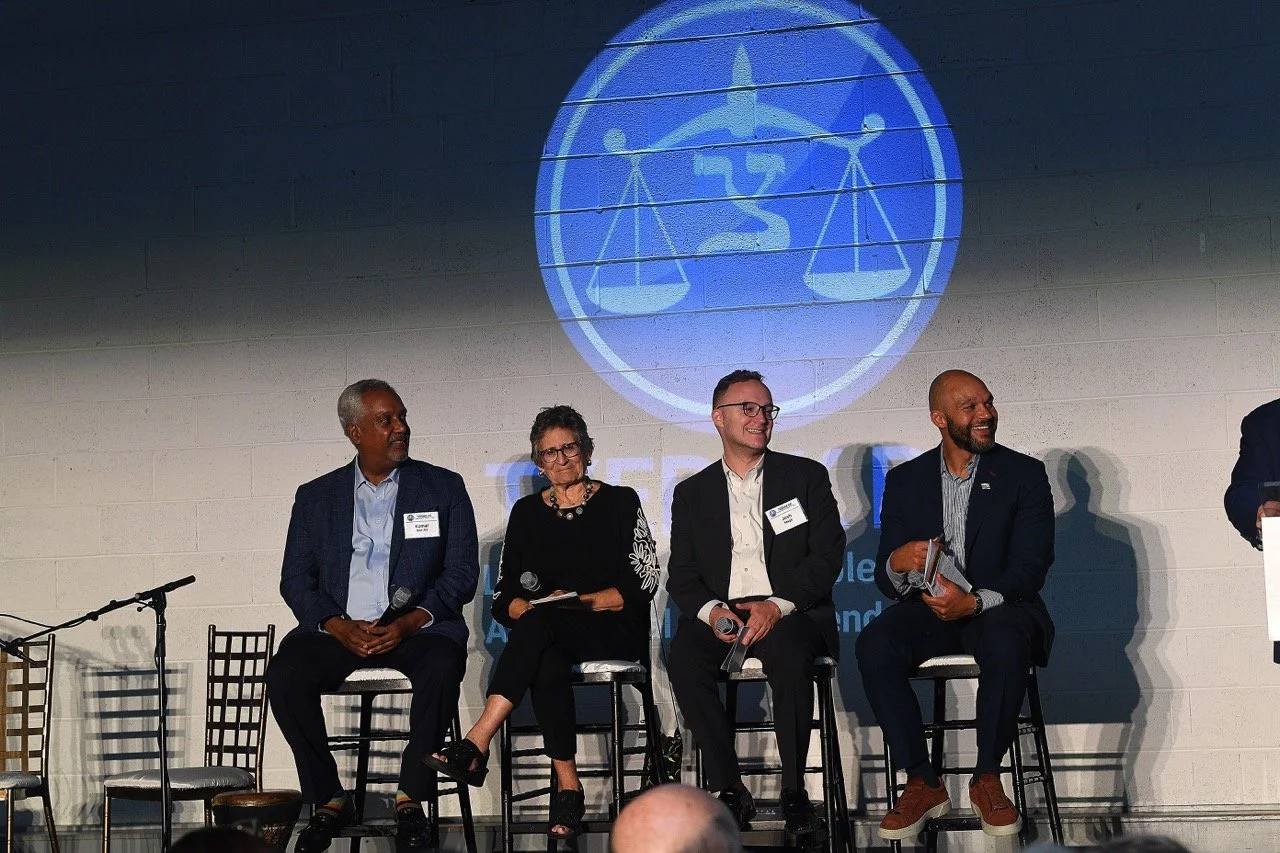
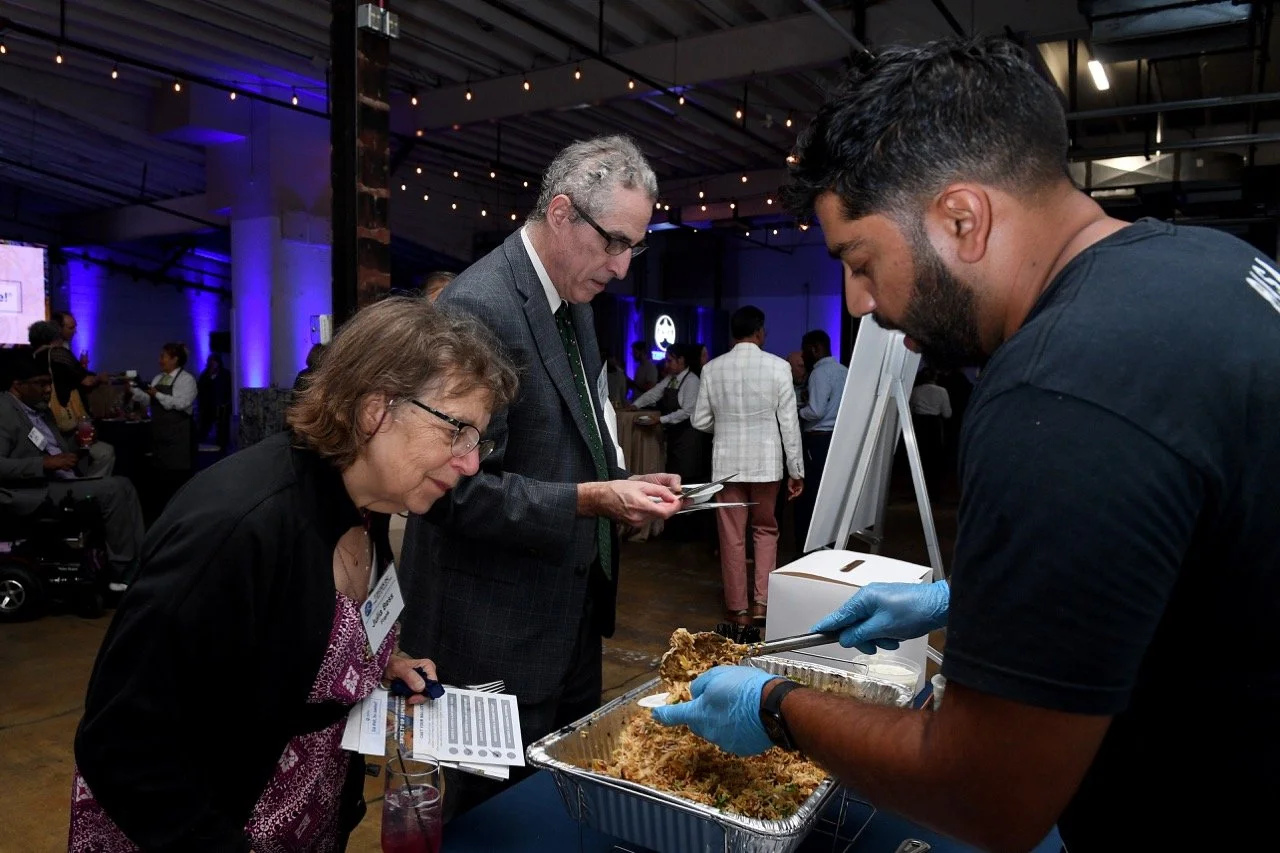
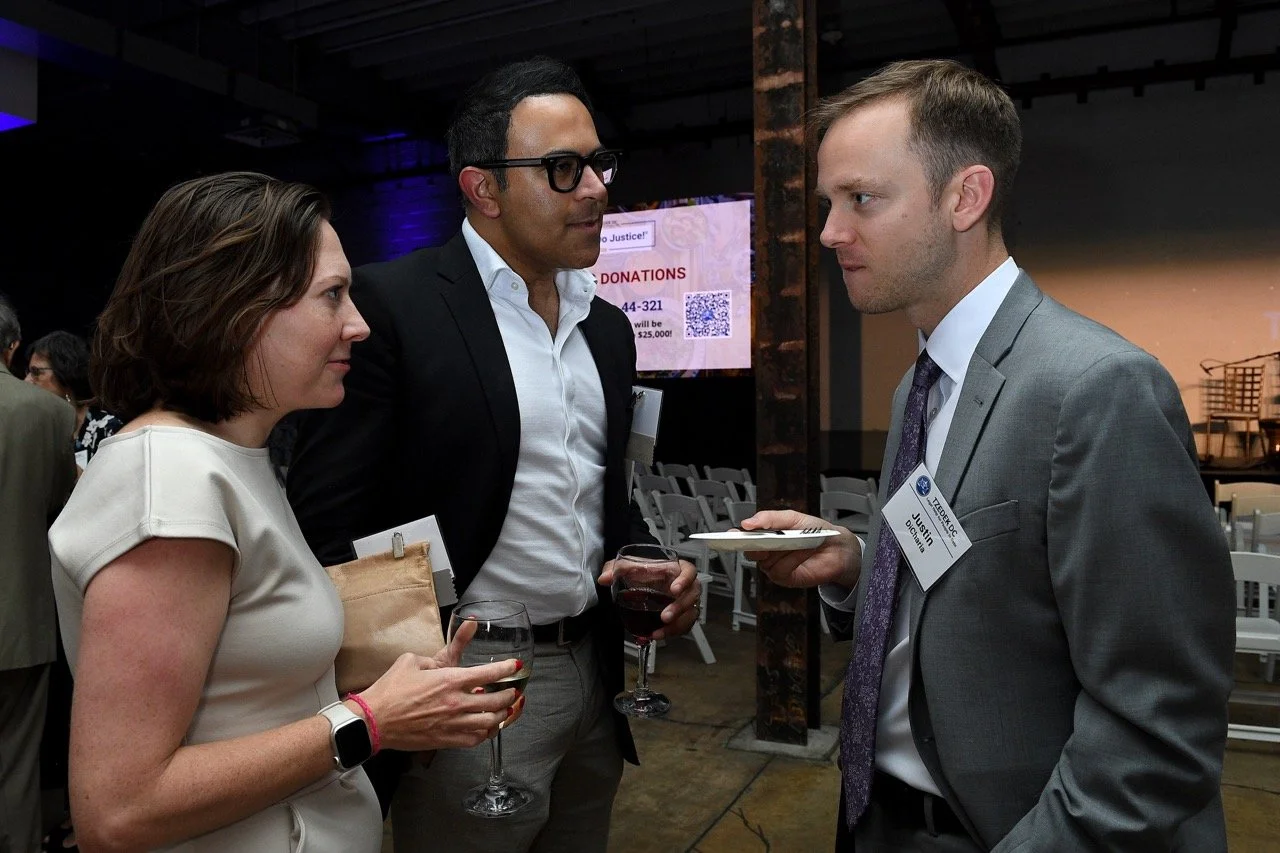
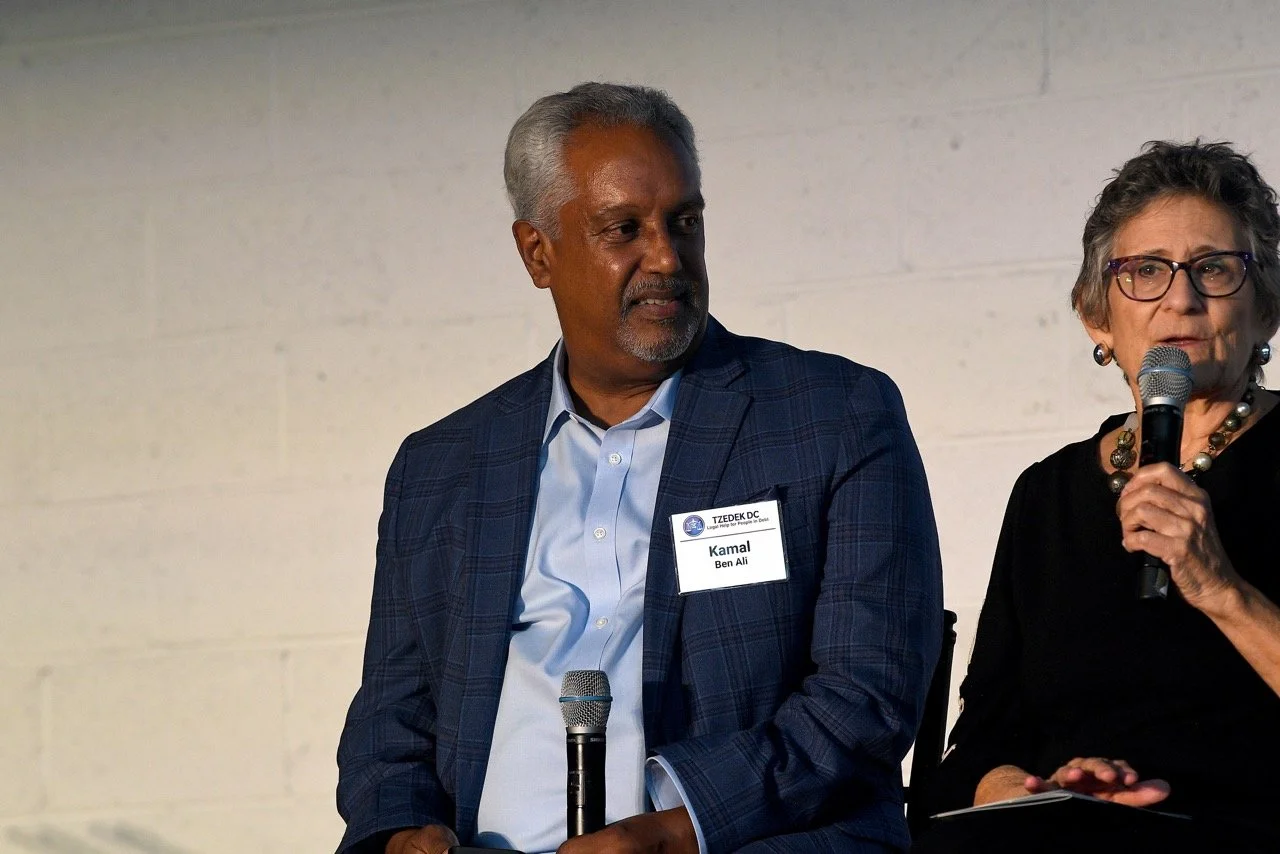
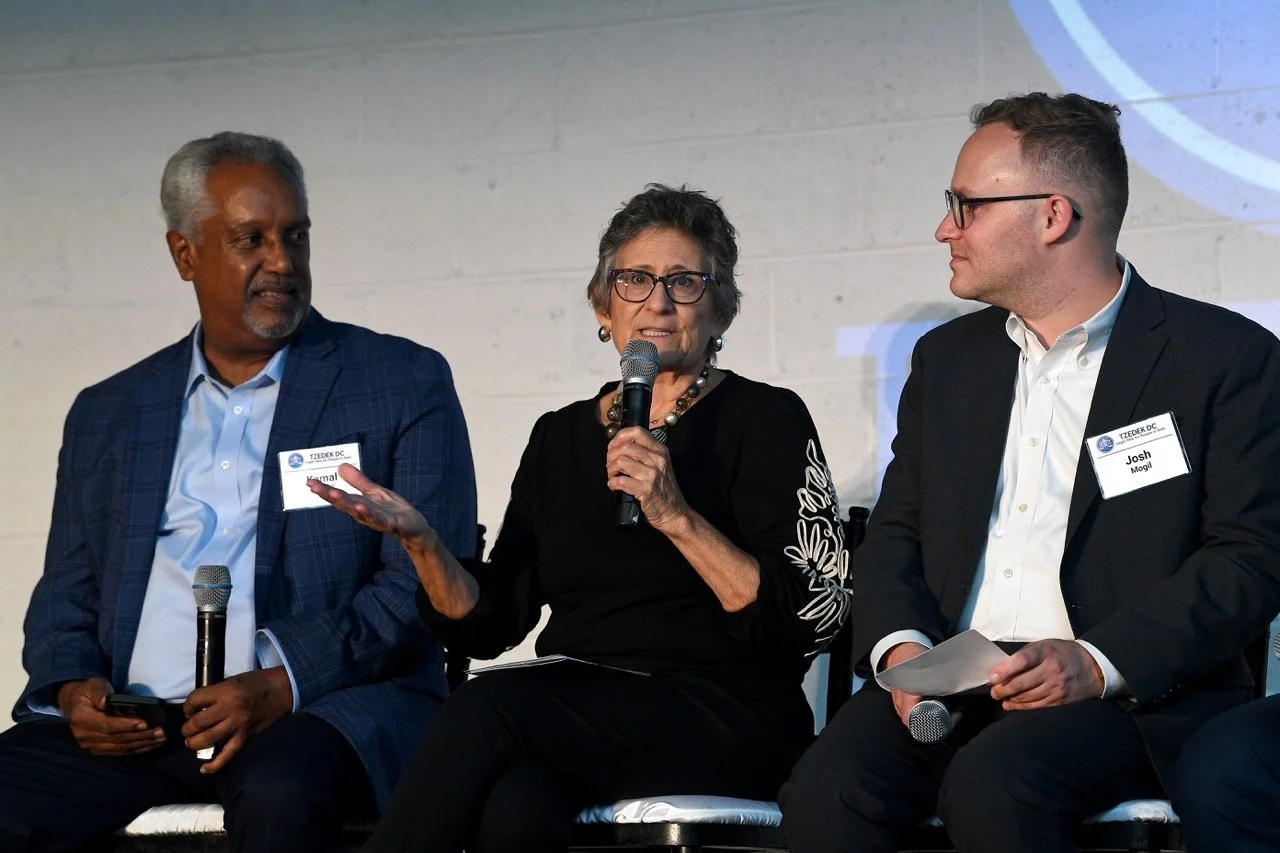
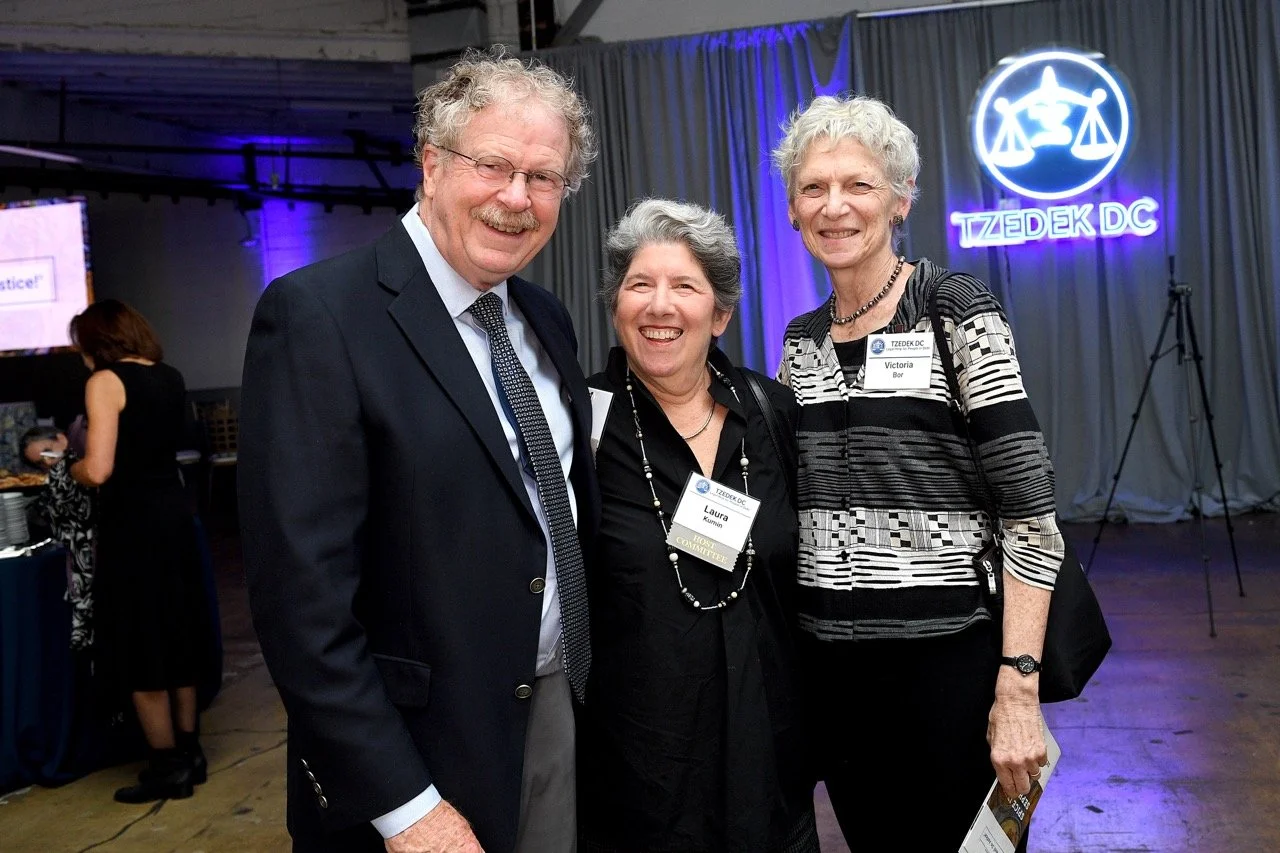
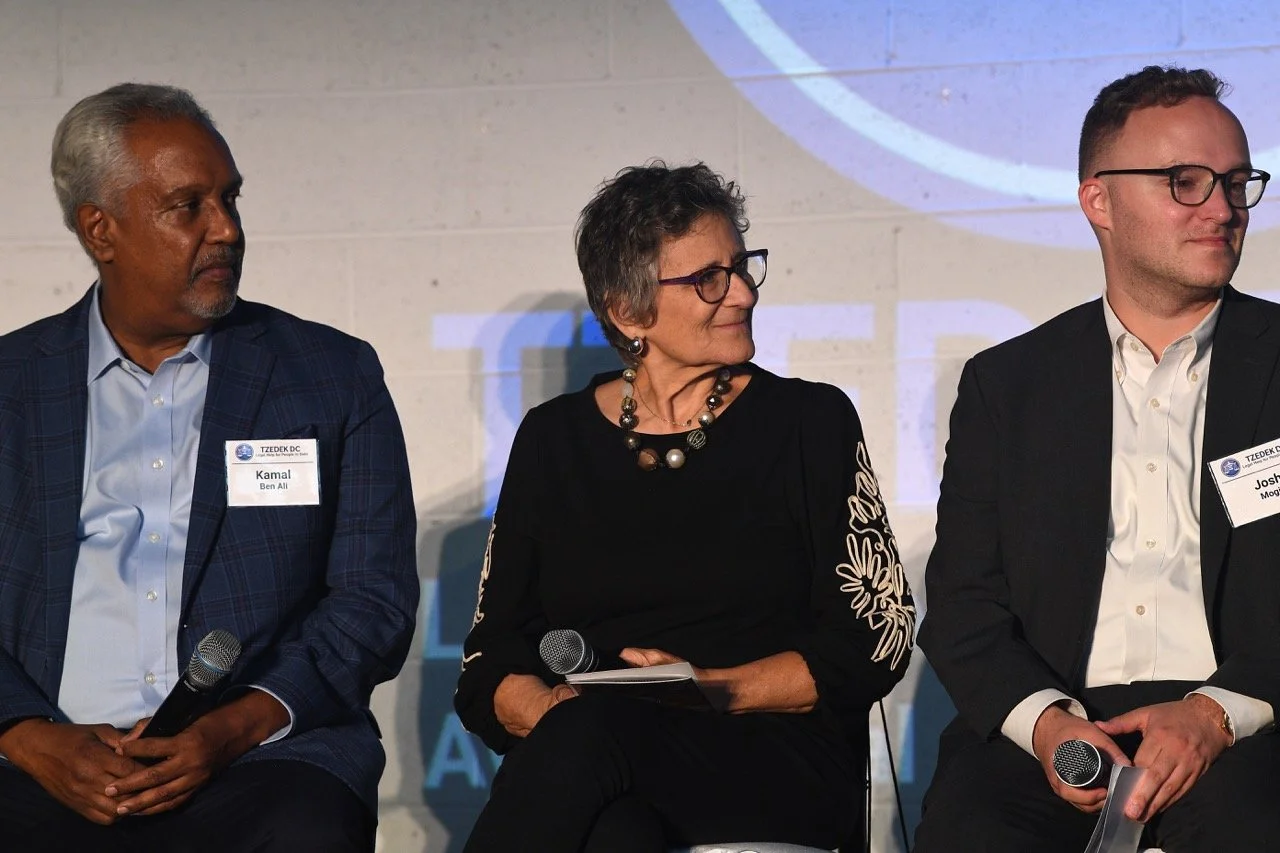
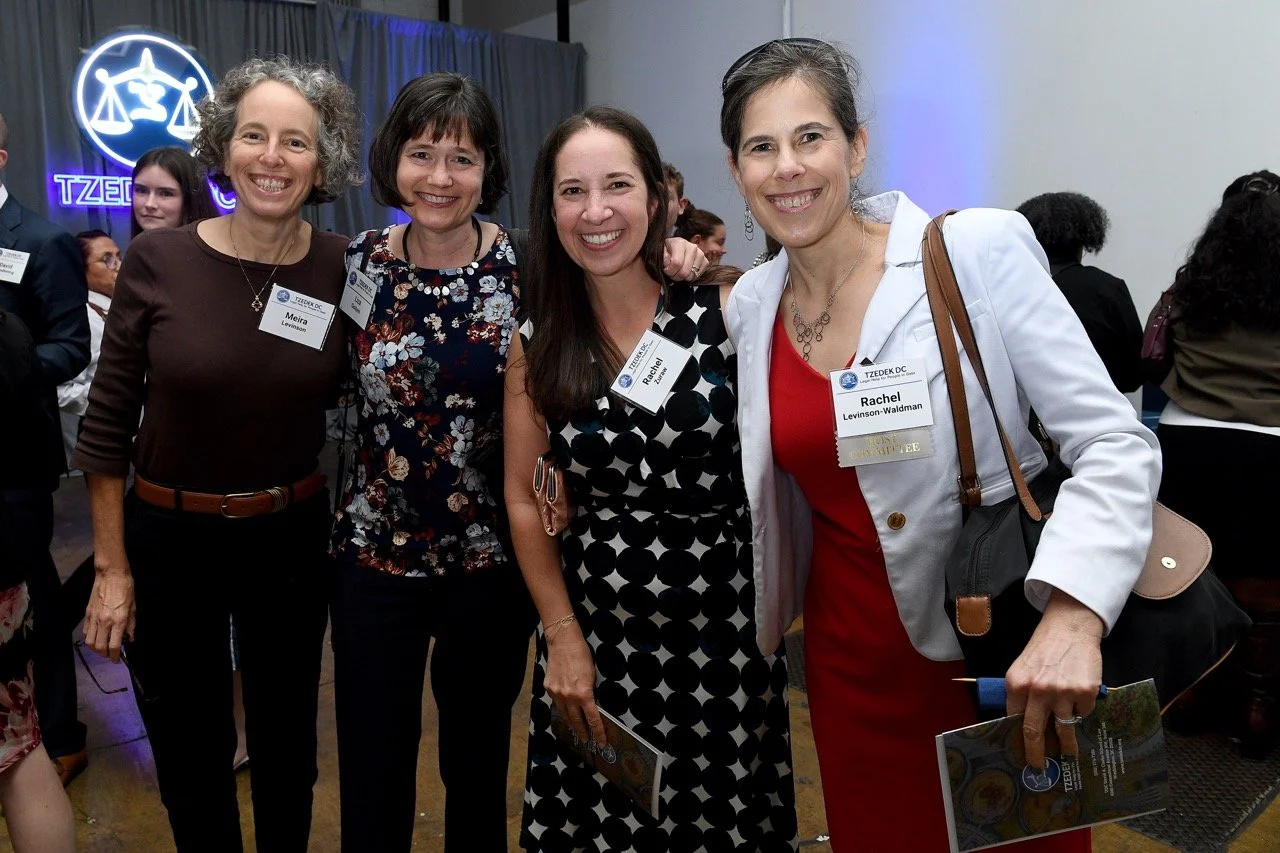
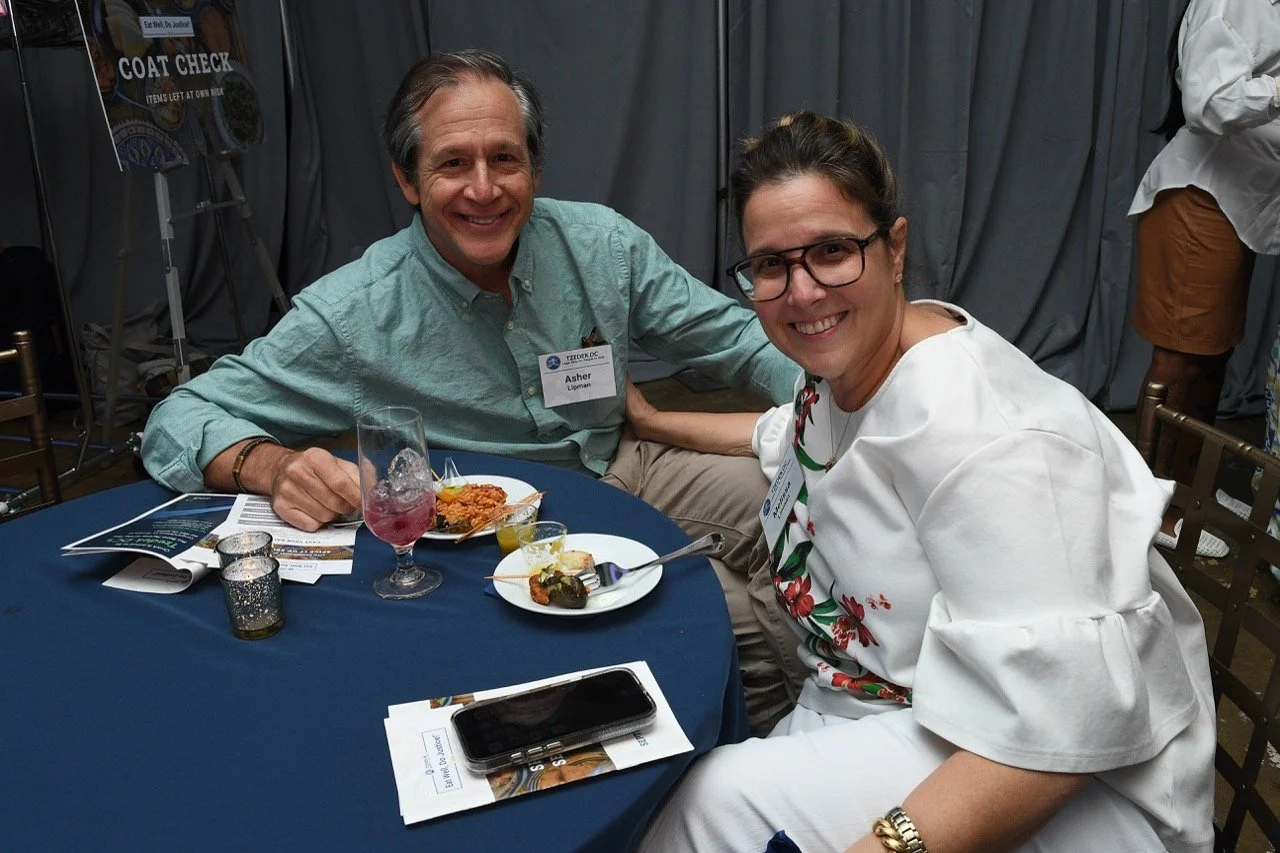
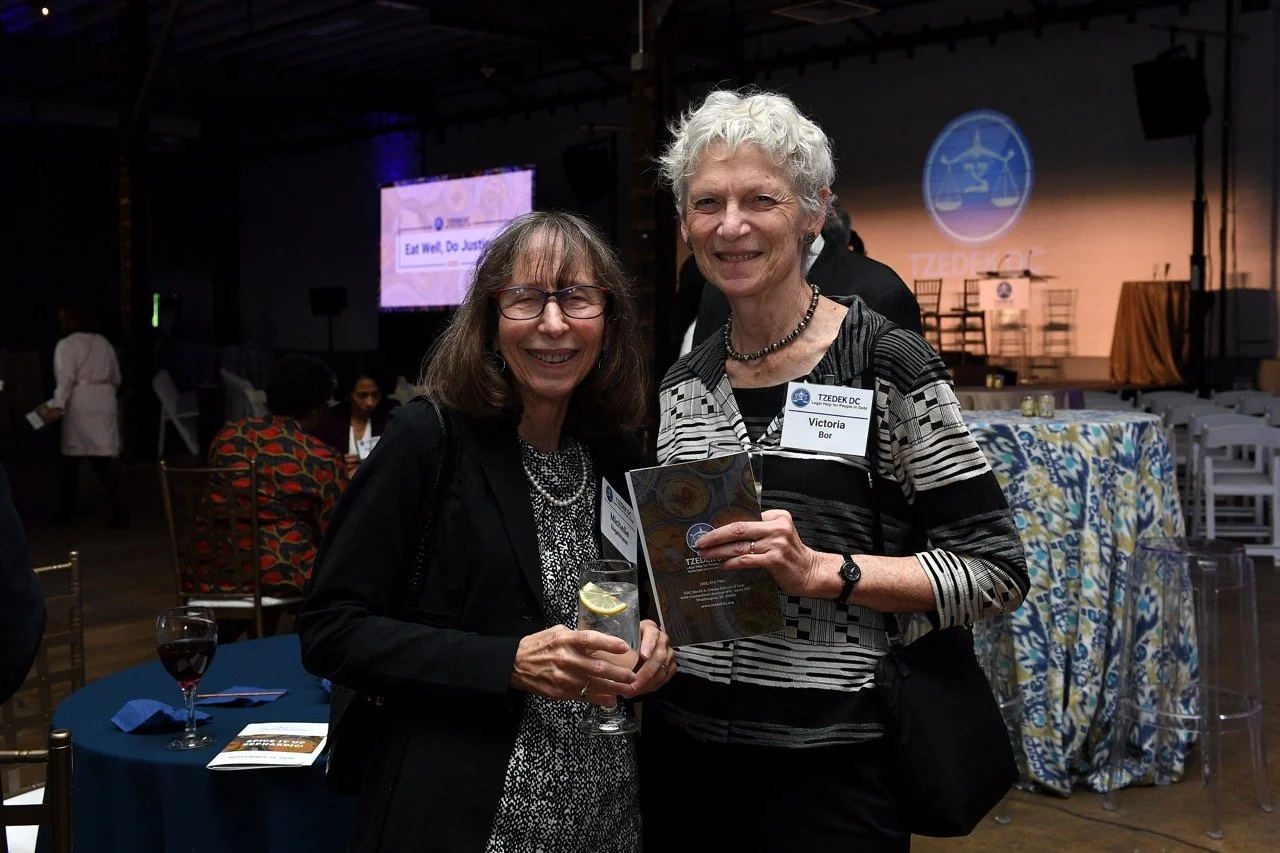
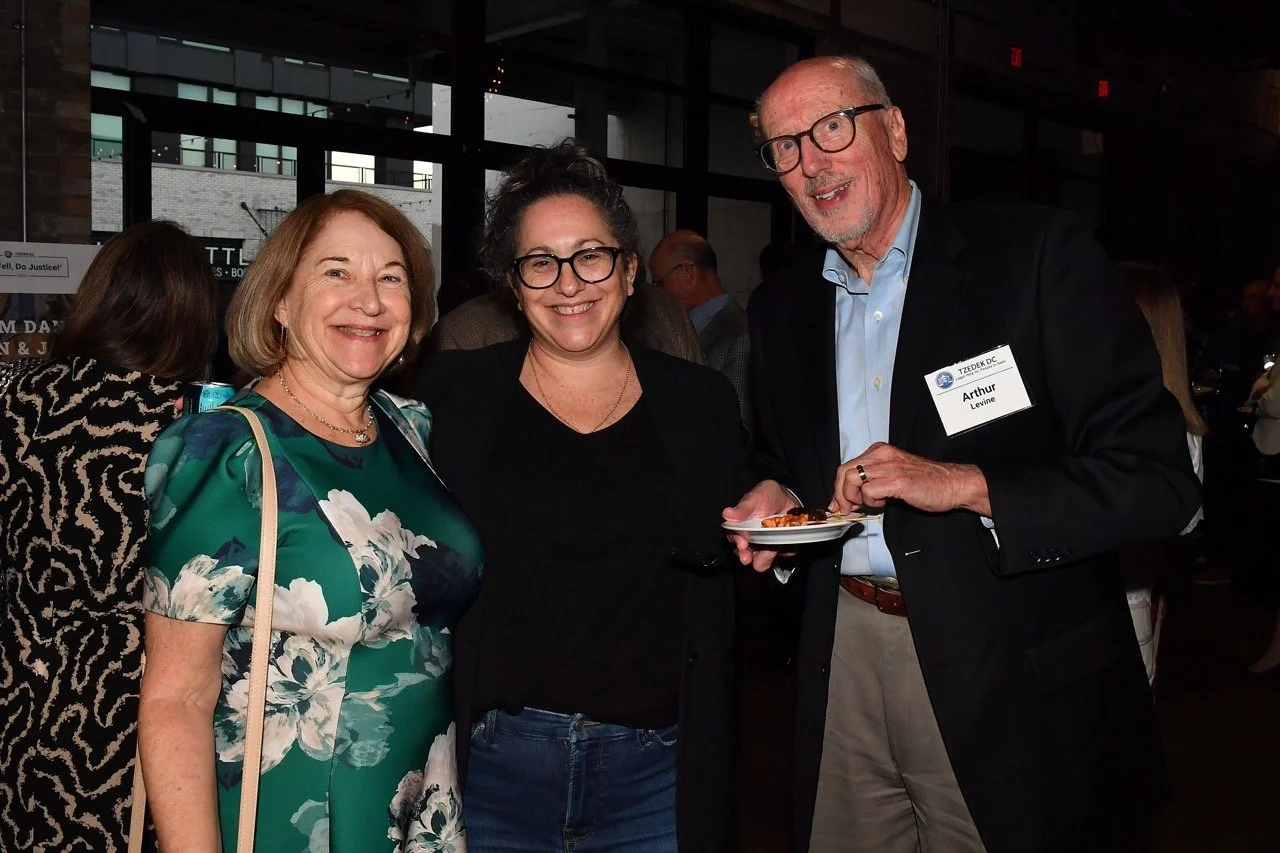
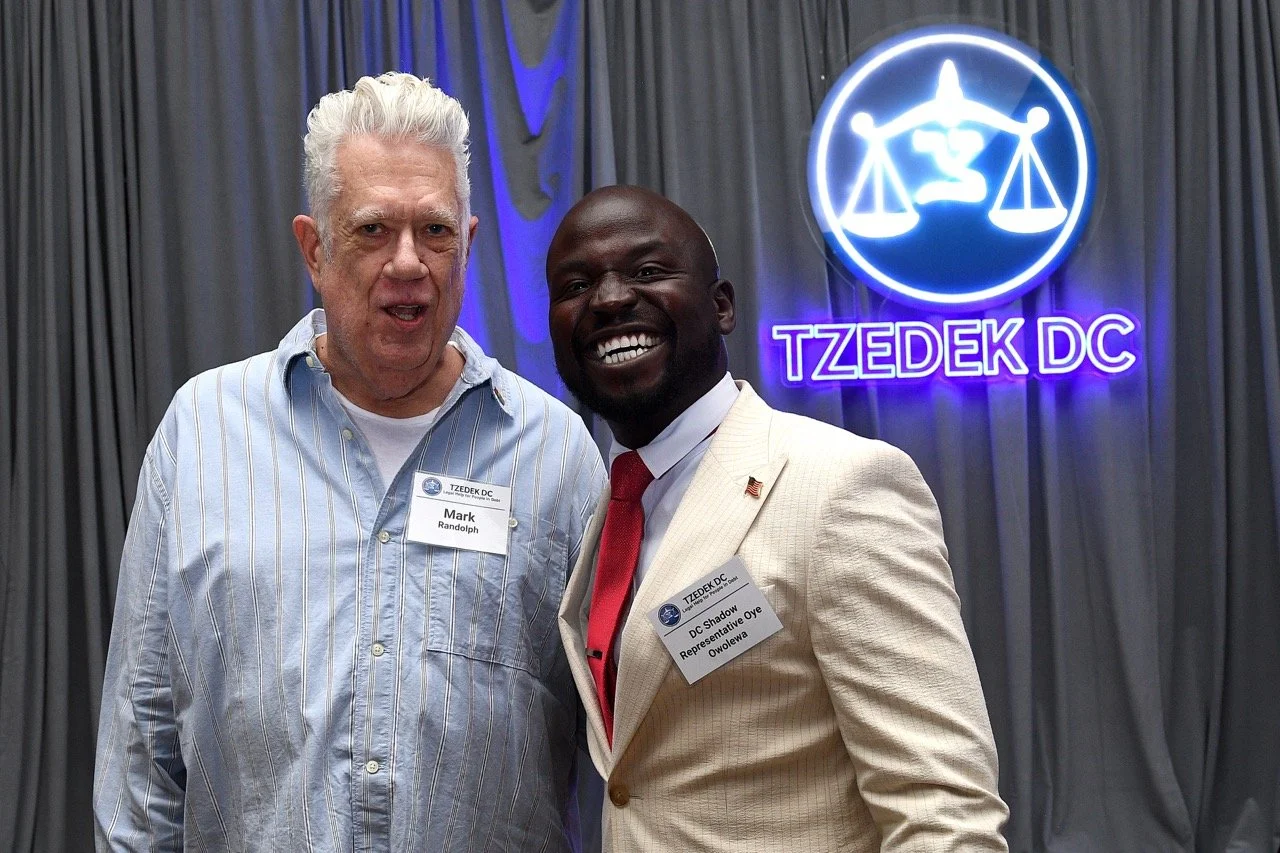
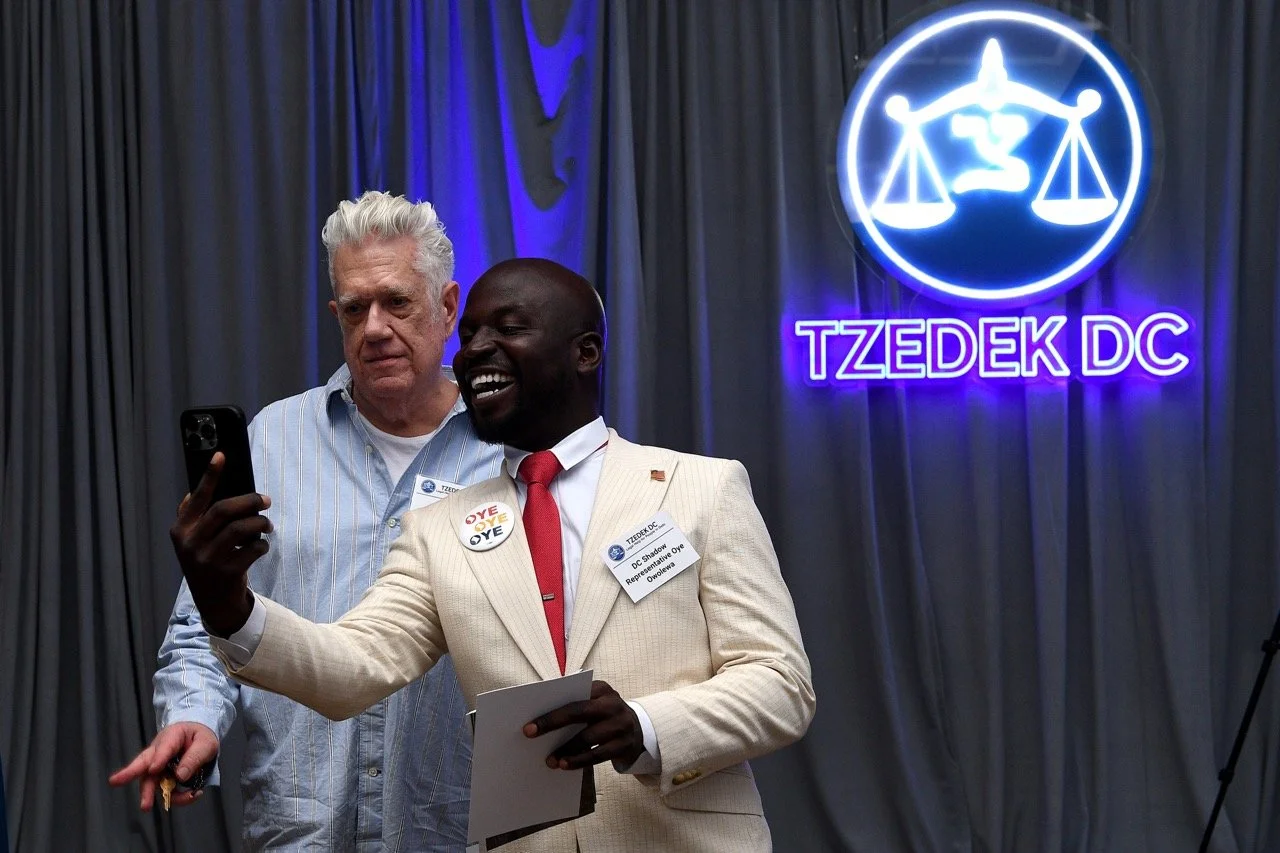
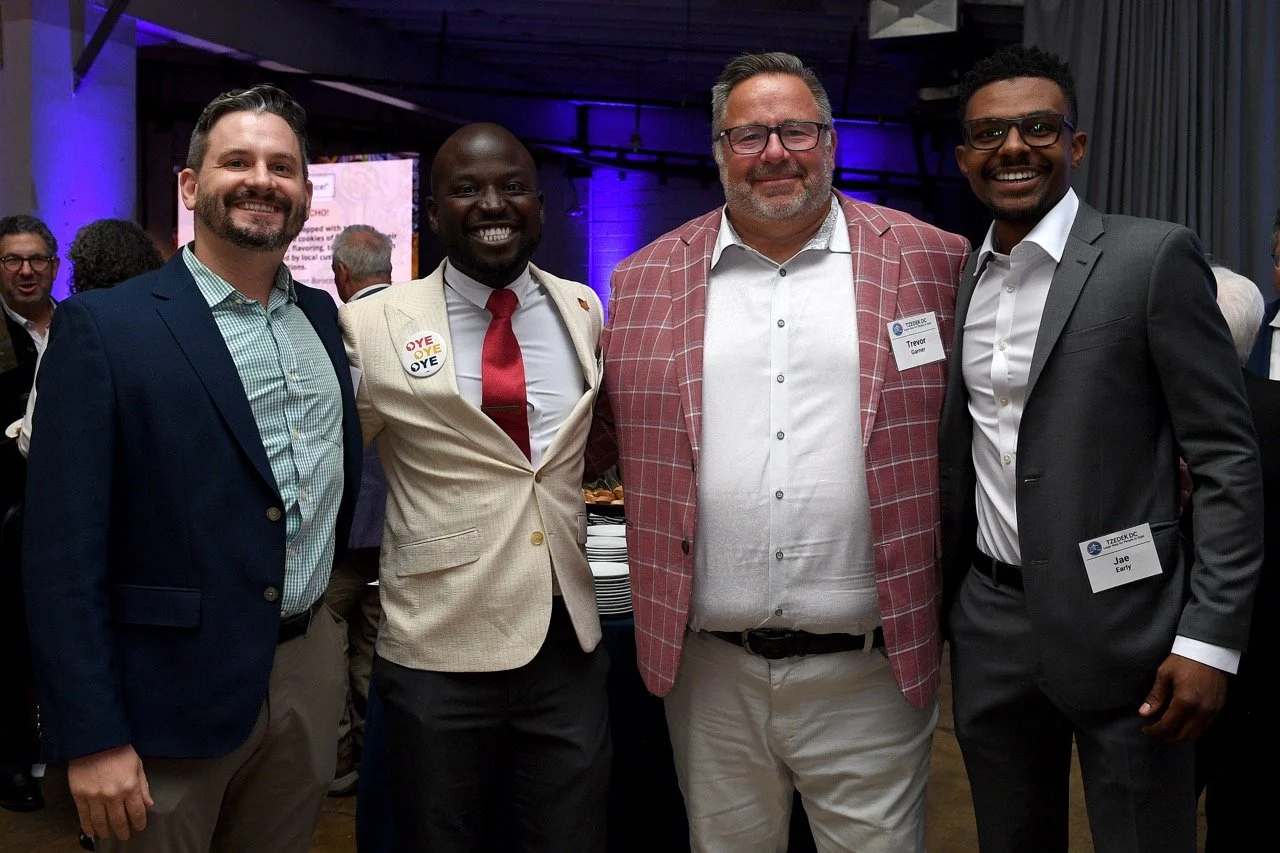
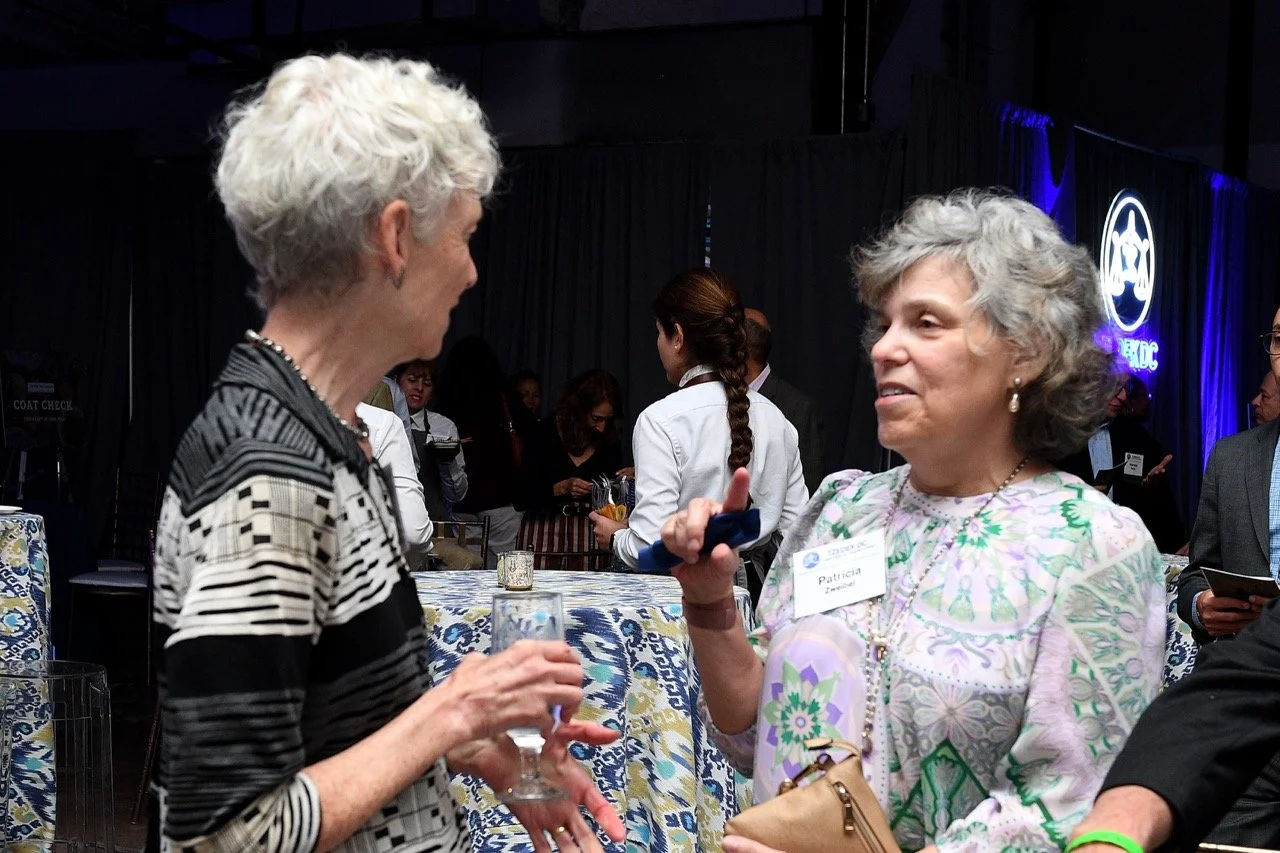
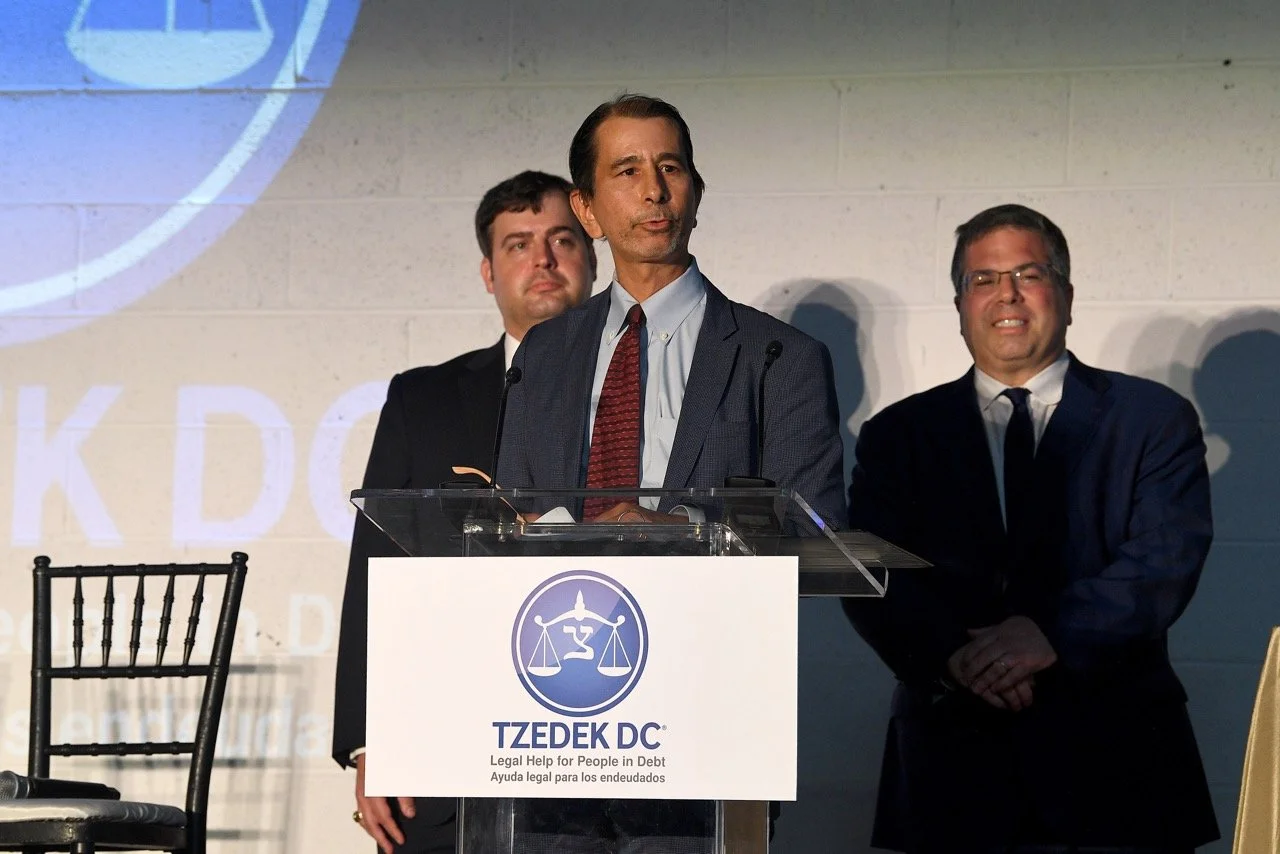
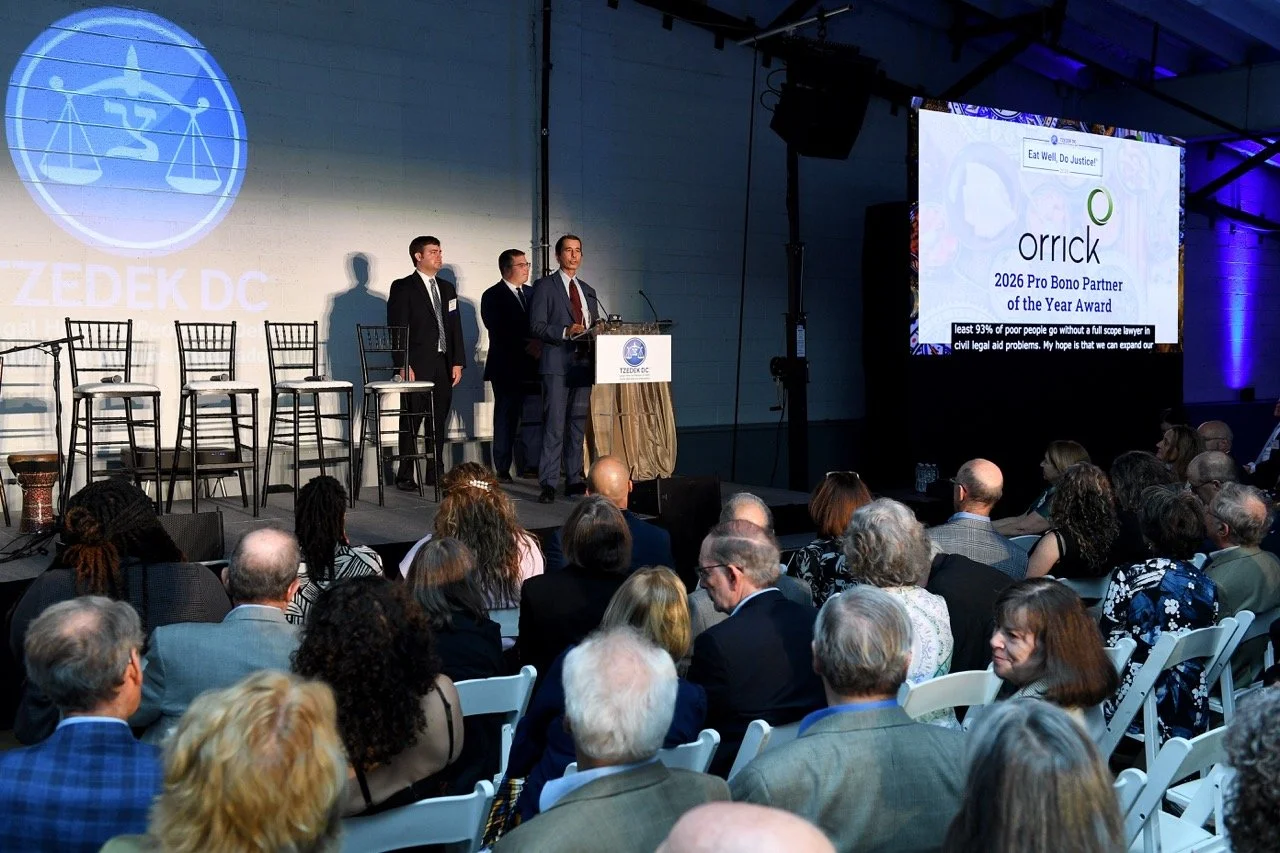
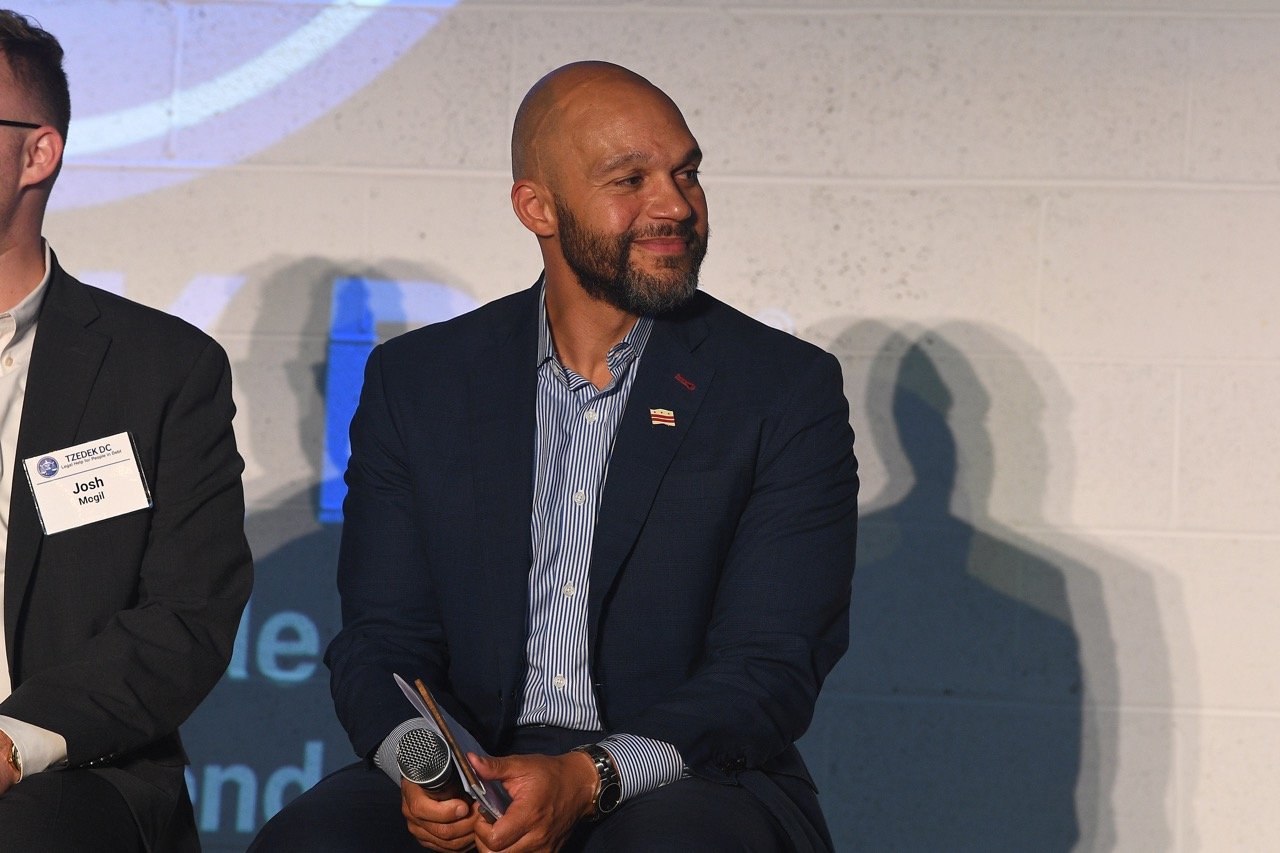
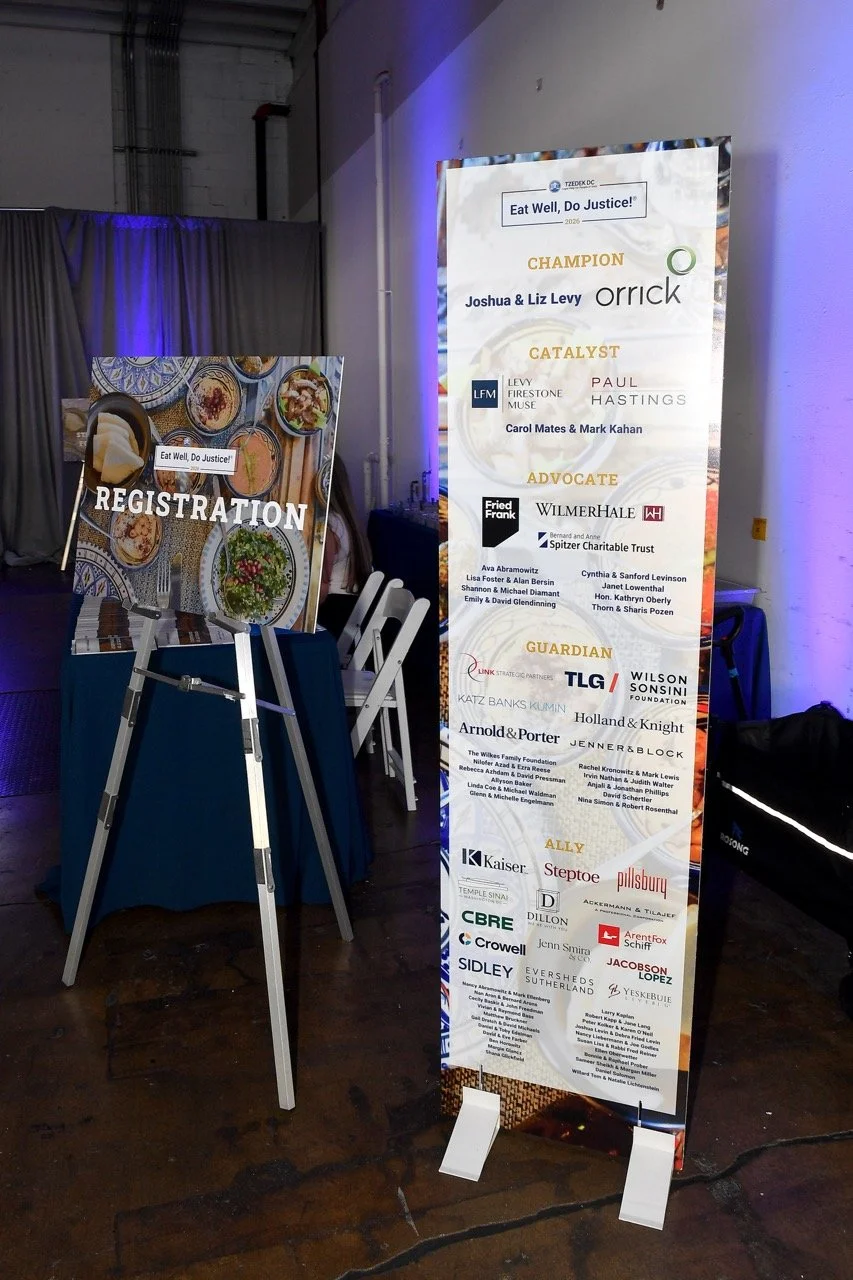
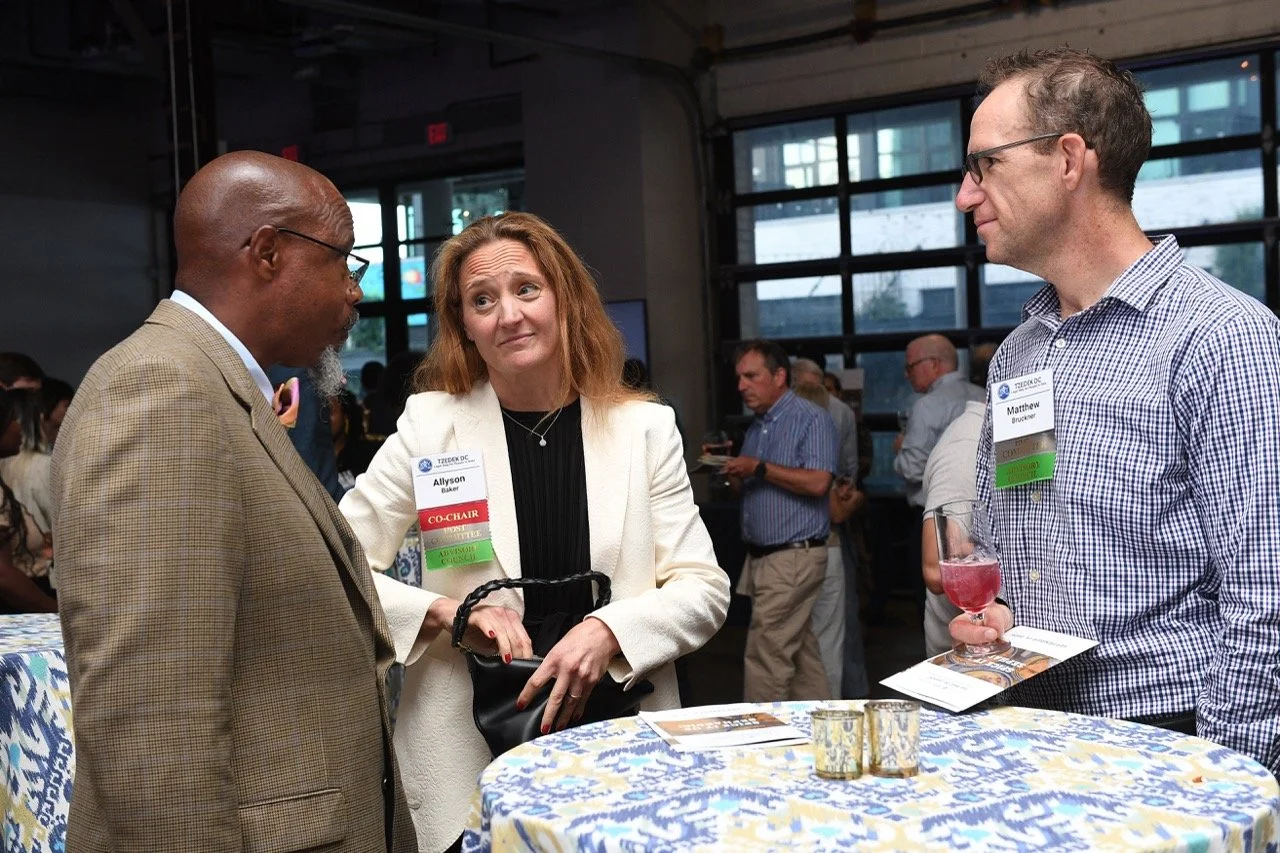
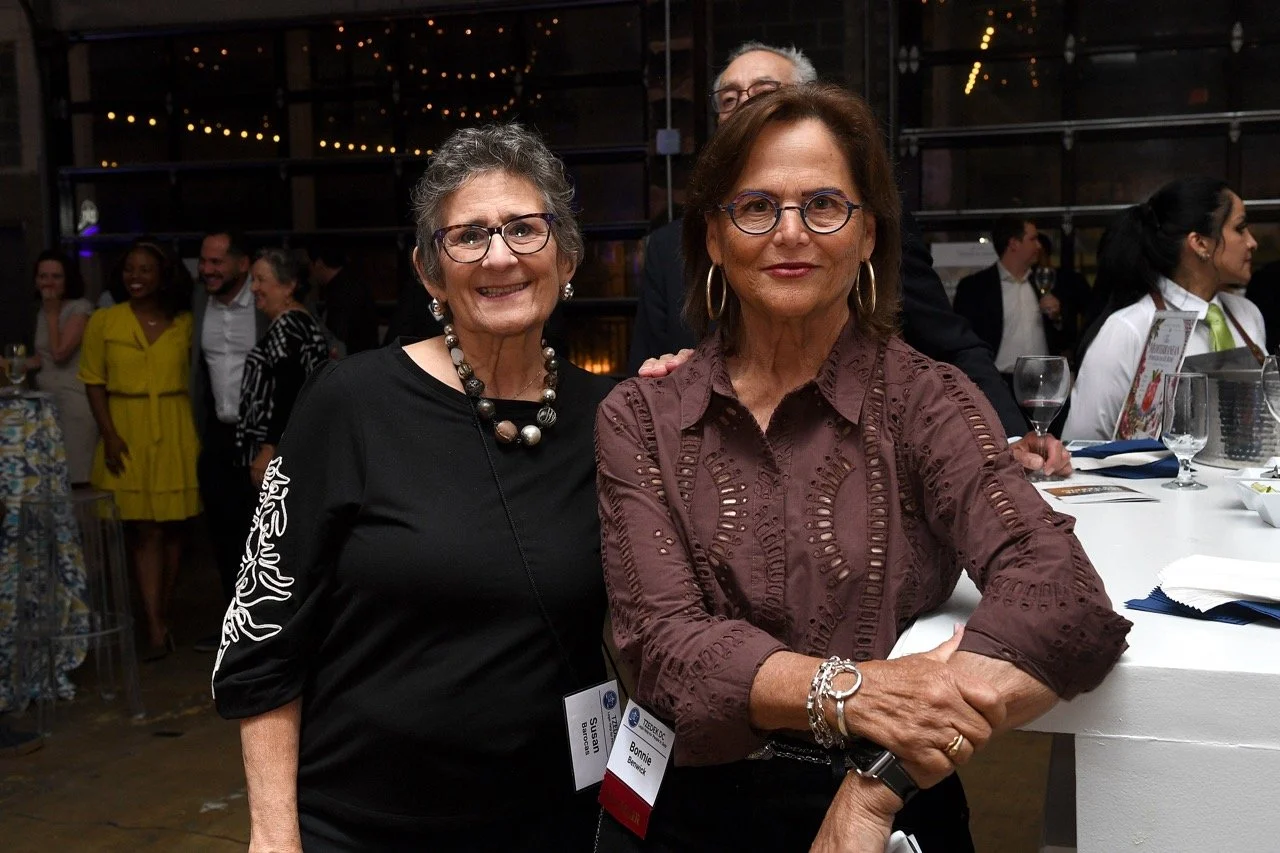
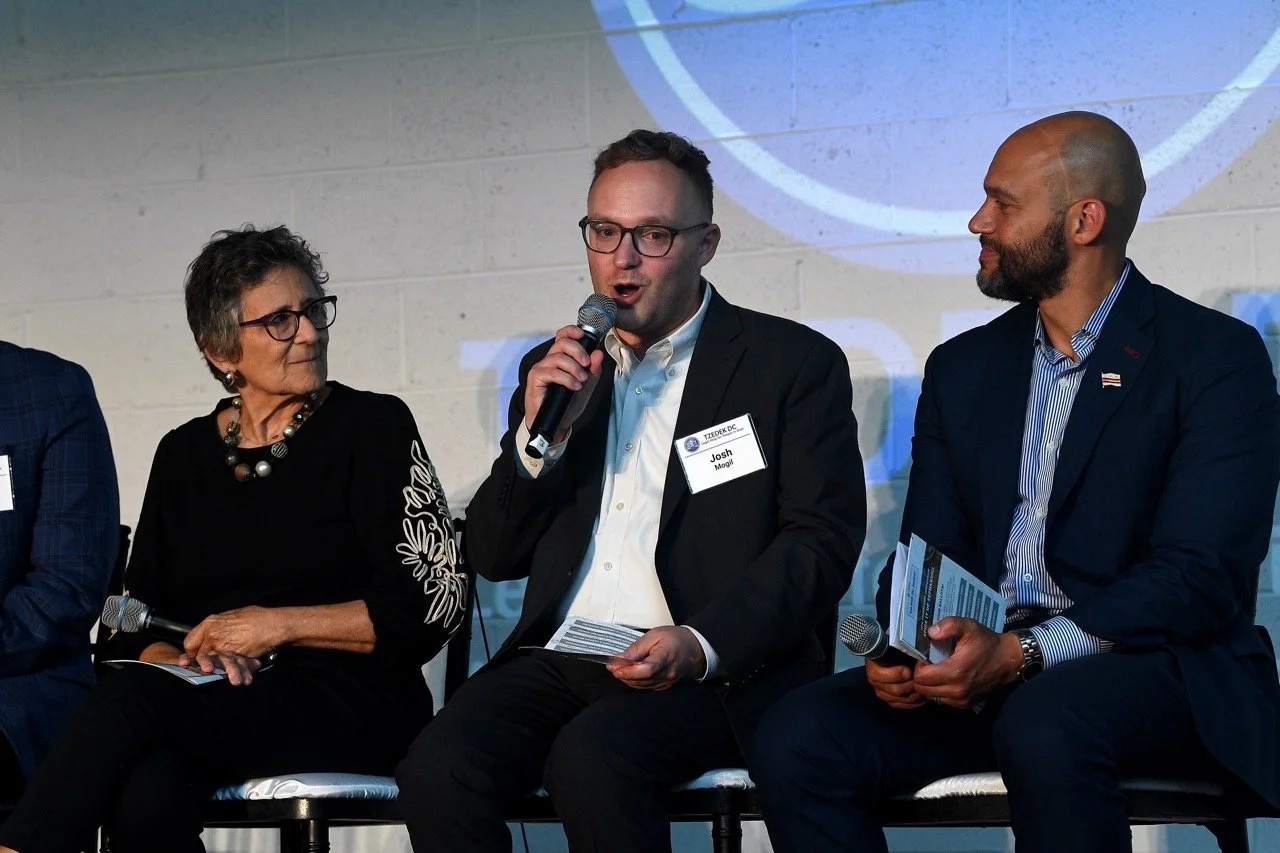
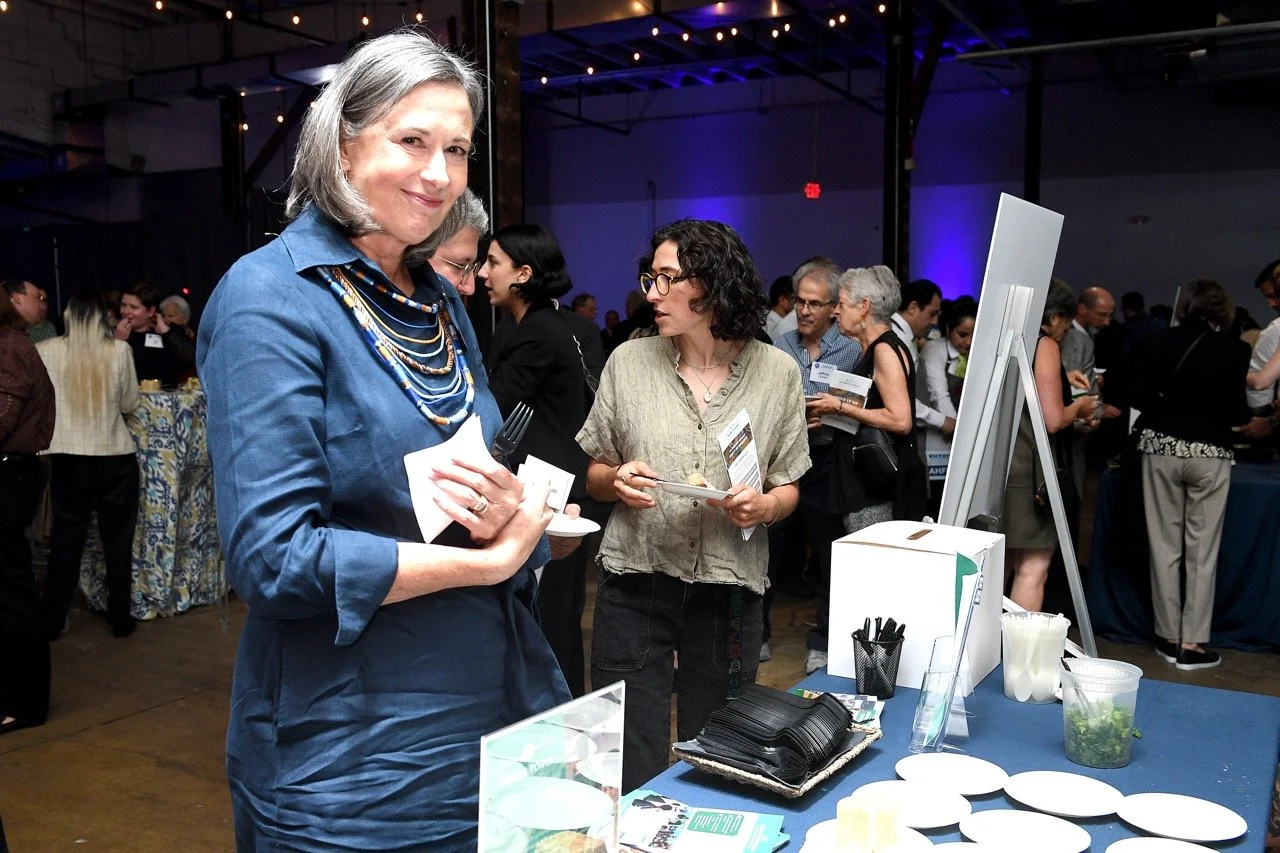
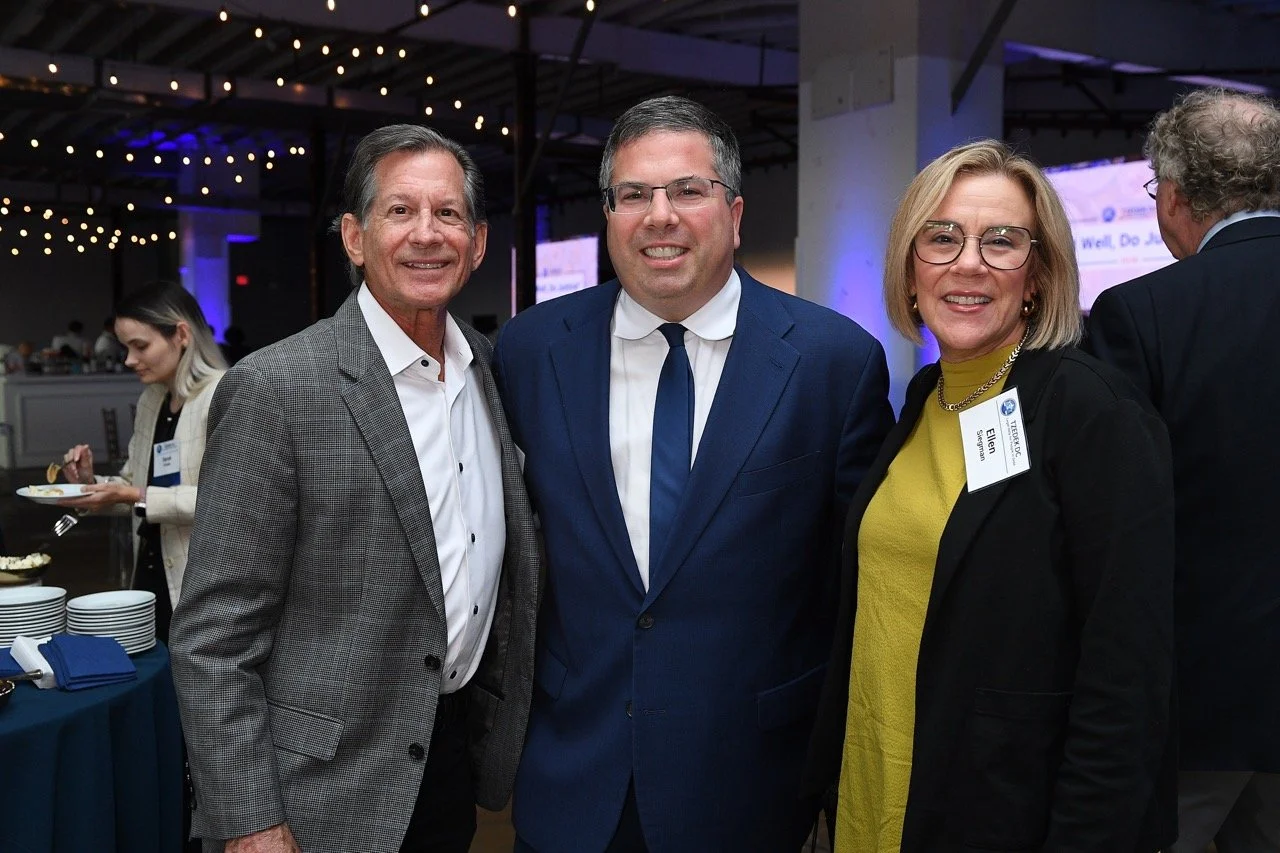
On September 29, Tzedek DC held our ninth annual Eat Well, Do Justice!® celebration. We are enormously grateful for the outpouring of support reflected at the event, which helped us raise over $350,000—and still counting!—in support of our justice mission over the course of a fun, substantive, and tasty evening. A huge thank you to all who made the evening a special one!

Gifts to Tzedek DC this month are being matched thanks to the extraordinary generosity of several anonymous donors. The match extends up to $18,000 and has not yet closed, and proceeds will support the growth of our legal and financial counseling programs, systemic change, and community education work as we are asked by the community to continue to expand our reach. Please consider donating now to double the impact of your gift!

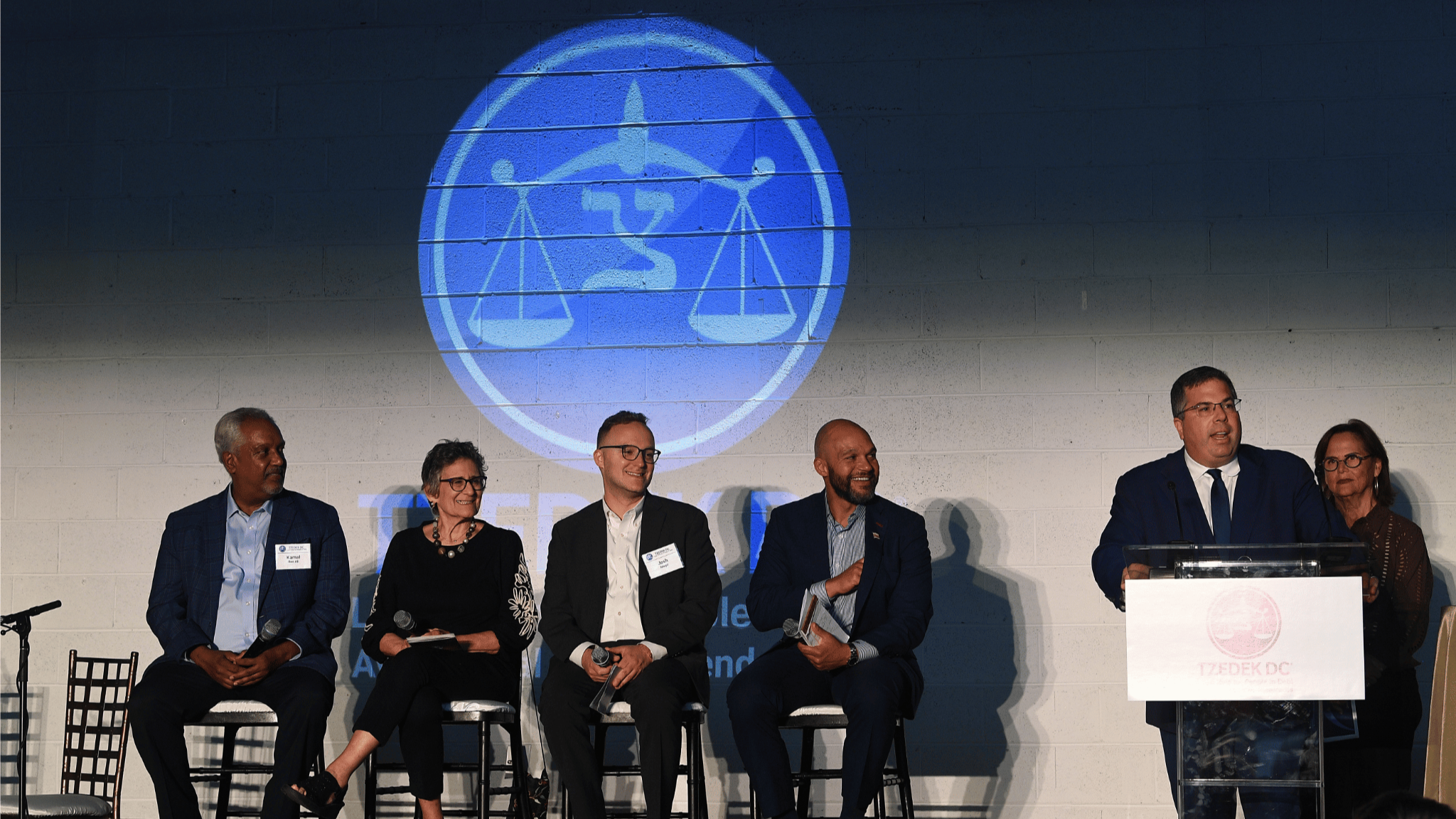
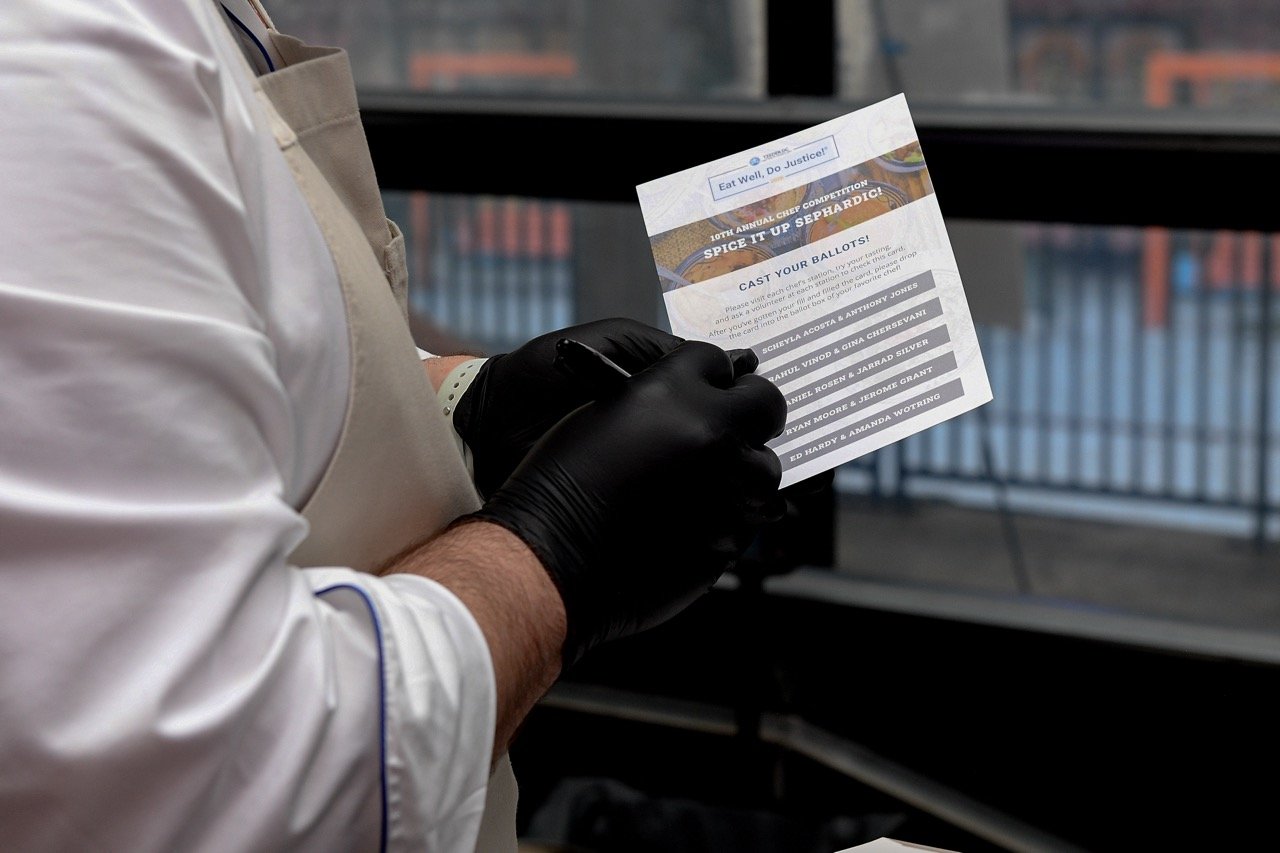
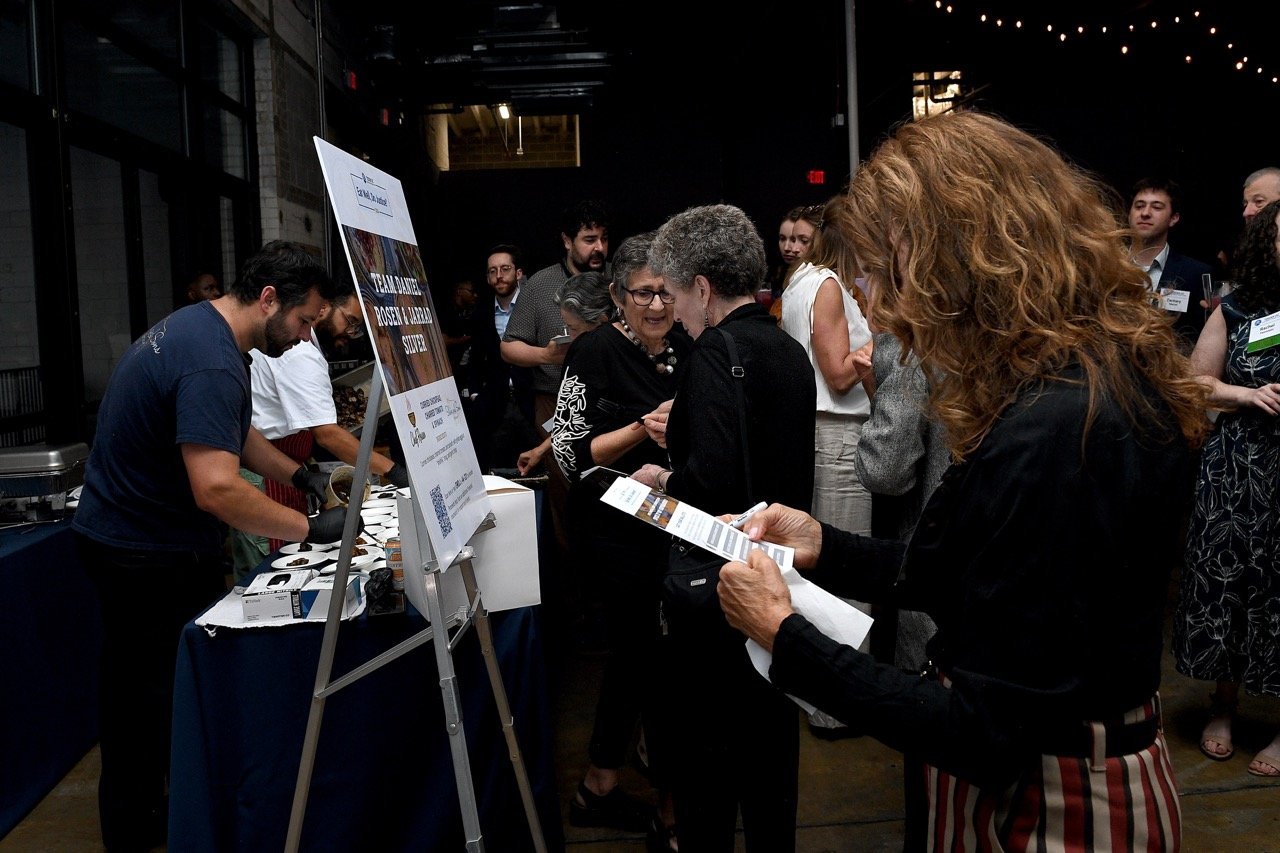
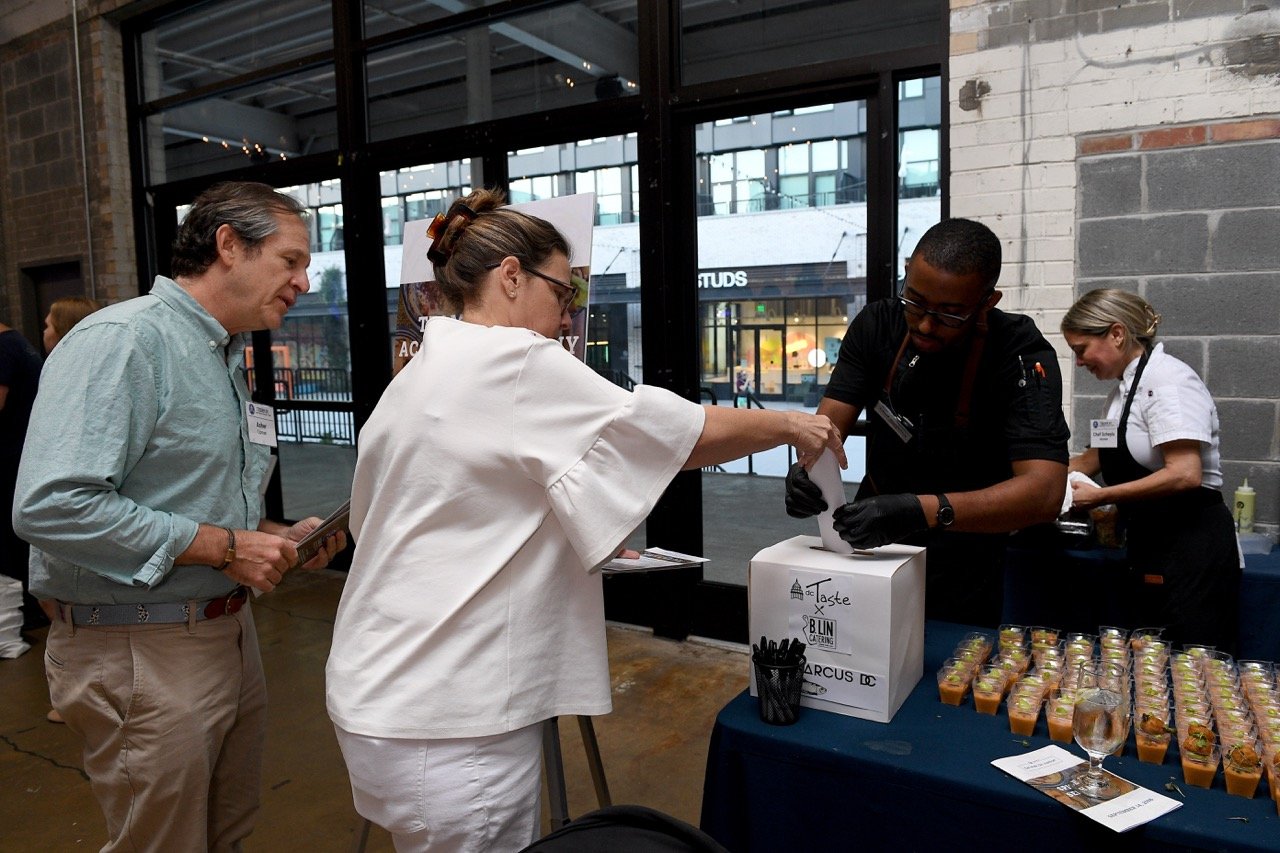
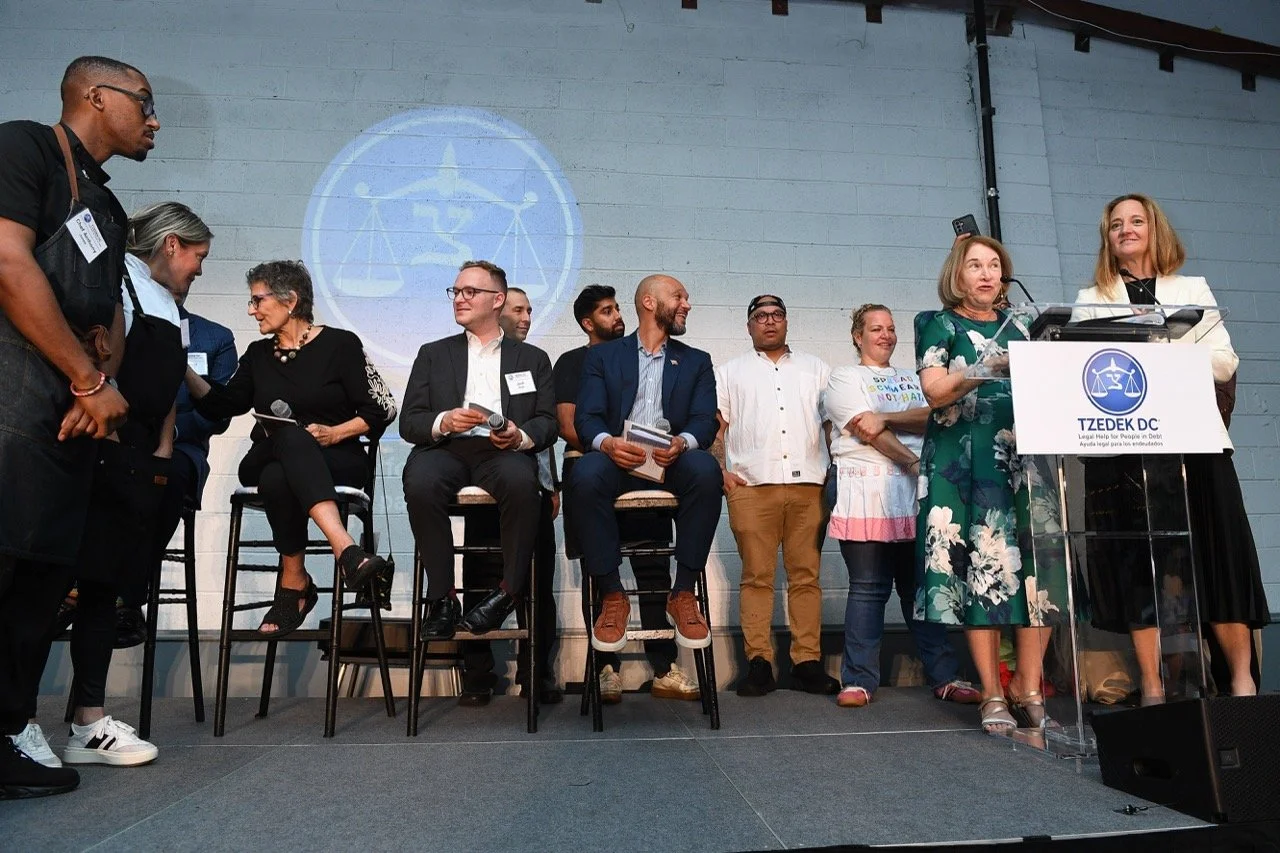
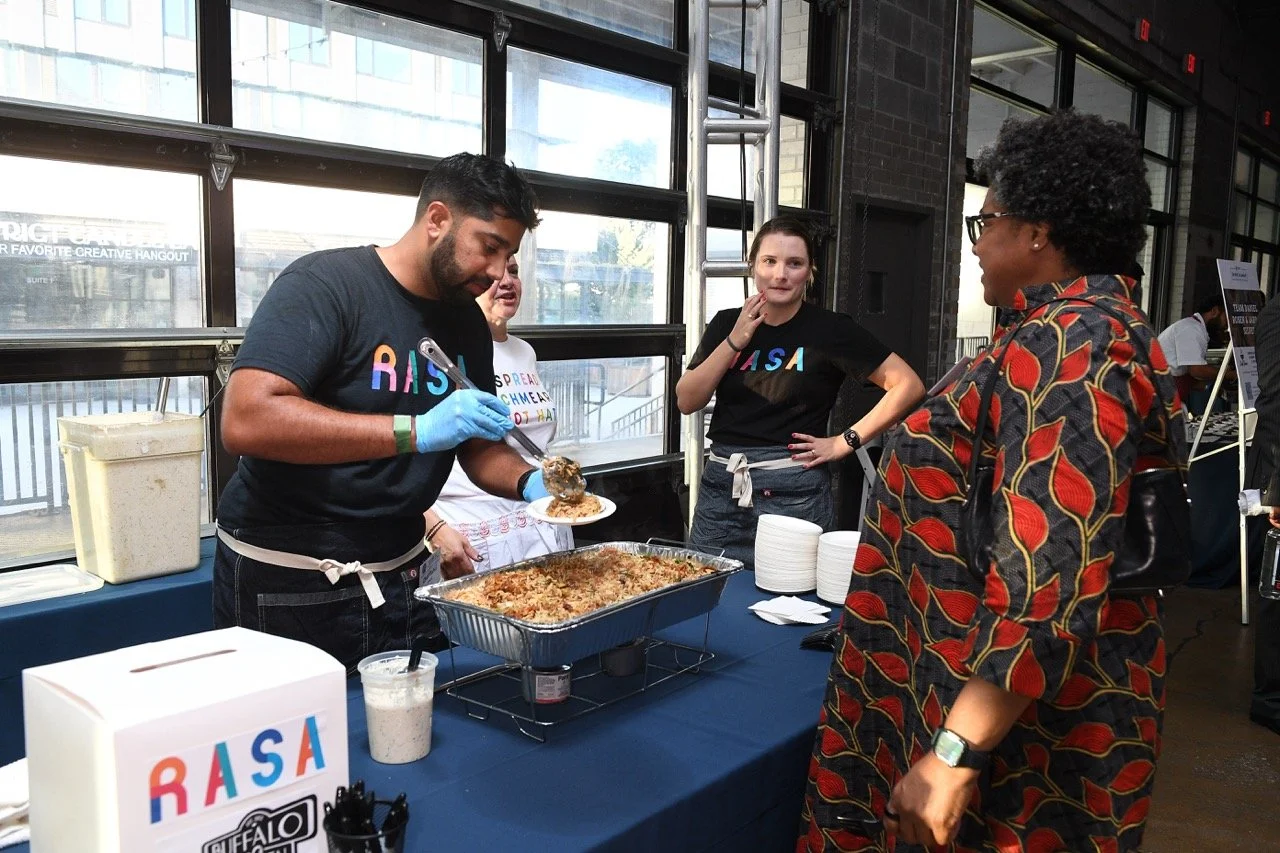
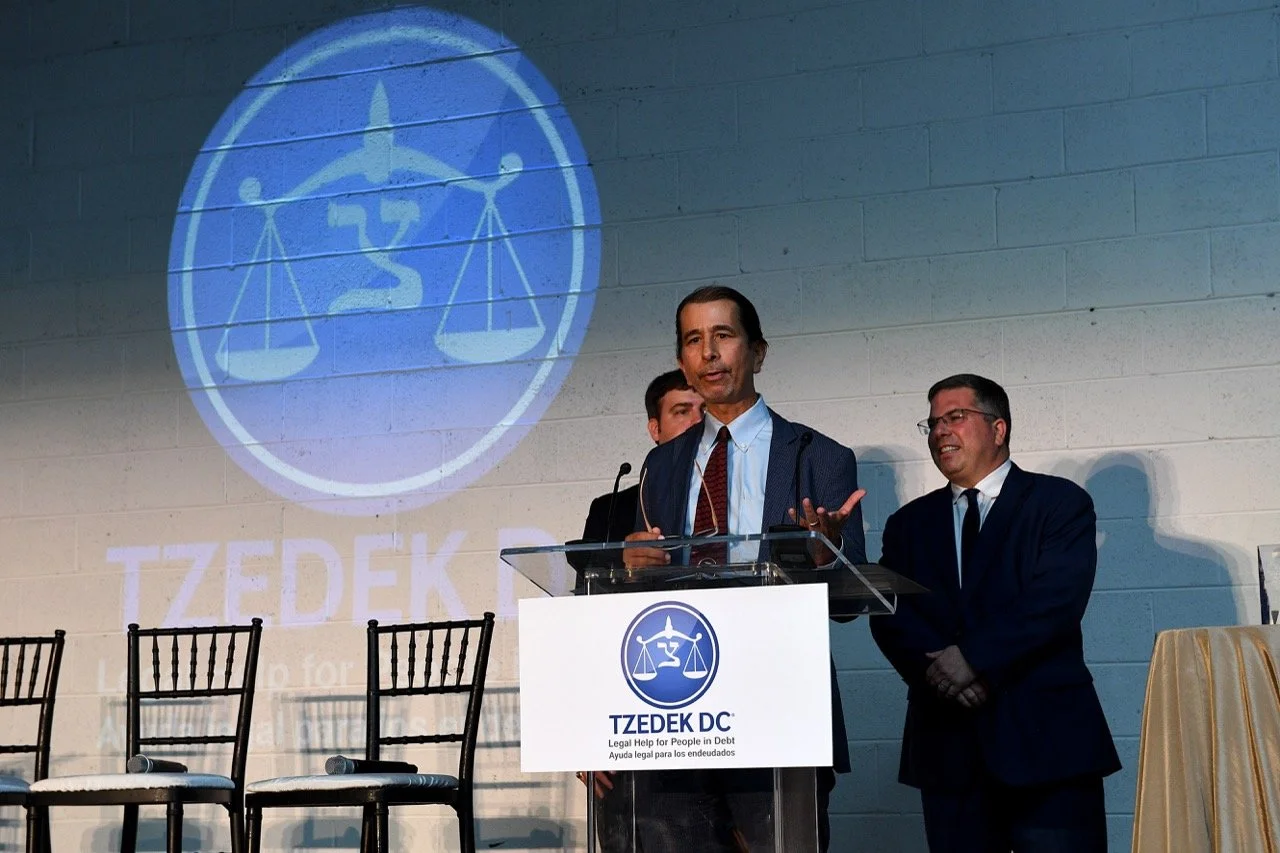
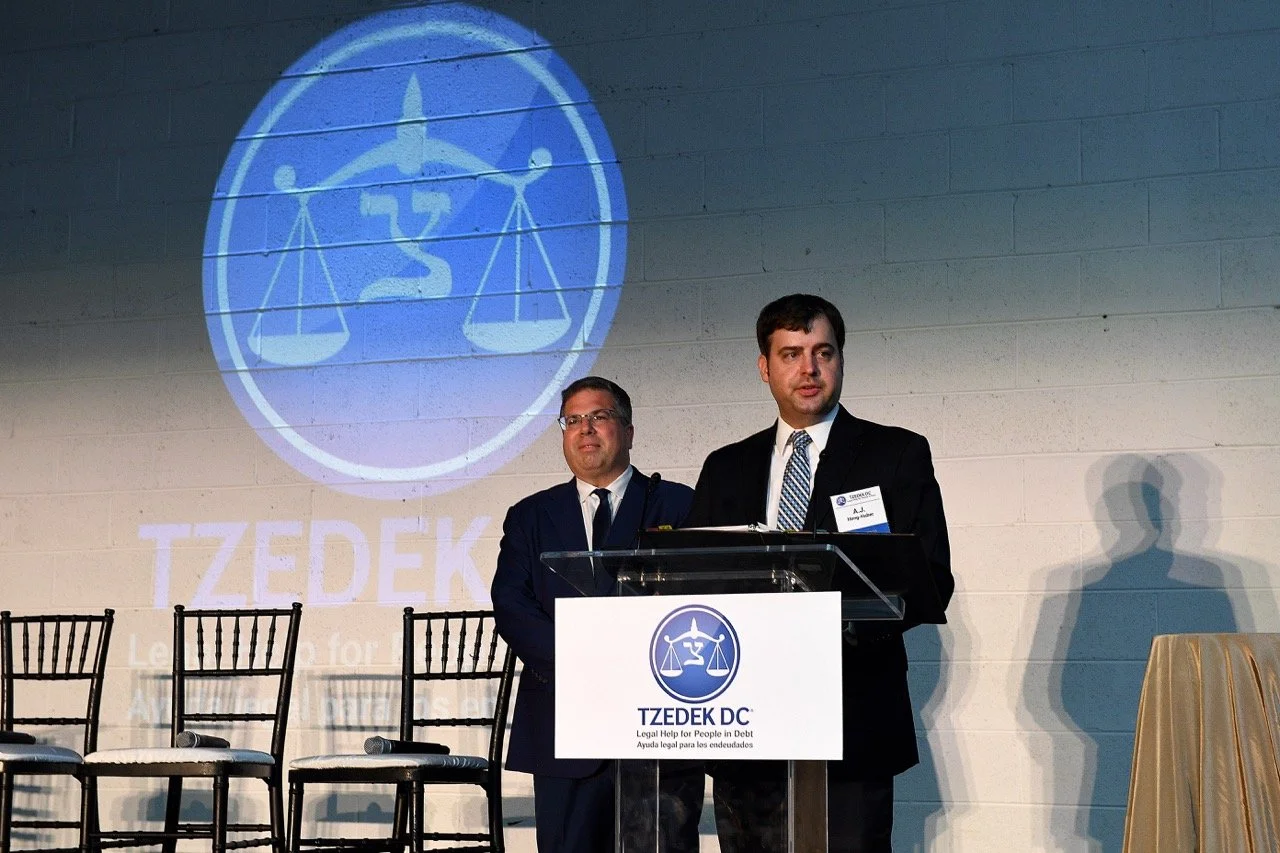
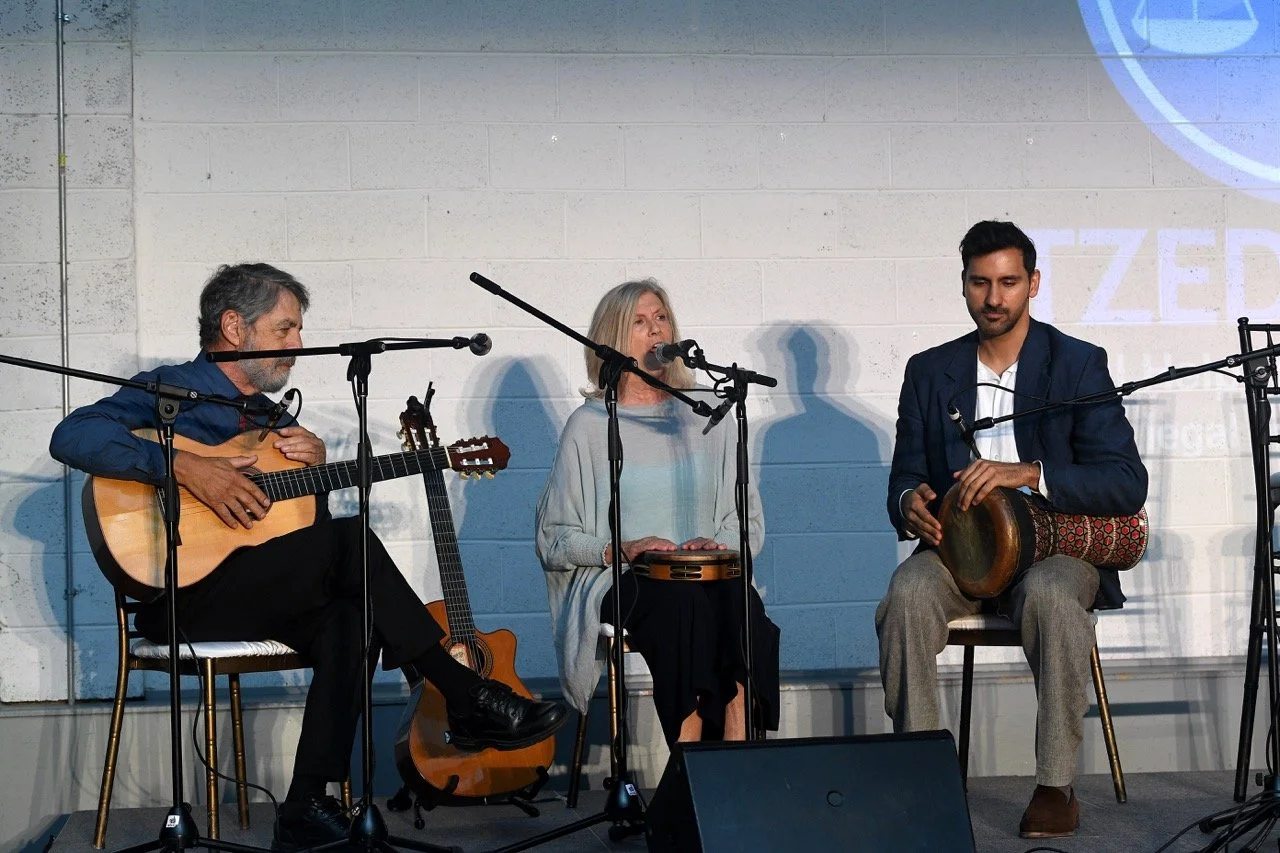
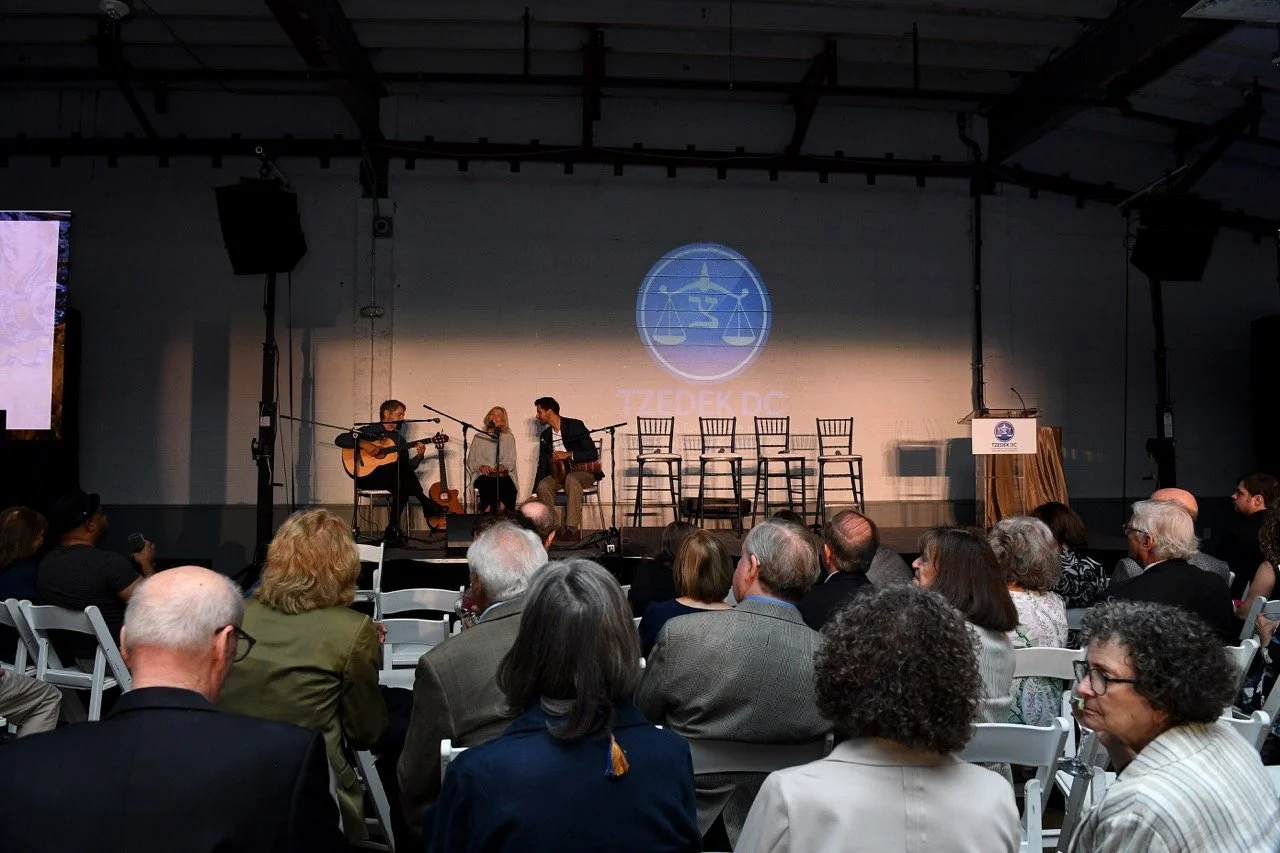
Following the reception, where guests tried the competing chefs’ apples and honey themed offerings and voted on their favorite, the program kicked off with welcome remarks from Board Chair Rachel Kronowitz. The remarks were followed by a beautiful rendition of the Hebrew and Arabic peace song Salaam (Od Yavo Shalom Aleinu) led by Michael Berkson on guitar and vocals.

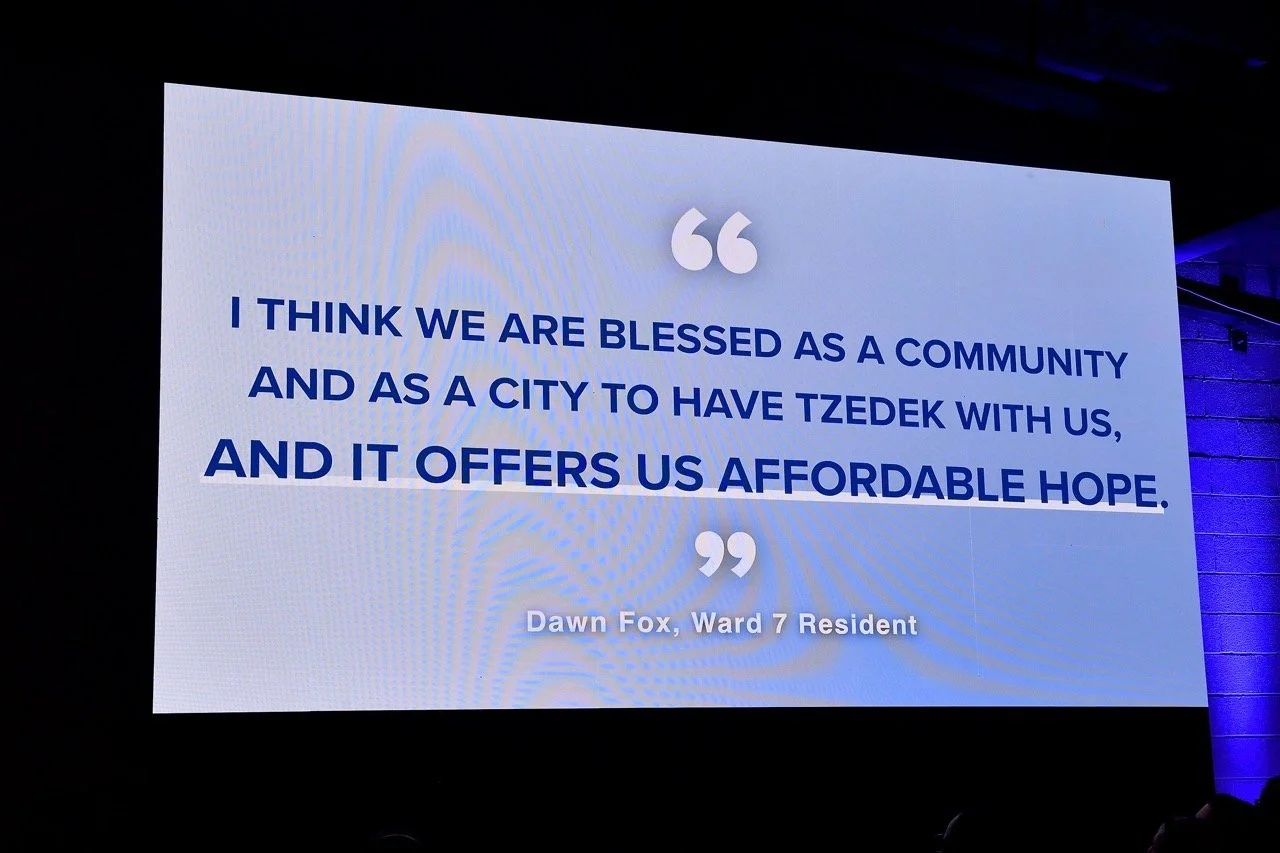
Attendees then heard from Yewoinhareg (Yoyo) Kebede, a 2024 graduate of Tzedek DC’s Financial Empowerment Program, who was introduced by Program Coordinator Sophie Adler and Outreach Coordinator Stephen Jefferson. Yoyo shared the impact that the program had on her life and the lives of her fellow participants, including how Tzedek DC’s financial counselor “helped me approach [money] with confidence instead of fear.”

The good energy kept going with a rendition of Michael Jackson’s Keep the Faith, led by Broadway singer Willis White on lead vocals. Willis was joined by Dan Neustadt on keyboard and Emily Geller on percussion, as well as alumni of the Washington Performing Arts Children of the Gospel Choir, Hilary Daniel, Angela Jones, Davina McKoy, and David Powell.

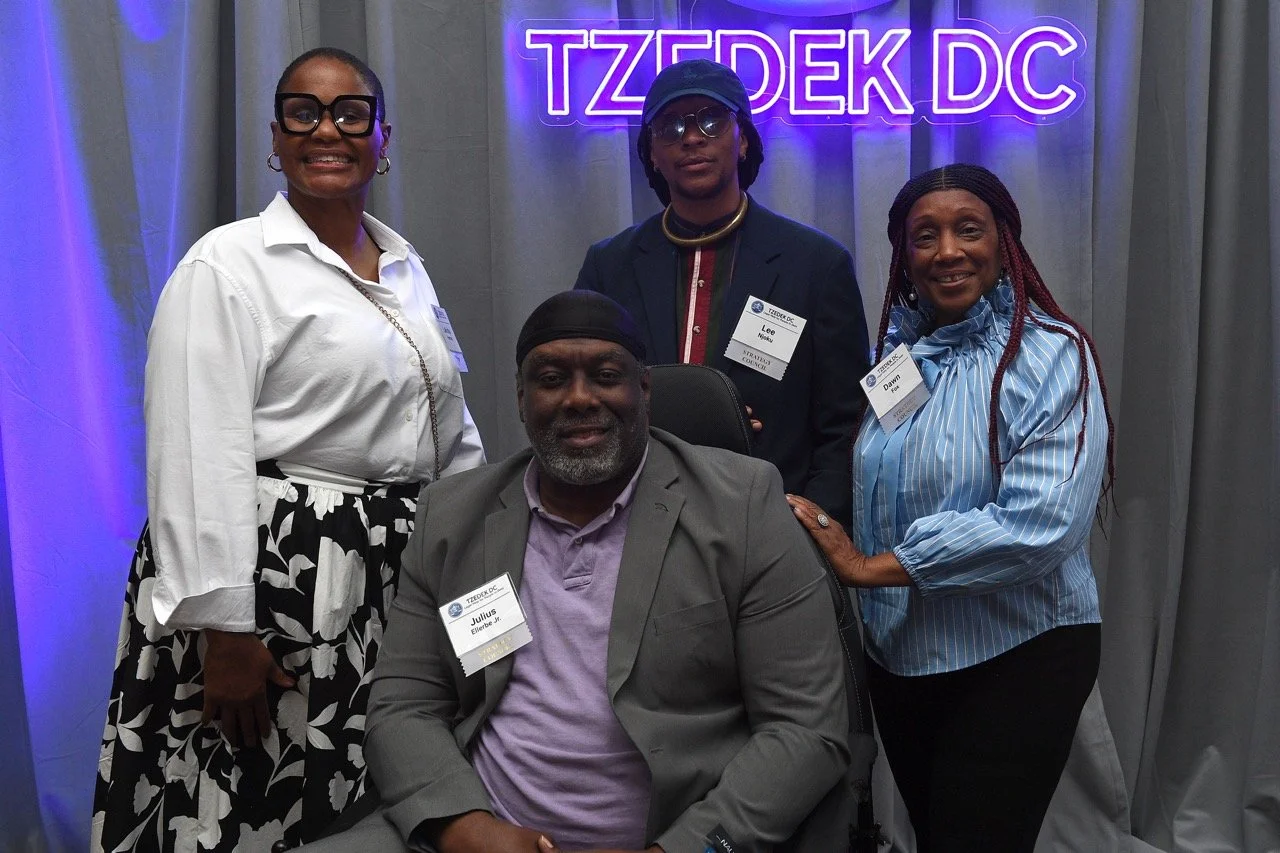
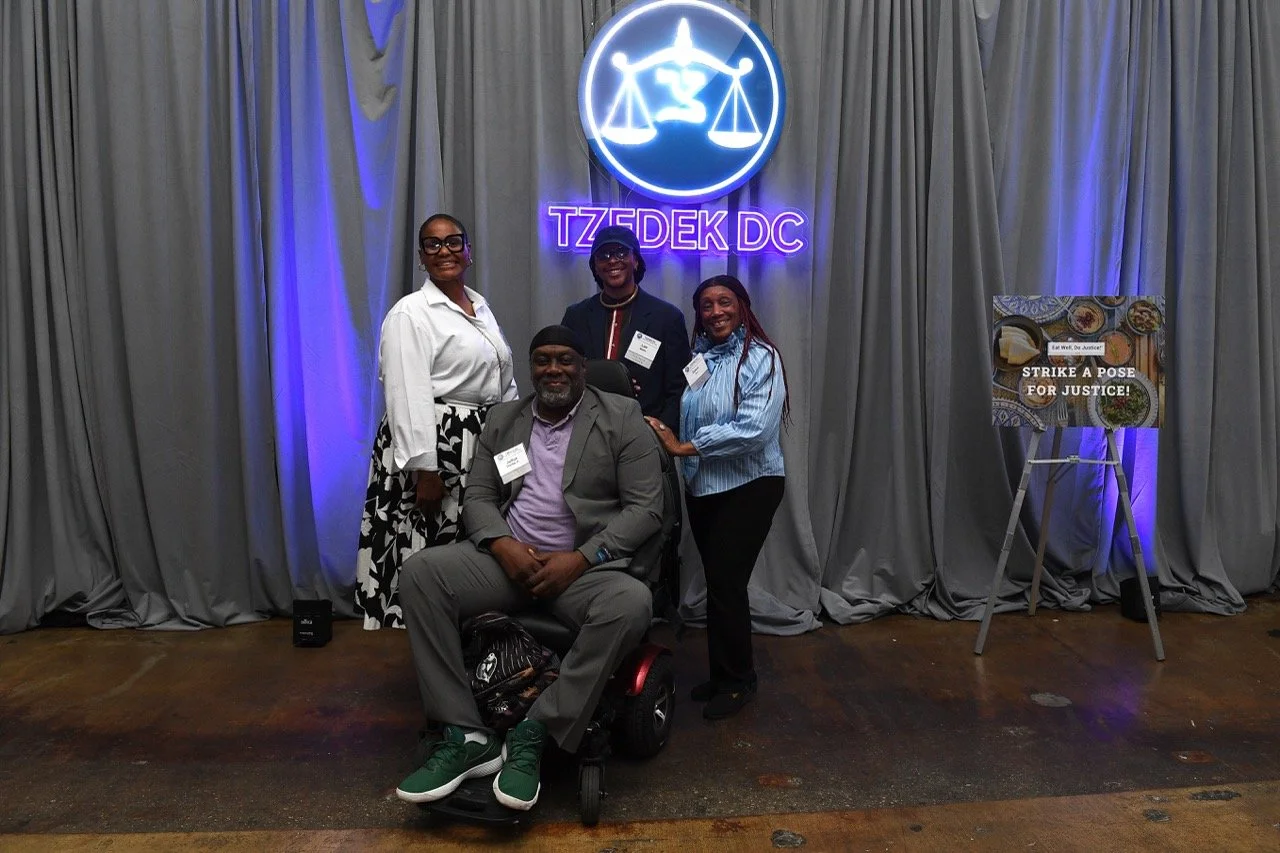
Founding President & Director-Counsel Ariel Levinson-Waldman connected the song to our work, including reflecting on how critical its message of resilience is in 2025. Ariel also shouted out the members of our newly formed Community Strategy Council, who were able to join us for the evening. The Council is made up entirely of members of our client community and will help shape how we do our work and keep us connected to the communities we serve.

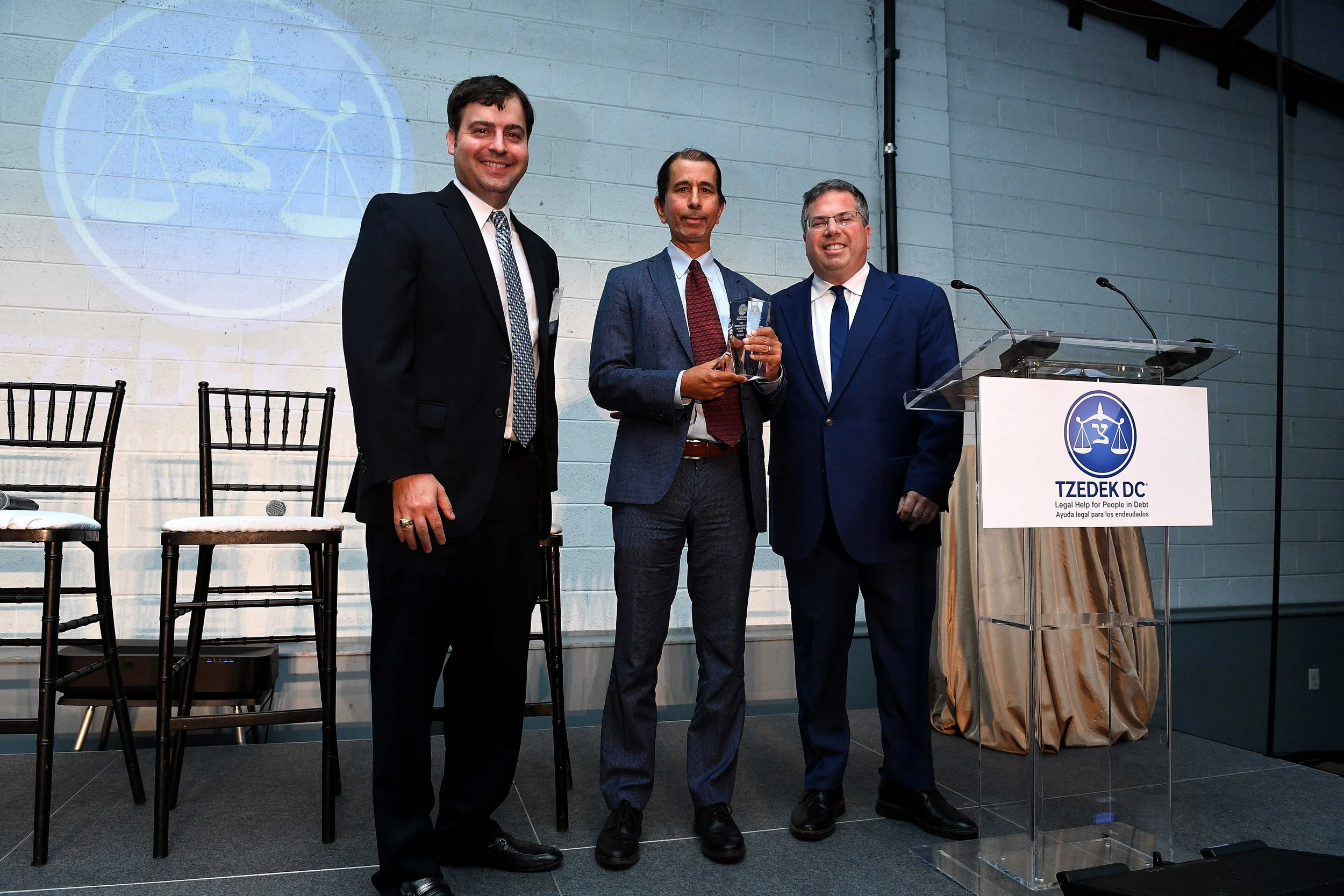
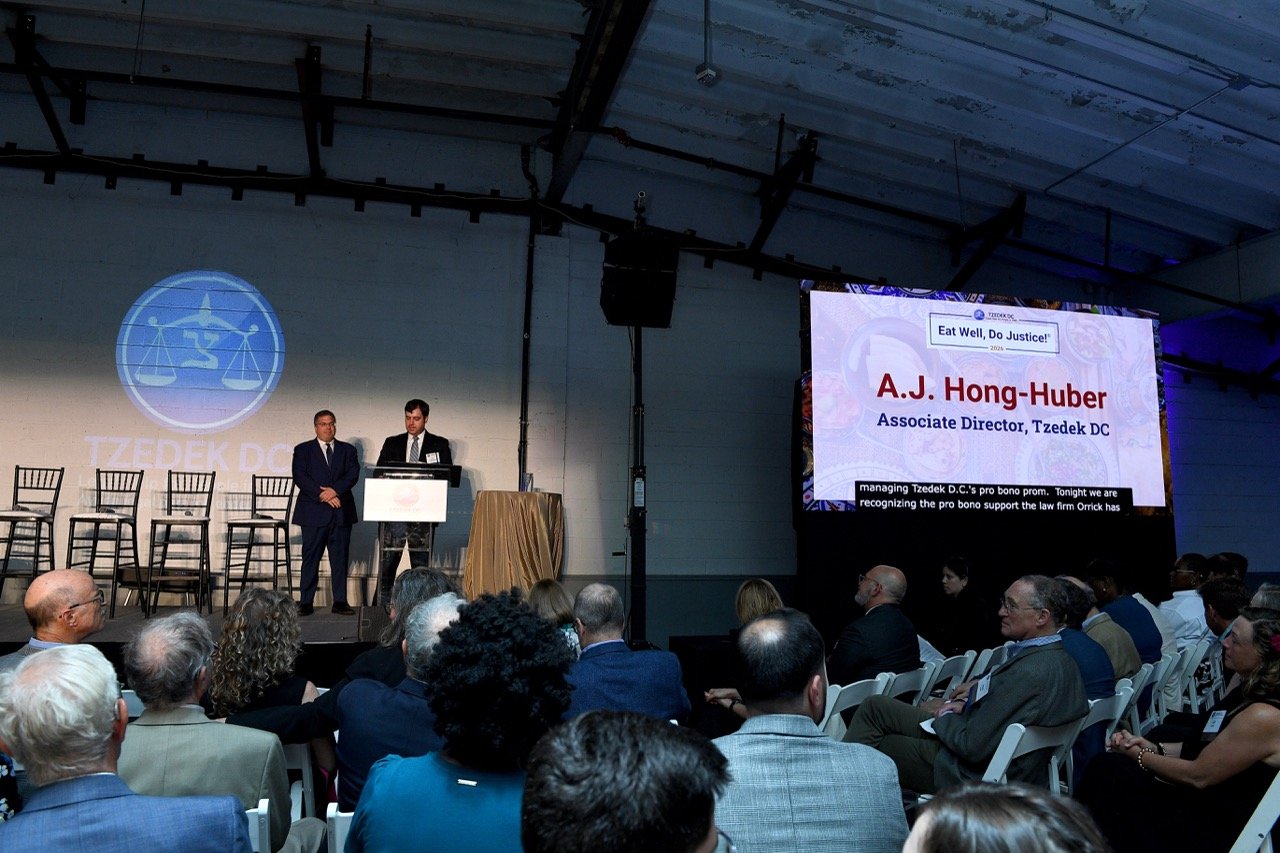
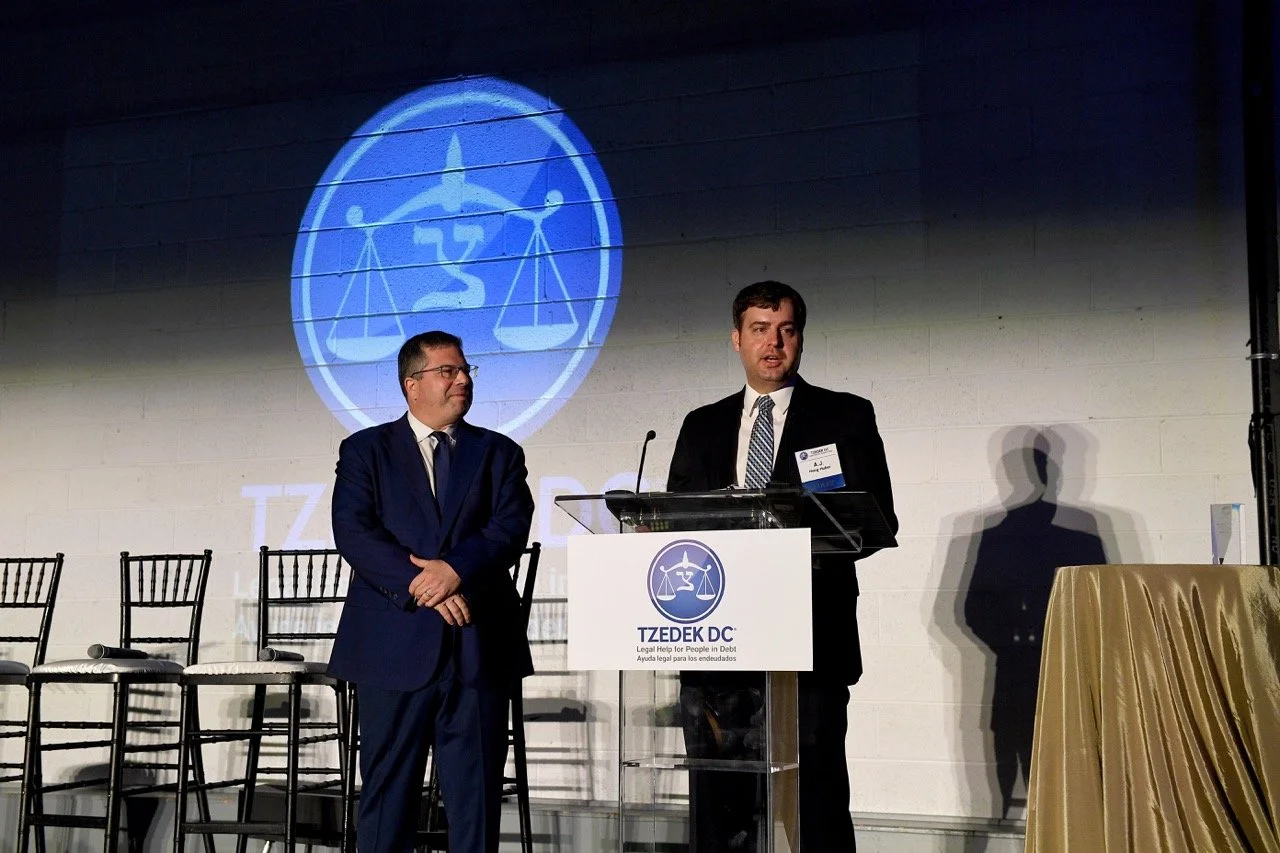
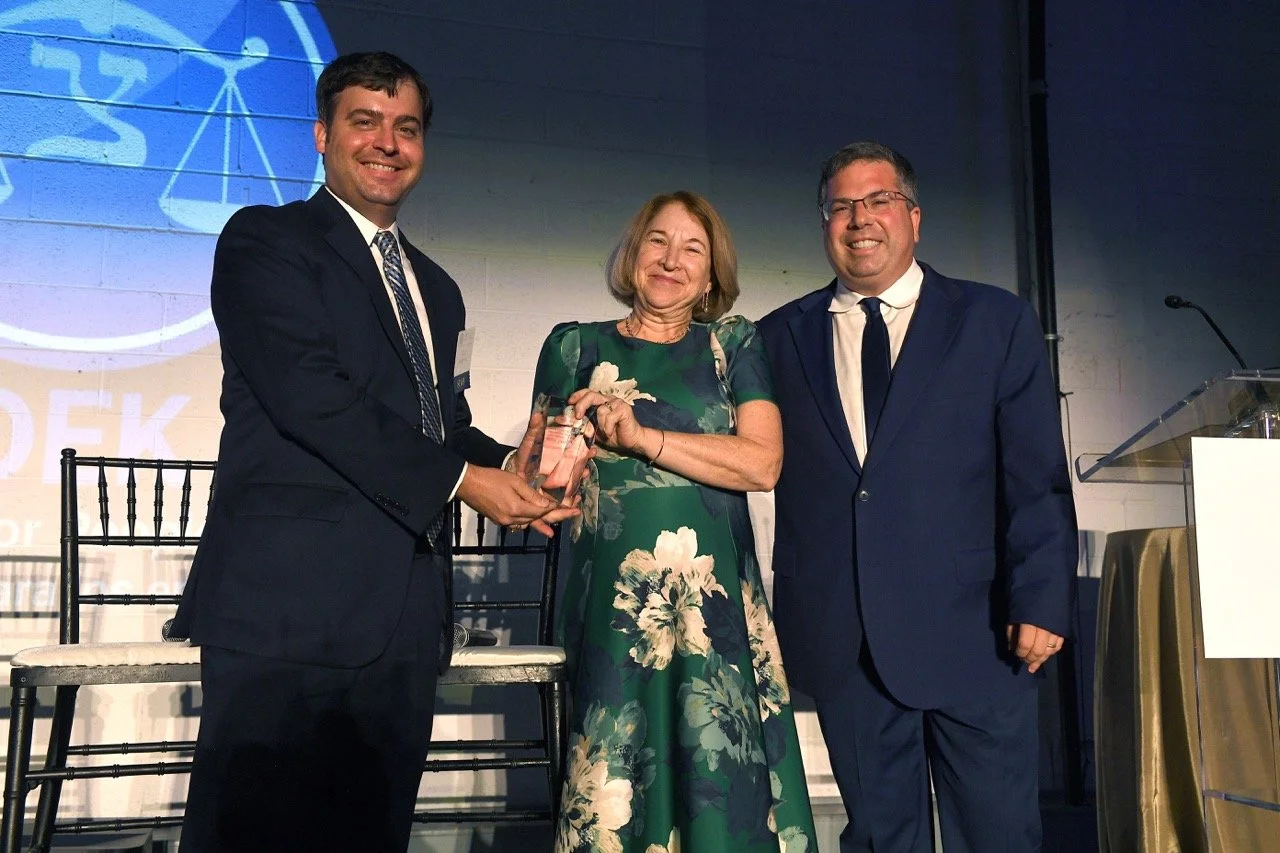
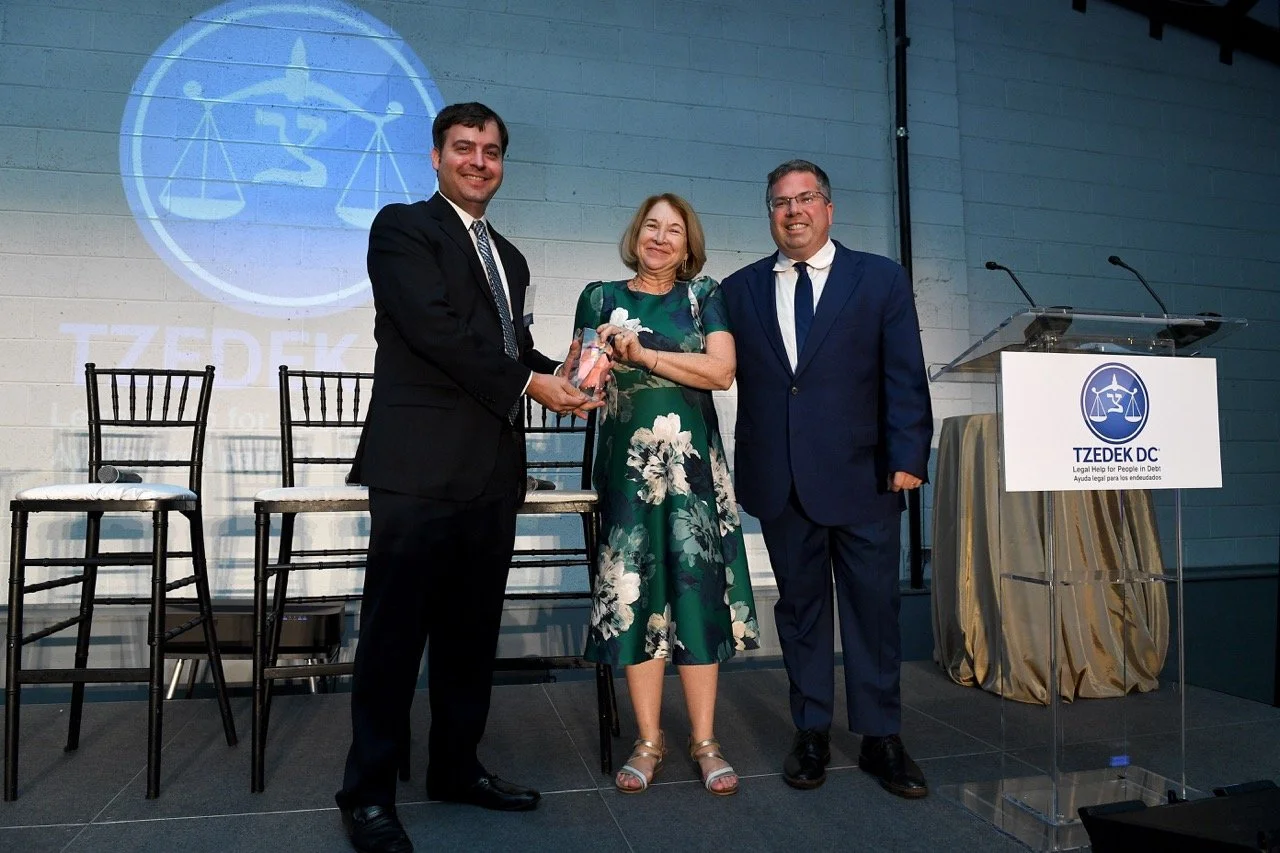
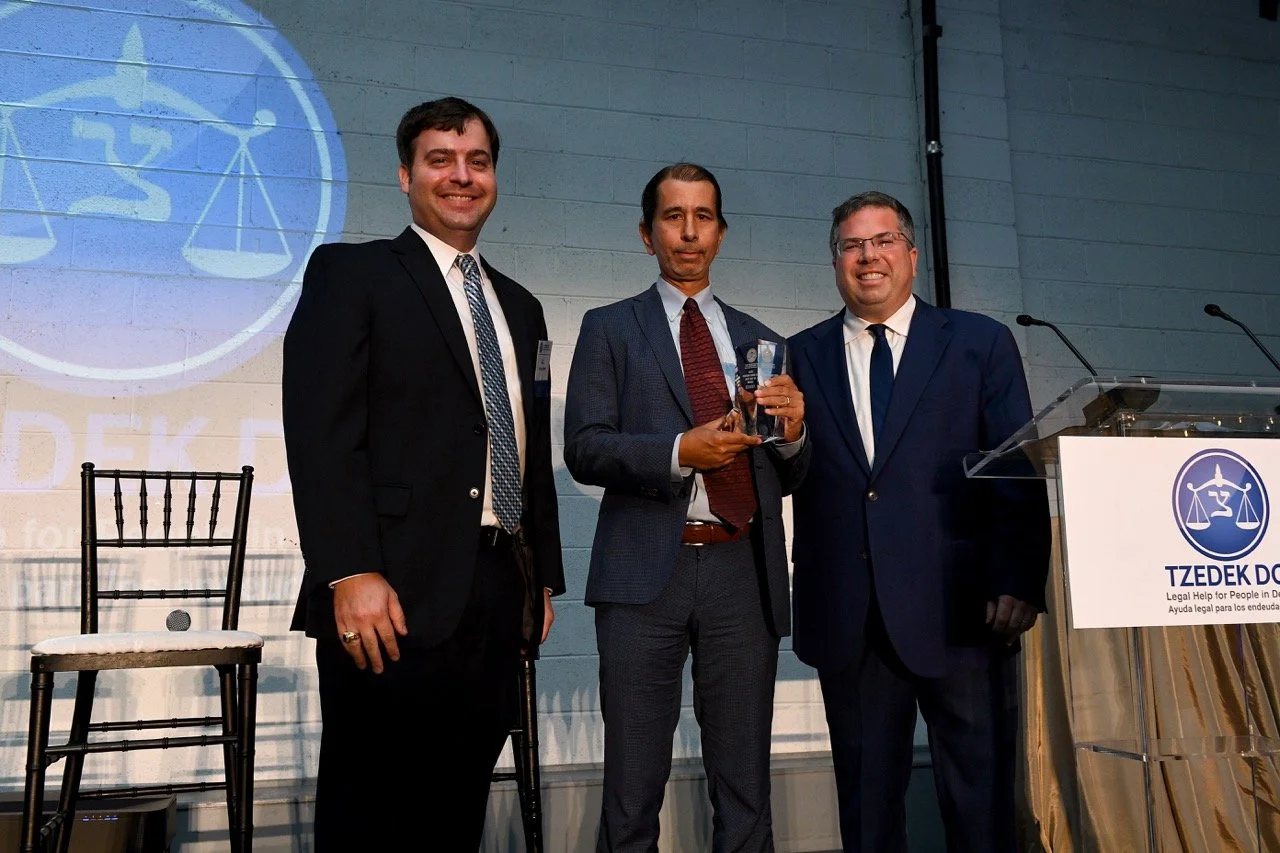
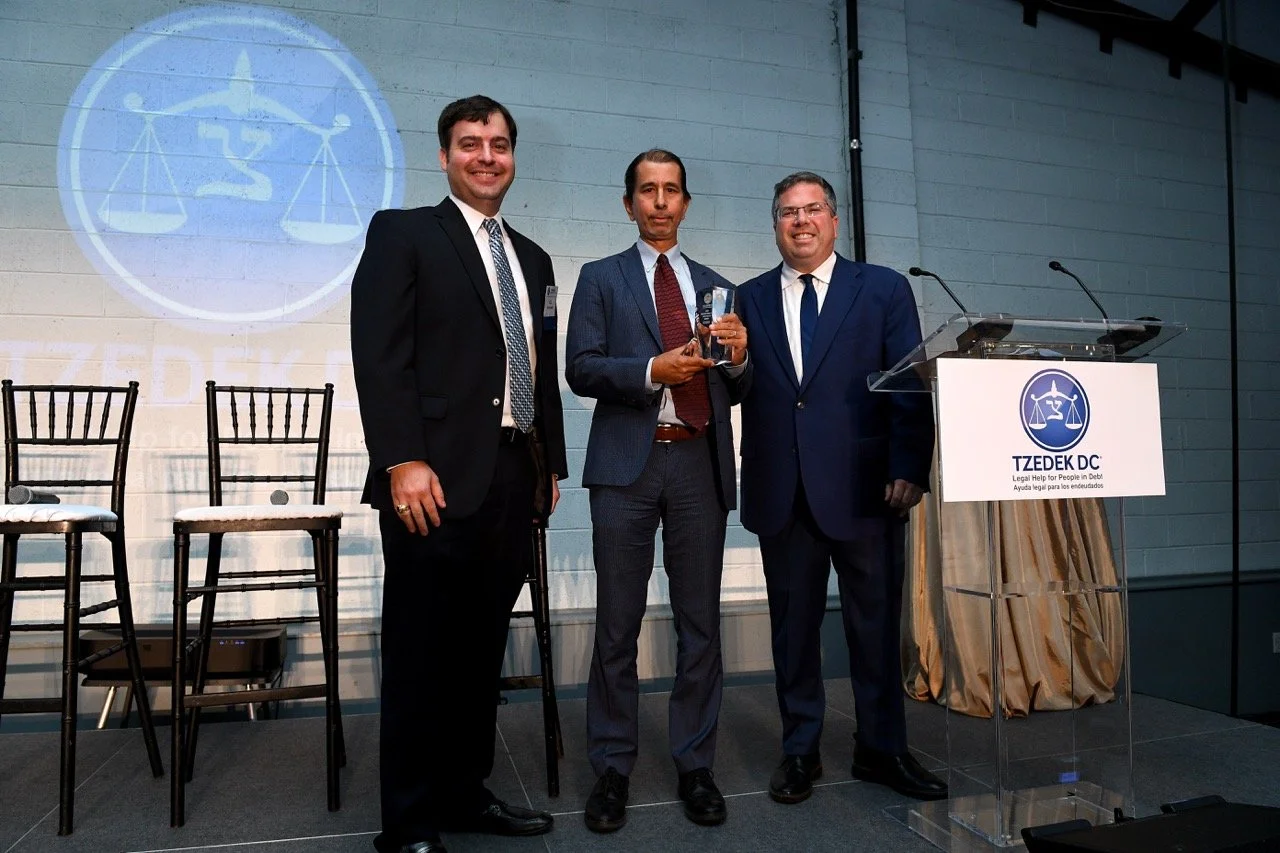
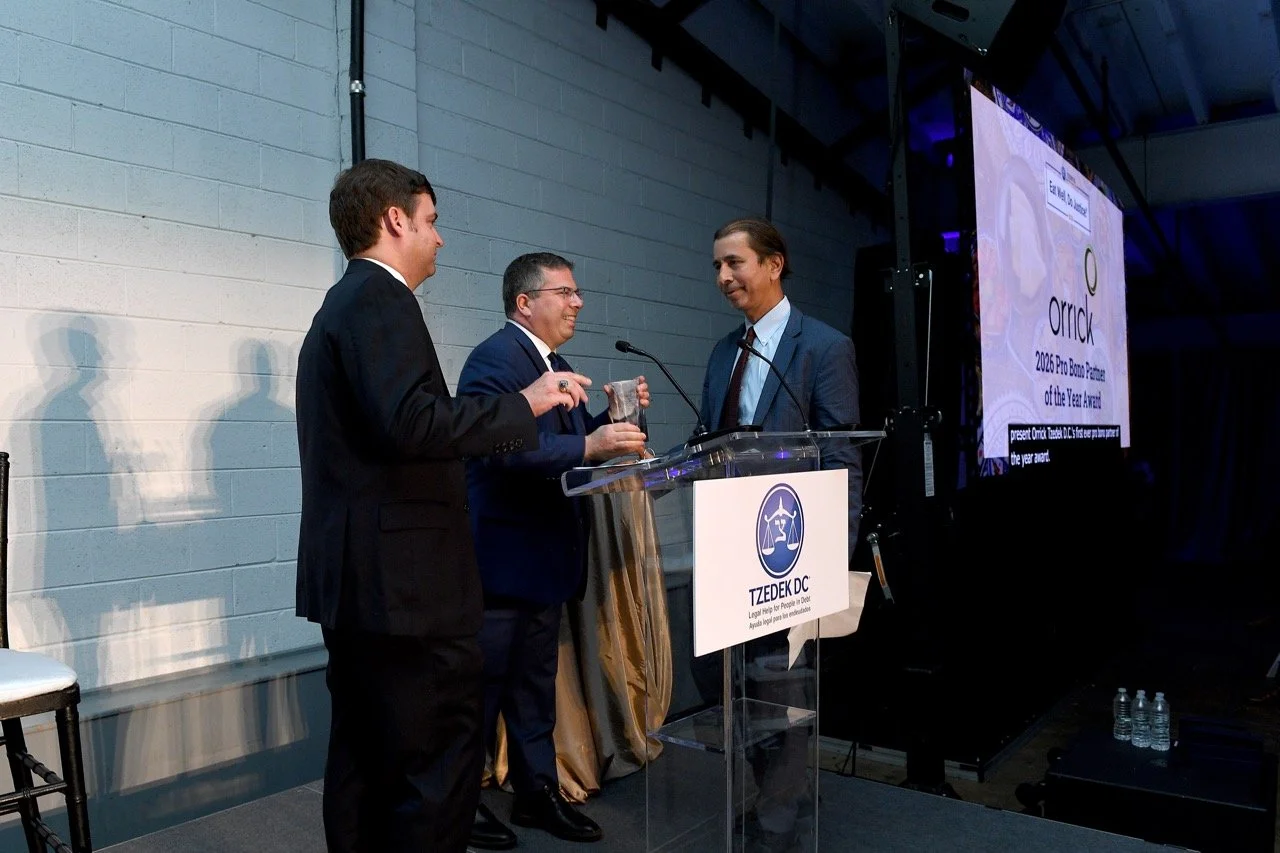
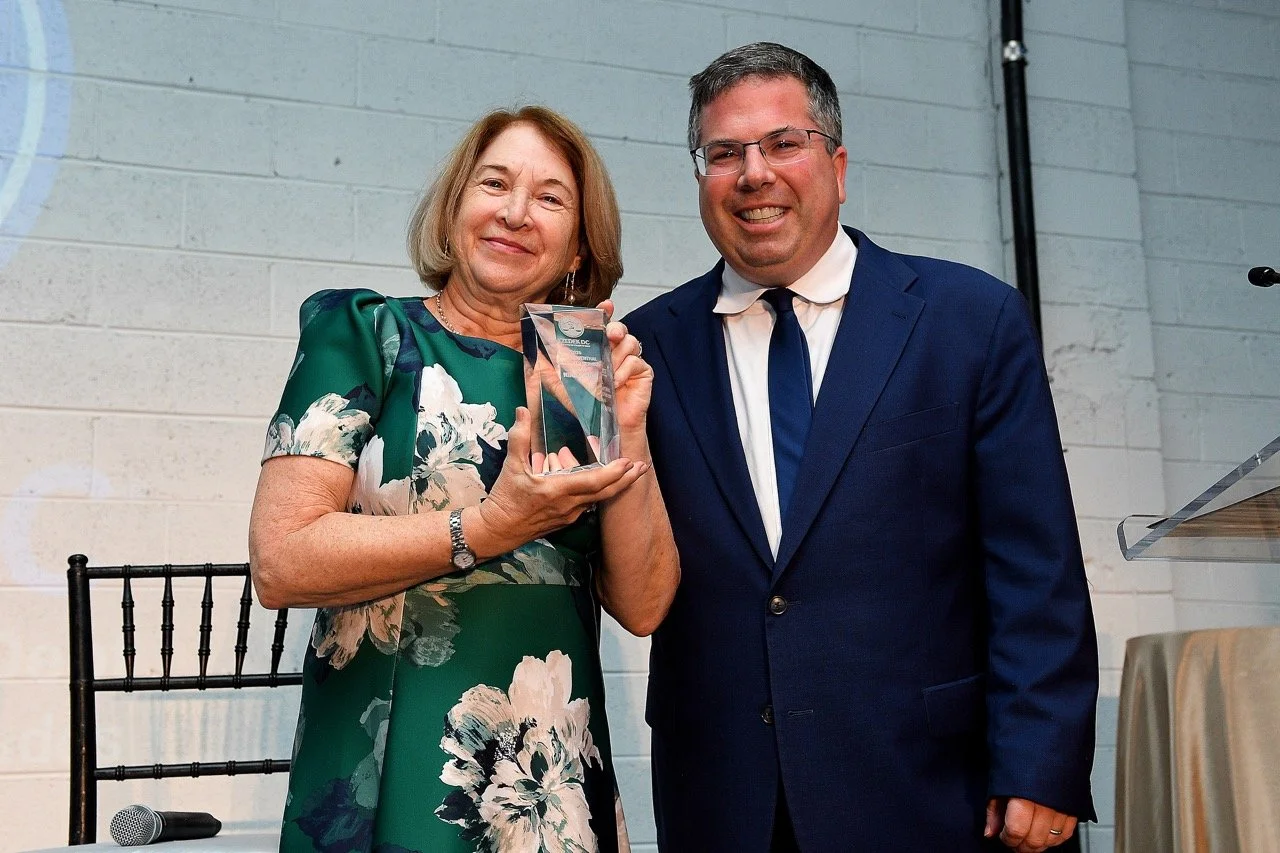
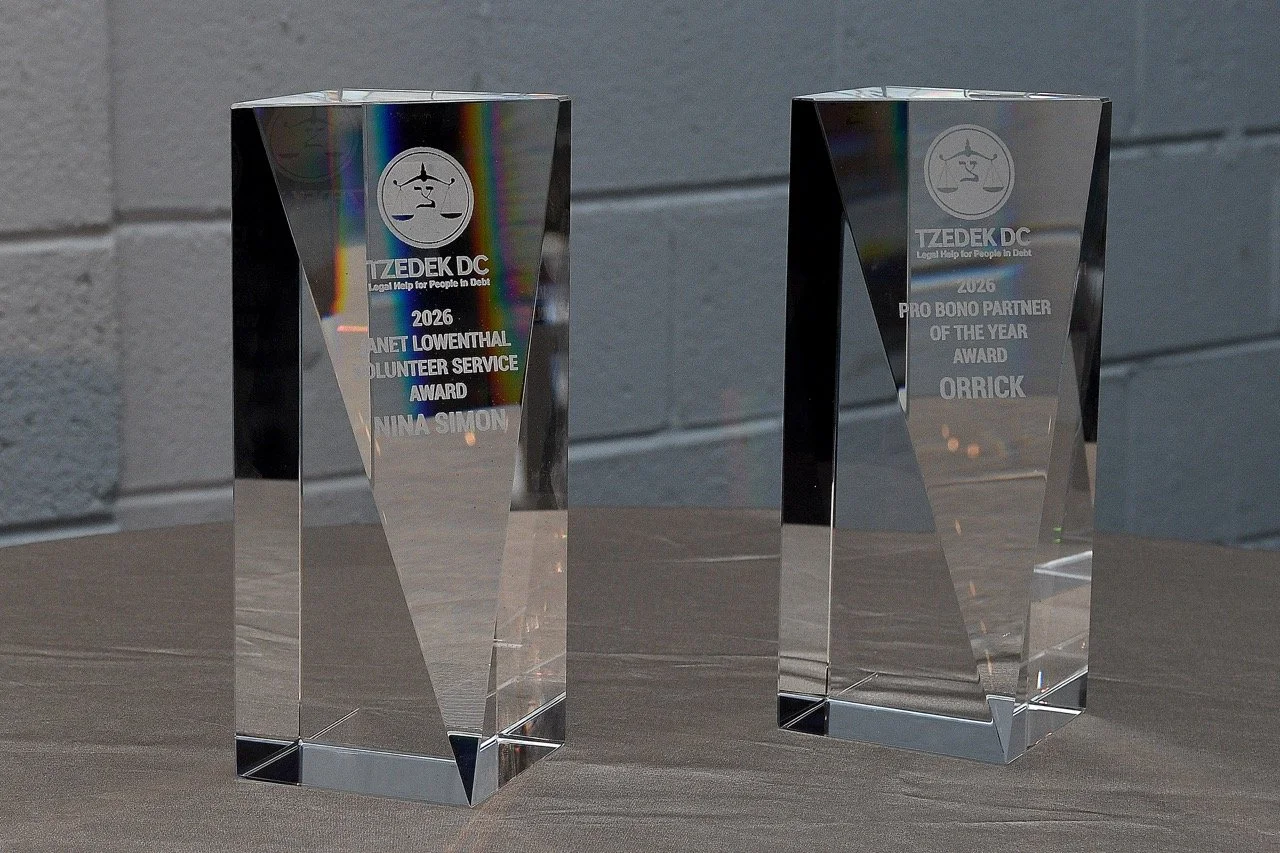
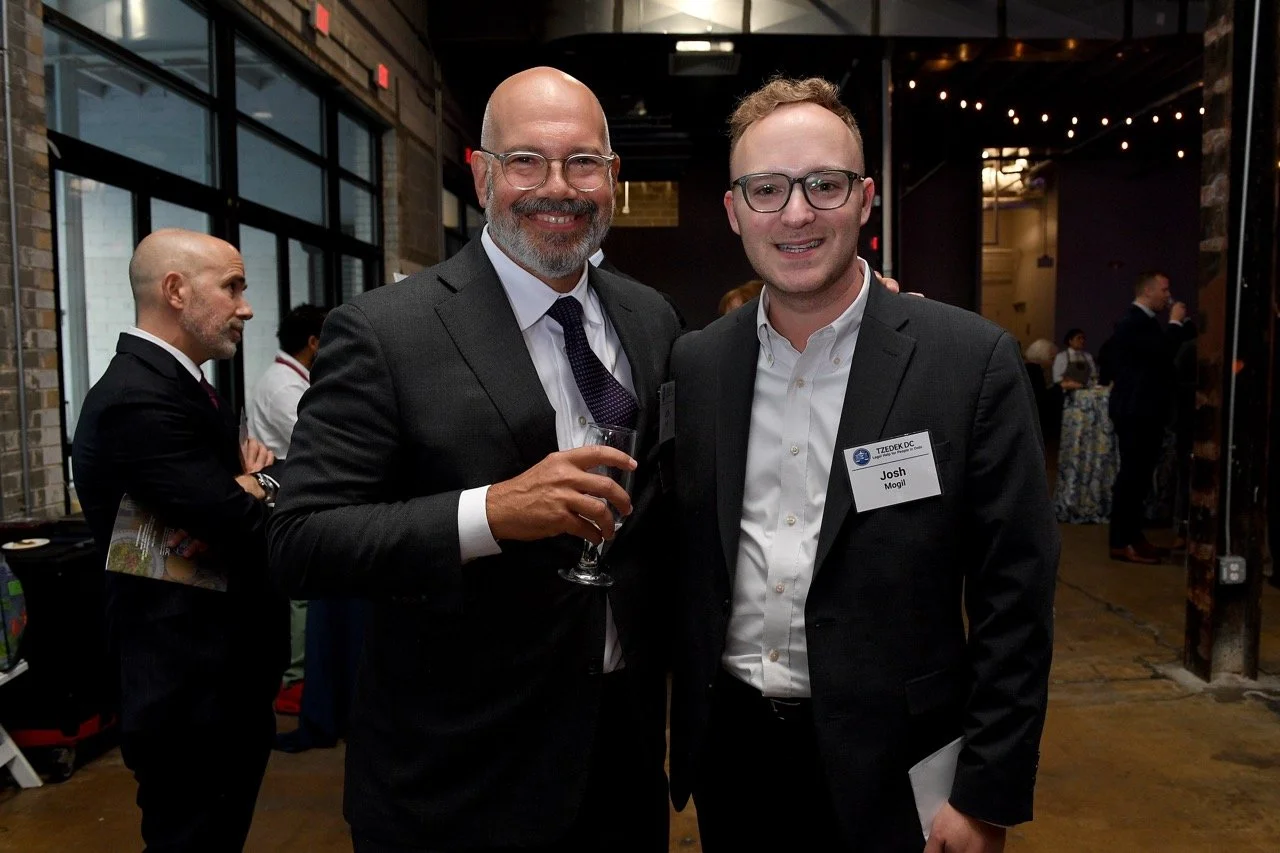
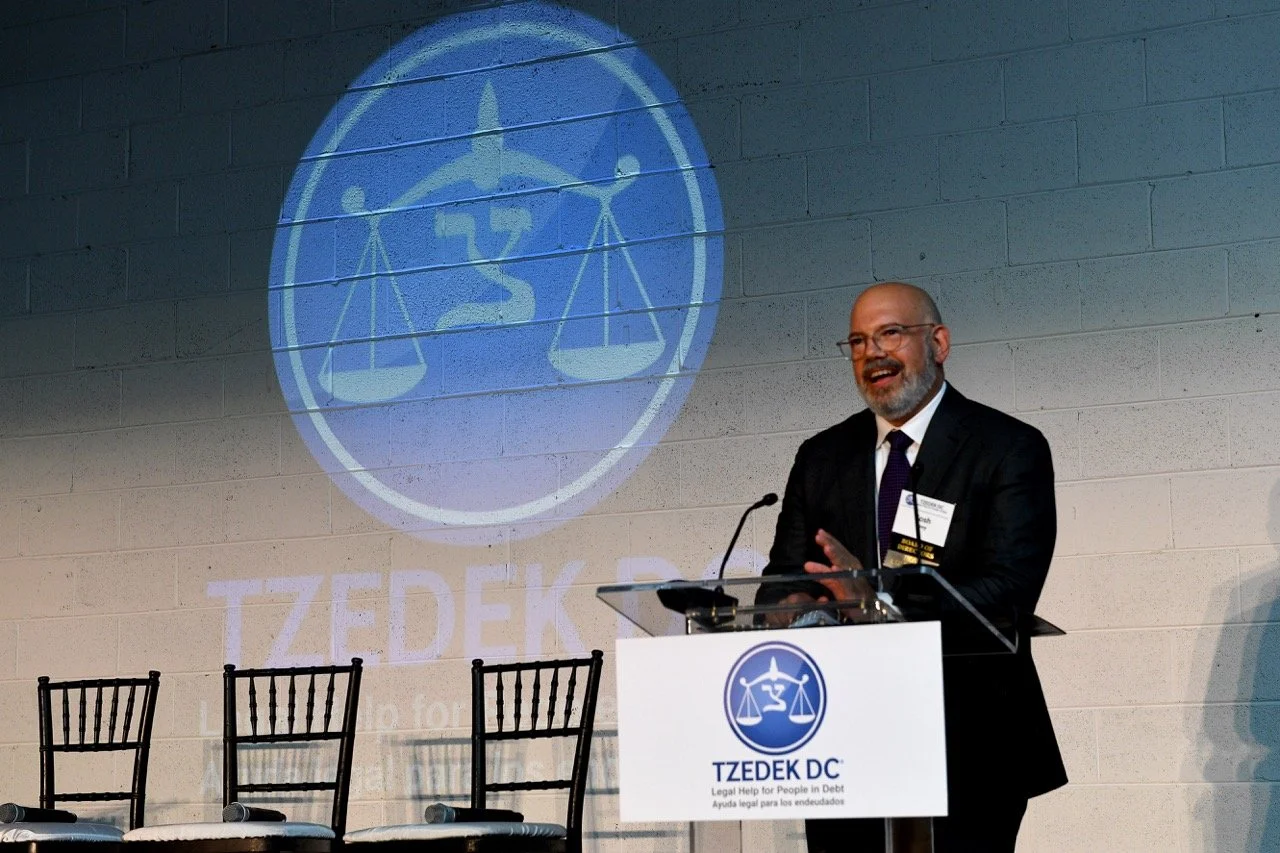
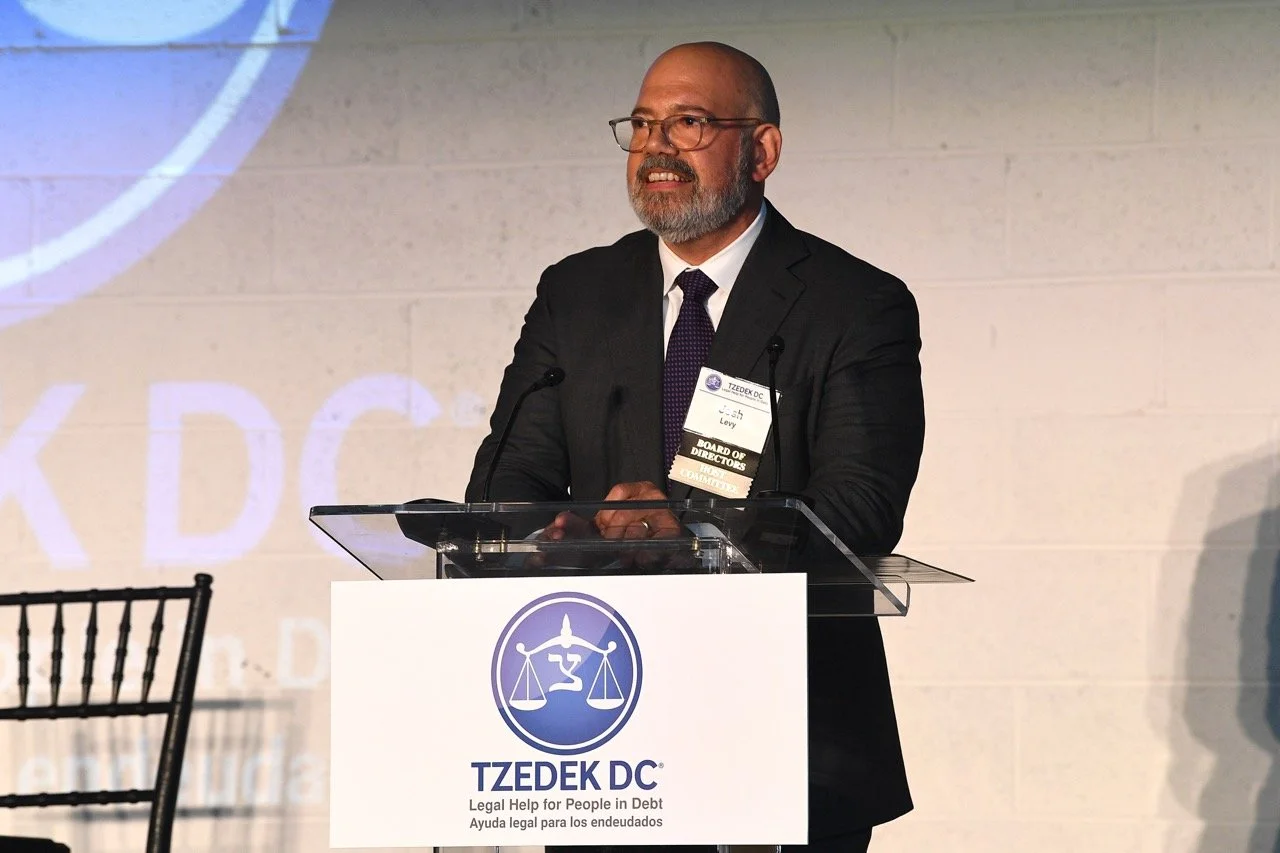
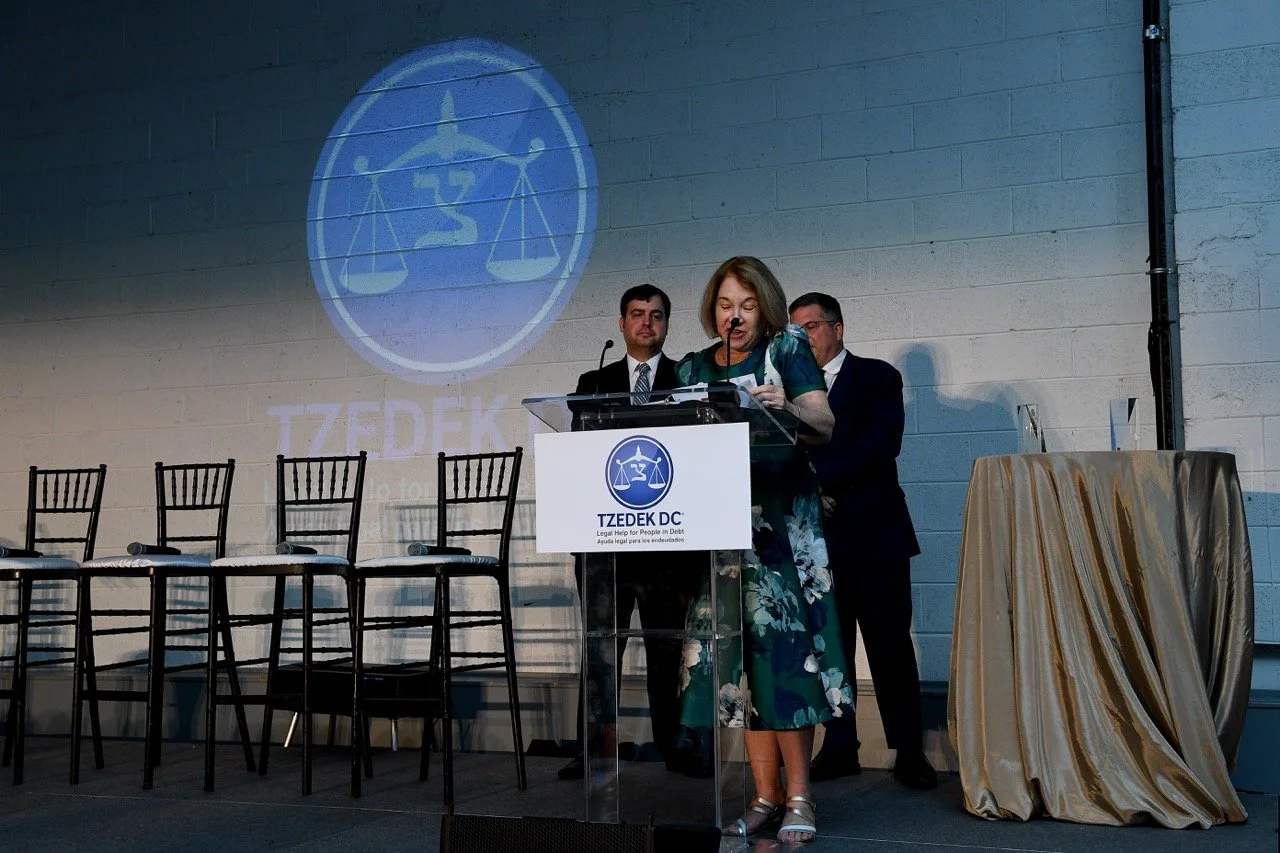
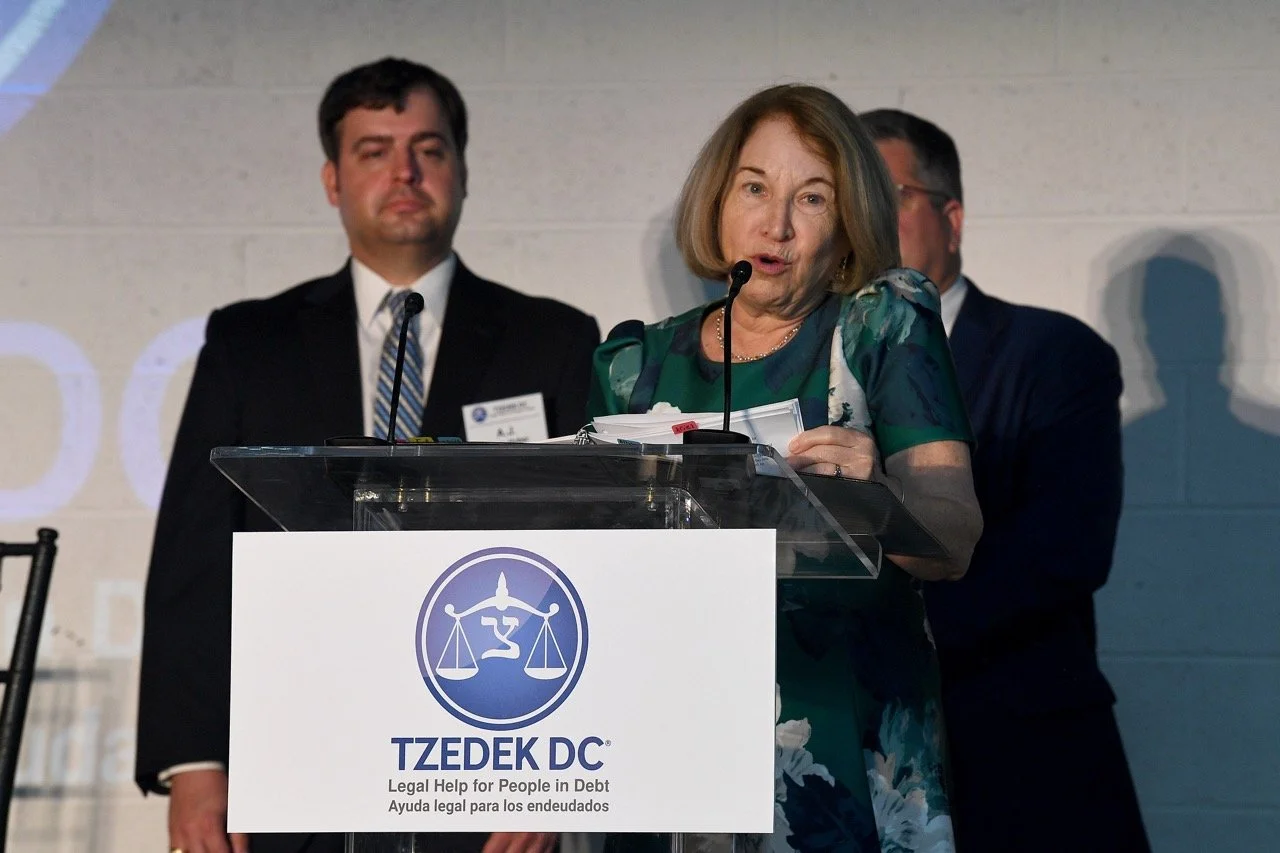
Deputy Director Sarah Hollender presented Volunteer Staff Attorney Joshua Levin with our third-ever Janet Lowenthal Volunteer Service Award, followed by remarks from Josh himself.

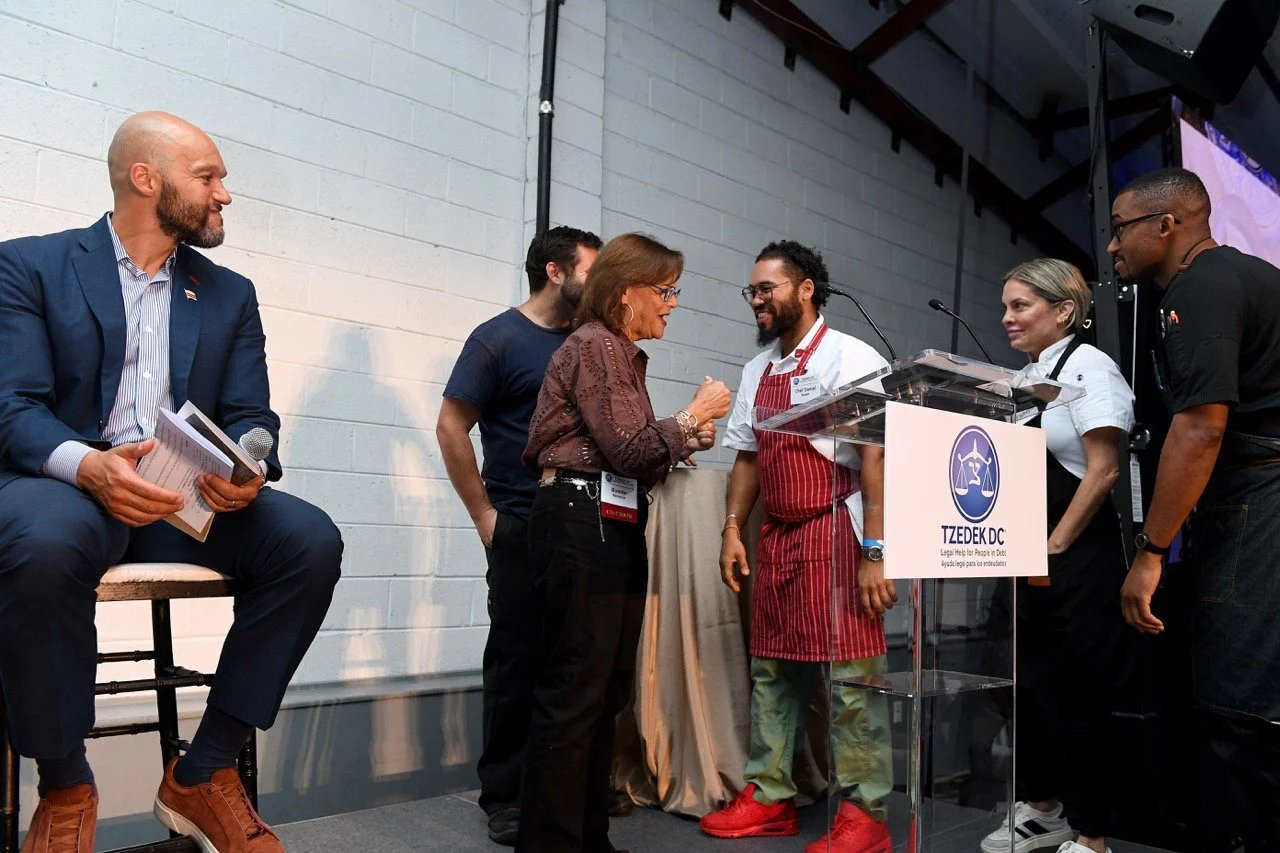
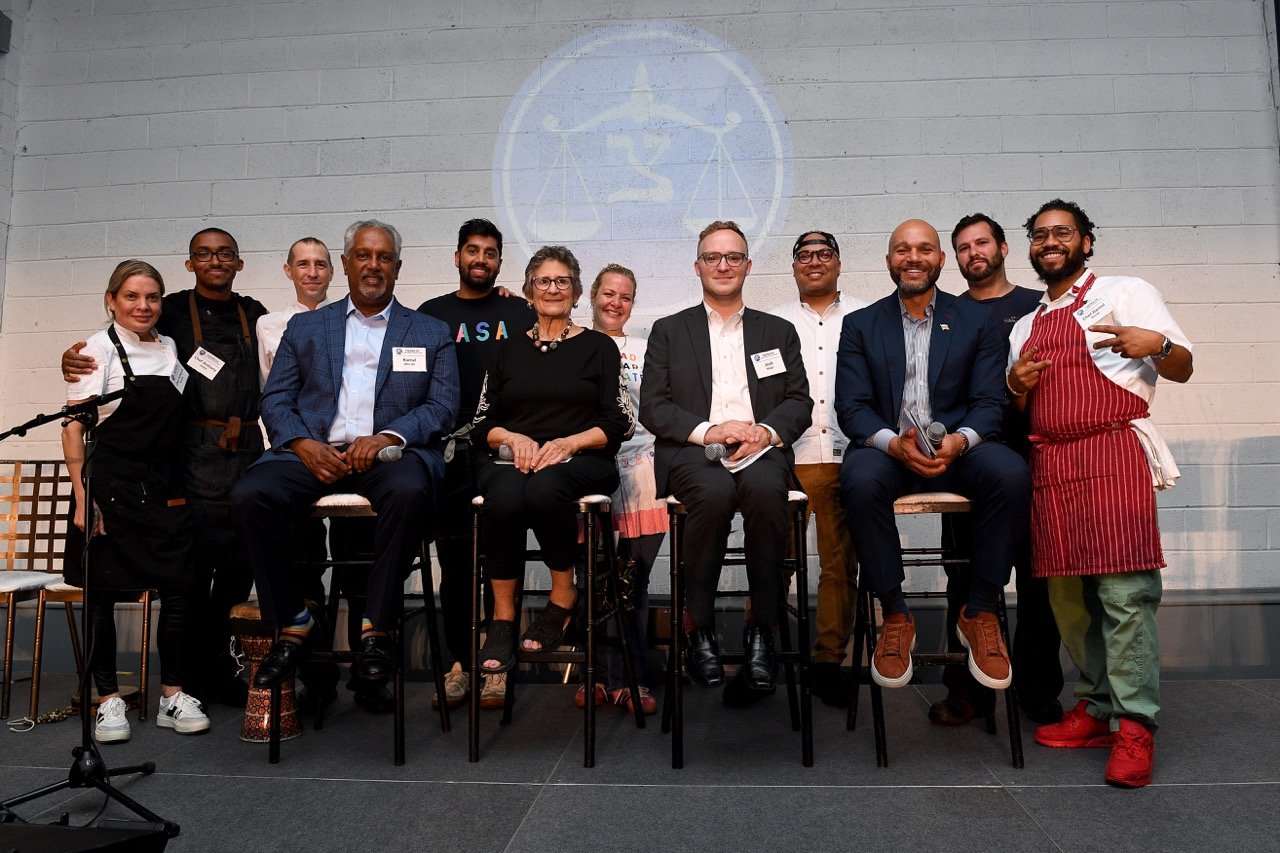
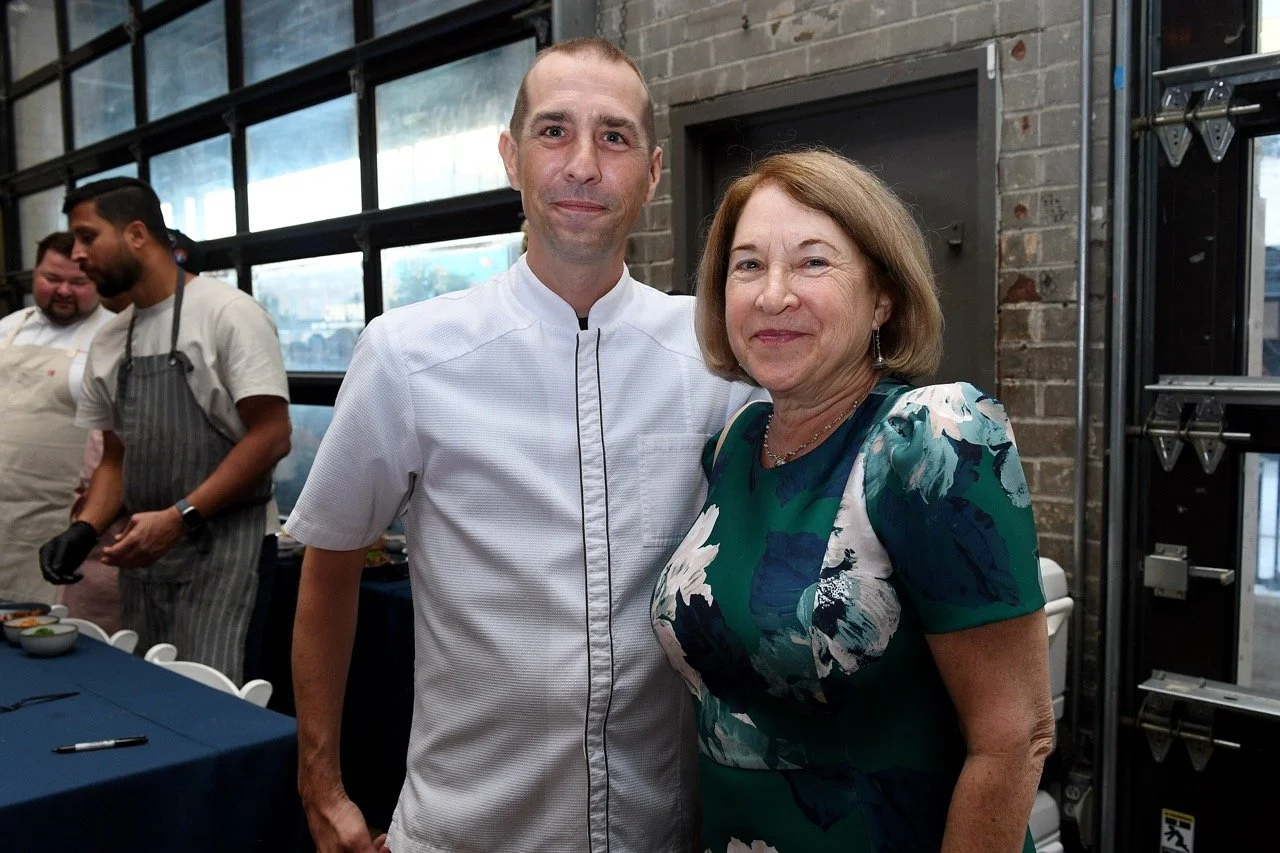
Ultimately, the five stellar chefs stole the show that evening, each with their own unique creations. David Guas of Bayou Bakery and Neutral Ground Kitchen whipped up an early fall lost bread, Michelle Poteaux of Bastille Brasserie & Bar baked a gâteau renversé aux pommes, and Briana White of Emma’s Torch brought a black-eyed pea succotash with honey corn puree and apple chips.

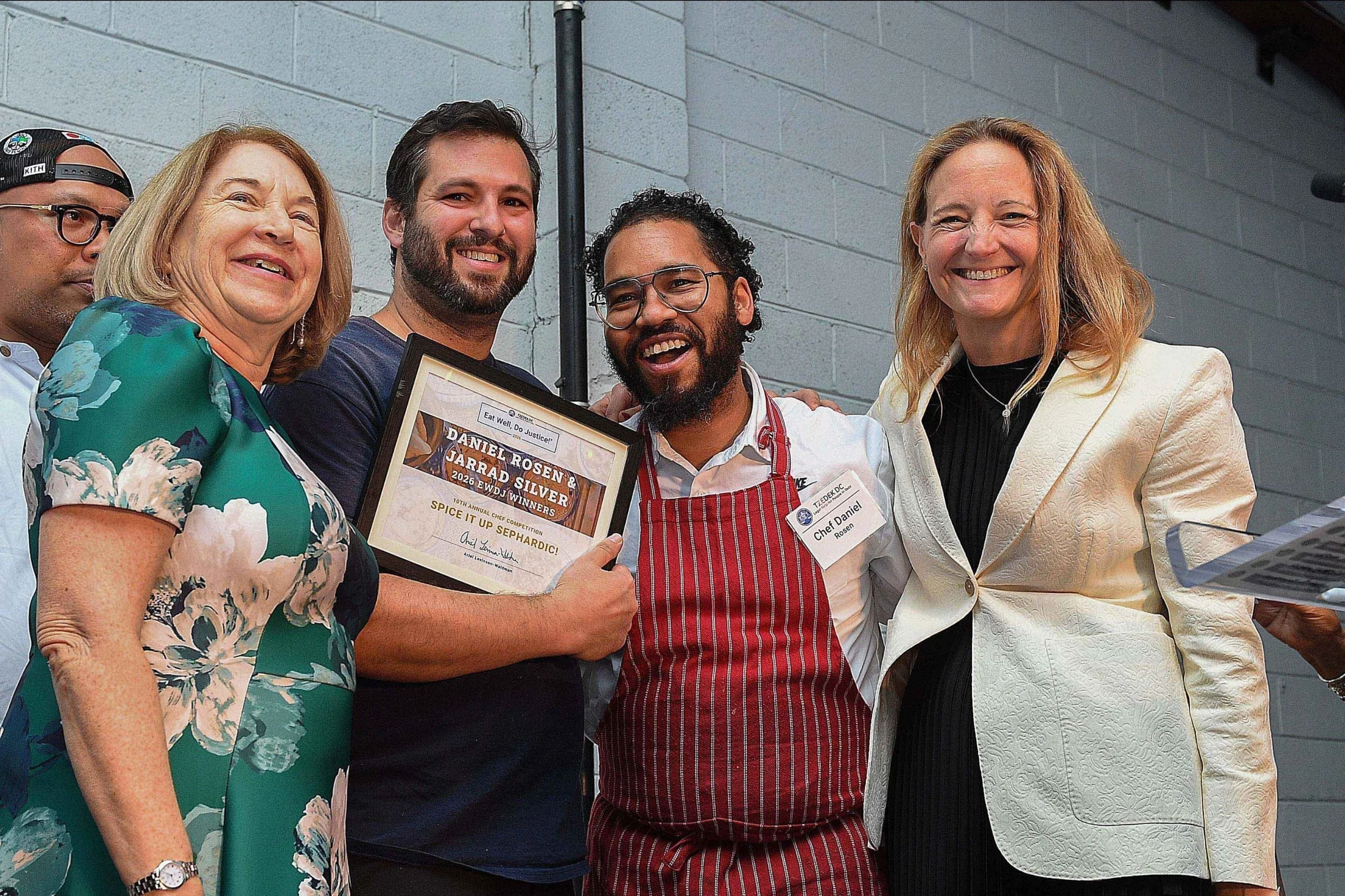
The competition was intense, with some judges going back for seconds (or even thirds!) to help make their decision. Ultimately, we could not crown only one winner—two fantastic dishes emerged in a tie! Scheyla Acosta of La Bonne Vache won the popular vote with a goat cheese panna cotta, and Rochelle Cooper of the Duck & the Peach captured the judges’ hearts with her nostalgic vegan caramel apple cake with caramel honey apples.

We are especially grateful to guest judges Rev. Thomas Bowen, Earl L. Harrison Minister of Social Justice at Shiloh Baptist Church; Bea Gurwitz, Executive Director of the Capital Jewish Museum; Seth Waxman, Partner at WilmerHale and former U.S. Solicitor General; and Chef Daniel Rosen, winner of Eat Well, Do Justice!® 2024!

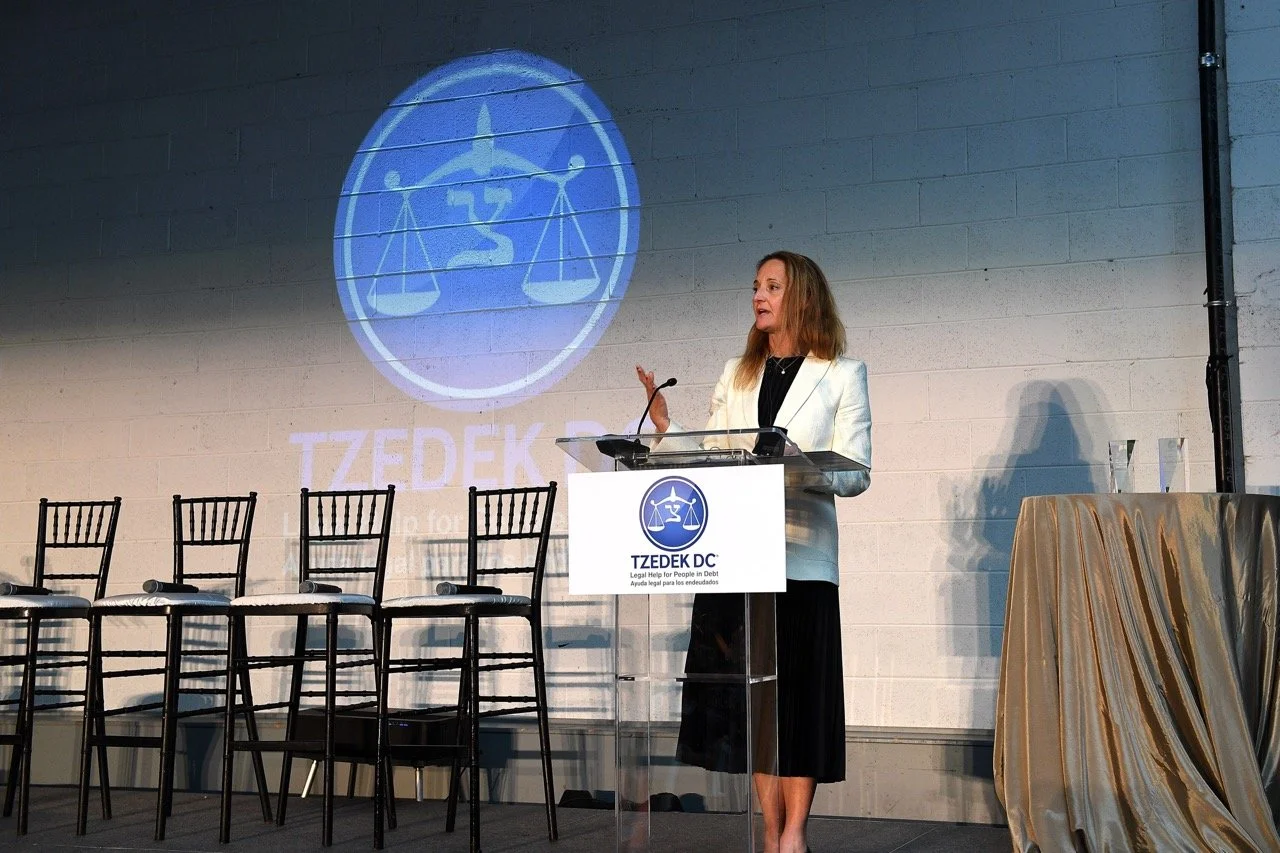
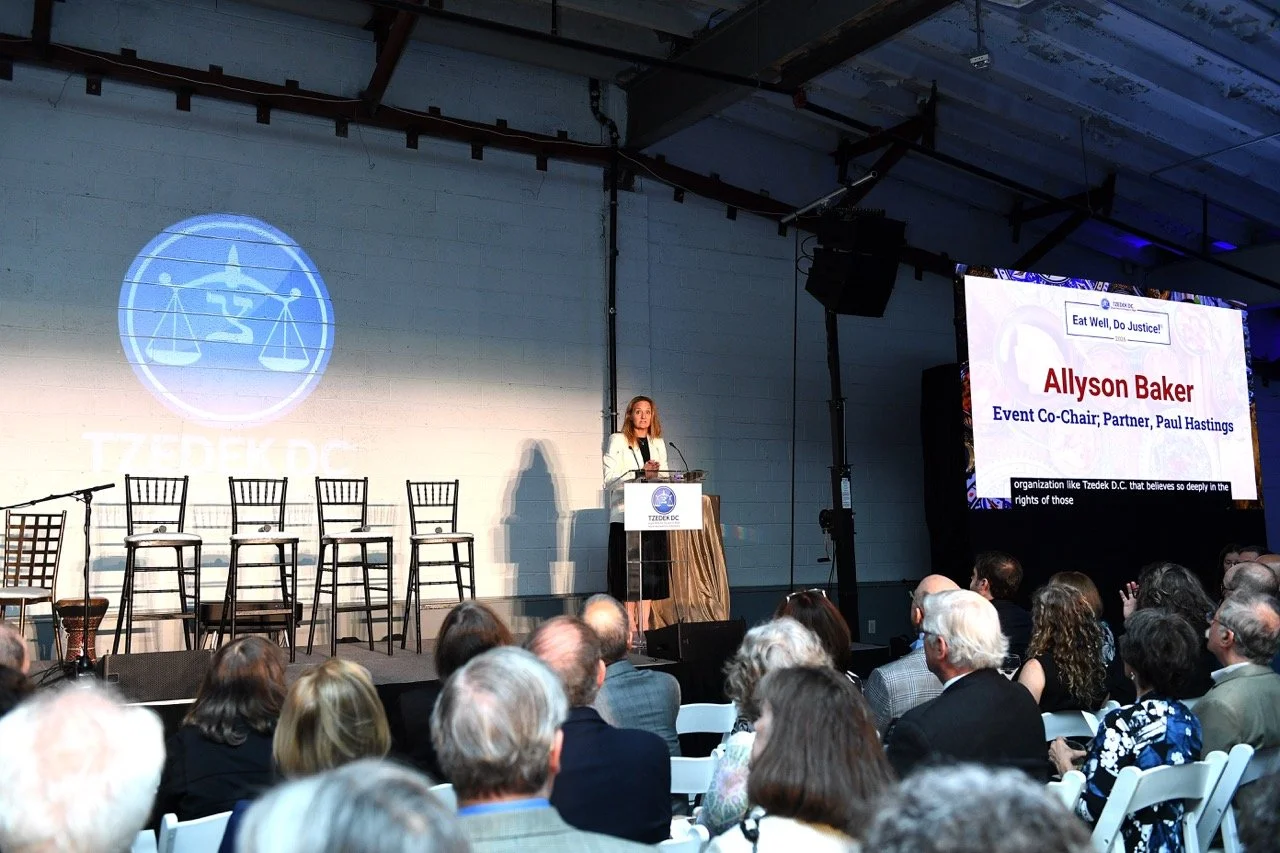
The event was skillfully chaired and moderated by former Washington Post food editor Bonnie Benwick and co-chaired by Paul Hastings Partner Allyson Baker and long-time consumer advocate Nina Simon. The Host Committee and Sponsors were also instrumental in the evening’s success, and we are grateful for the attendance of DC Attorney General Brian Schwalb as well as DC Council Chair Phil Mendelson and fellow Councilmembers Charles Allen, Matthew Frumin, and Robert White.

Gifts to Tzedek DC this month are being matched thanks to the extraordinary generosity of several anonymous donors. The match extends up to $18,000 and has not yet closed, and proceeds will support the growth of programs such as our Financial Empowerment Program. Please consider donating now to double the impact of your gift!

Make sure to secure your tickets for EWDJ 2026 when they become available next summer!

DONATE NOW

Tzedek DC and Allies Submit Brief to Stop Policing in DC by State Militias

Tzedek DC and allied DC civil rights and legal services organizations have filed a federal court amicus brief to support the District of Columbia’s lawsuit to stop the use of the National Guard for local law enforcement purposes. 

The brief states: “The President’s use of the military to attempt to... ‘take [the District] back,’ ‘take it away from the Mayor,’ and ‘run it the way it’s supposed to be run’ defies any notion of democratic representation and flies in the face of the more than 200-year old fight by District residents to achieve Home Rule.” 

The District’s right to autonomy and self-governance is intrinsically intertwined with racial justice and civil rights, and the grant of DC Home Rule in 1973 was a direct result of the efforts in the civil rights movement to ensure that DC residents, over two-thirds of whom at the time were Black, have the right to full democratic participation. 

As an organization that serves a significant number of crime victims, Tzedek DC is especially concerned that those making choices about running the District’s local public safety functions are accountable to those who will feel the impact of their decisions most directly. 

The brief argues that deployment of National Guard troops from states from all around the country for local District law enforcement purposes causes irreparable harm to residents. Public trust and safety are damaged by shifting law enforcement from local police to state militias, which creates a sense of distrust among victims of crime from seeking support from government agencies and removes critical democratic accountability over our client community’s welfare. 

“Tzedek DC is grateful to the Washington Lawyers’ Committee and ACLU-DC, and we join our amicus coalition in standing with our client community,” said Founding President & Director-Counsel Ariel Levinson-Waldman. “We support DC Attorney General Brian Schwalb and the Office of the Attorney General’s efforts to challenge the legality of this damaging and unilateral federal imposition of state militias on our client community.” 

Along with Tzedek DC, the amicus brief coalition includes the Washington Lawyers’ Committee for Civil Rights and Urban Affairs and ACLU-DC, who filed the brief, as well as Amica Center for Immigrant Rights, Bread for the City, Children’s Law Center, DC Appleseed Center for Law & Justice, Disability Rights DC at University Legal Services, Legal Aid DC, School Justice Project, and Washington Legal Clinic for the Homeless. 

Read the amicus brief here. 

About Tzedek DC  

Tzedek DC’s name is drawn from the ancient Jewish teaching “Tzedek, tzedek tirdof,” or “Justice, justice you shall pursue.” Headquartered at the University of the District of Columbia David A. Clarke School of Law and with offices also in Ward 8, Tzedek DC’s mission is to safeguard the legal rights and financial health of DC residents with lower incomes facing the often-devastating consequences of debt collection and credit-related obstacles. This mission is carried out as anti-racism work in response to the massive wealth gaps tracking race in DC and nationwide. Tzedek DC seeks to serve and empower our client base, which is comprised of 90% Black people, 60% women, and 25% disabled community members. Our strategic approach combines three synergistic activities: (i) free direct services—legal representation and advice and financial counseling; (ii) working in coalition to make systemic change; and (iii) providing bilingual community legal education on debt collection, identity theft, and credit management. 

Tzedek DC Occupational License Reform Win Featured in Washington Lawyer Magazine

Washington Lawyer Magazine profiled Tzedek DC client Kahssay Ghebrebrhan in their recent September-October issue, highlighting the impact of our occupational license reform efforts.

Under the District's prior Clean Hands mandate, DC workers and entrepreneurs with owed fines or fees over a threshold amount were barred from obtaining occupational and small business licenses, with no exceptions and no inquiry as to ability to pay. This debt-based punishment has affected more than 125 occupations, covering over 48,000 workers—nearly one-fifth of all DC workers—including food vendors, barbers, cosmetologists, nurses, social workers, plumbers, and dozens of other occupations crucial to the District’s economy.

Tzedek DC, alongside co-counsel the Washington Lawyers' Committee for Civil Rights and Urban Affairs and Weil, Gotshal & Manges LLP, represented Kahssay and other DC workers in federal district court, arguing that the practice was unconstitutional, reinforced inequalities, and penalized poverty.

After Tzedek DC and coalition allies’ advocacy, the DC Council enacted a series of reforms, culminating on July 28 of this year, in the passage of a reform under which fines and fees from parking and traffic tickets no longer disqualify DC workers and entrepreneurs from occupational and business licenses.

Tzedek DC is grateful for the outstanding partnership with our co-counsel, as well as to the nonprofit Beloved Community Incubator, which worked closely with Kahssay and the other workers in our case.

Read the profile here.

Director Ariel Levinson-Waldman Named 2025 Washington Business Journal Nonprofit Leader

Tzedek DC’s Founding Director, Ariel Levinson-Waldman, has been granted the 2025 Nonprofit Leader Award in the Washington Business Journal’s Innovators in Health Care program.  

The annual award honors leaders driving transformative change to improve health outcomes in the DC area. One award per year in the region is given to a nonprofit leader, with other awards given in other categories. 

Ariel was recognized for Tzedek DC’s work in leading efforts to eliminate debt-related legal barriers that prevent District residents from accessing healthcare. Under his leadership, Tzedek DC has advanced policies and provided direct legal services to protect patients’ rights, reduce and mitigate medical debt, and address systemic inequities that disproportionately affect communities of color. 

“Every day, I have the privilege of working alongside a team whose dedication to justice and compassion for our neighbors inspires me,” Ariel said. “This honor belongs to the entire Tzedek DC team, including our medical debt team led by Staff Attorney Jennifer Holloway, our partners, and the courageous residents we serve. We see firsthand how debt and related legal problems can upend lives—threatening health, housing, and financial stability. We are committed to breaking down those barriers so that every resident has the chance to thrive.” 

The Washington Business Journal awards ceremony will be held on September 30, 2025.

About Tzedek DC, Our Medical Debt Work, and the Health Equity Fund 

Tzedek DC’s name is drawn from the ancient Jewish teaching “Tzedek, tzedek tirdof,” or “Justice, justice you shall pursue.” Headquartered at the University of the District of Columbia David A. Clarke School of Law, and with offices also in Ward 8, Tzedek DC is a nonprofit organization. Our mission is to safeguard the legal rights and financial health of DC residents with lower incomes facing the often-devastating consequences of debt collection and credit-related obstacles, including those arising from medical debt. This mission is carried out as anti-racism work in response to the massive wealth gaps tracking race in DC and nationwide. Tzedek DC seeks to serve and empower its client base, which is comprised of 90% Black residents, 60% women, and 25% disabled community members. Our strategic approach combines three synergistic activities: (i) free direct services—legal representation and advice, and financial counseling; (ii) working in coalition to make systemic change; and (iii) providing bilingual community legal education on debt collection, identity theft, and credit management. Since 2017, Tzedek DC has served over 5,000 client households in legal matters and catalyzed systemic reforms benefiting hundreds of thousands of DC residents.

A portion of Tzedek DC’s medical debt work is funded by the Health Equity Fund, as administered by the Greater Washington Community Foundation in partnership with the Health Equity Committee. The Health Equity Fund is designated to improve the health outcomes and health equity of residents of the District of Columbia. The historic fund is one of the largest philanthropic funds of any kind focused on community-based nonprofits that serve District residents. Given that 80 percent of DC’s health outcomes are driven by social, economic, and other factors, compared to just 20 percent by clinical care, the Health Equity Fund adopts an economic mobility frame to address the root causes of health inequity and advances a sustainable network of people, organizations, and projects to ensure equitable health outcomes for Black, Brown, Indigenous, People of Color and other marginalized populations in DC.

We are especially grateful to the Health Equity Fund for the support and shared vision of health equity and racial and economic justice. 

Congrats to our Summer Empowerment Program Grads!

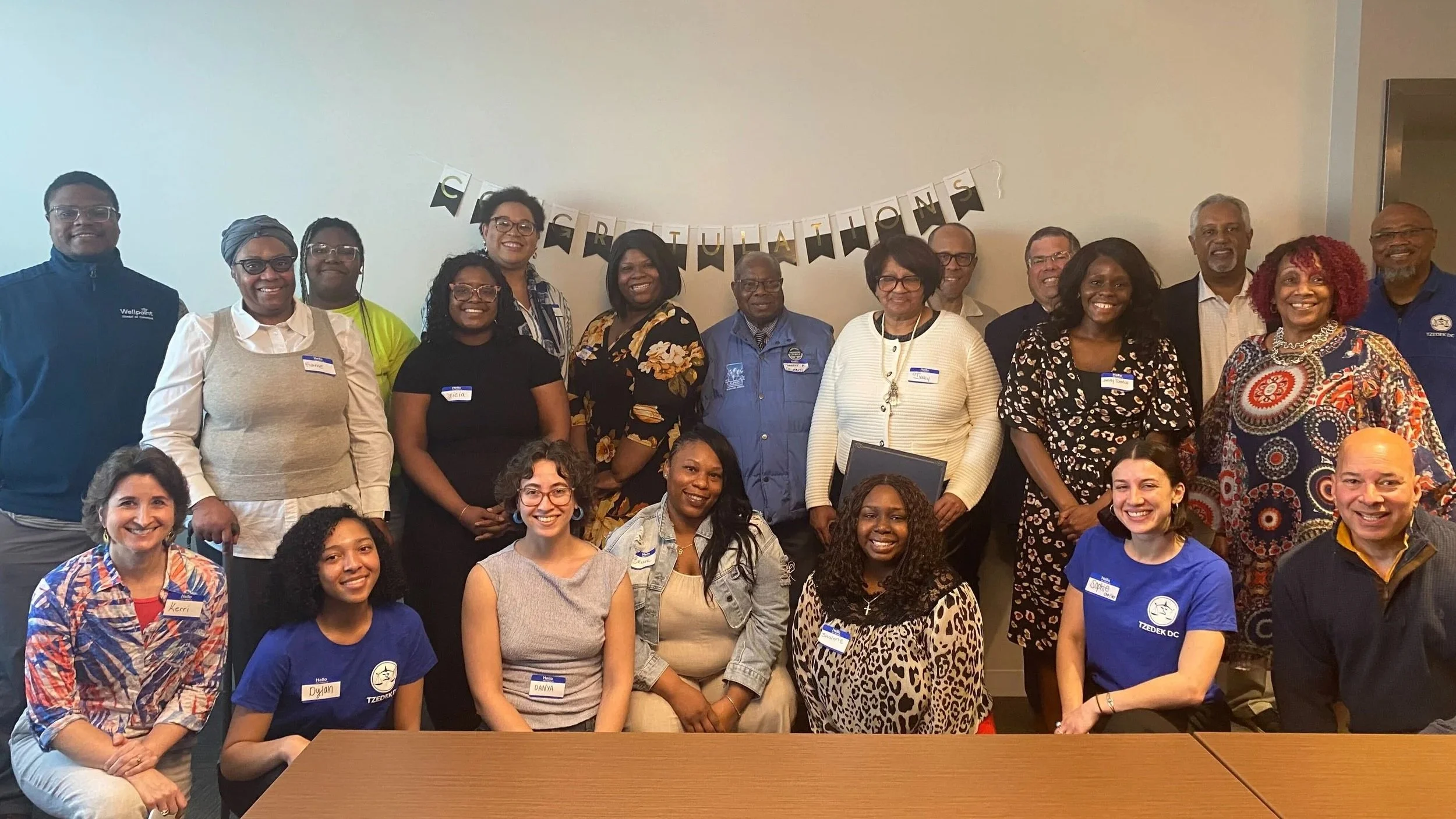
On August 6, Tzedek DC celebrated the summer graduates of its Financial Empowerment Program.

Program graduates heard from DC Court of Appeals Senior Judge Eric Washington and Program Alum Yoyo Kebede. Yoyo congratulated the participants on their motivation to consistently show up for themselves over the course of the 8-week program. Judge Washington encouraged the participants to be agents of change in their community by sharing that the “better we understand financial literacy, the better it will be for our whole community.”

Graduates from the in-person and virtual summer sessions took Yoyo and Judge Washington’s words to heart. Program participants are already taking actionable steps to achieve their financial goals, and several shared their excitement to teach others the tools and knowledge they learned in the program.

We are so proud of our program graduates’ commitment and engagement over the past 2 months and are excited to welcome them to the growing program alumni community!

A big thank you to our program partners at Industrial Bank for attending as well, our amazing graduation speakers, and special shout-outs to local Ward 8 restaurants, MLK Deli and Sweet Tooth Cafe & Cakes, for providing the meals and cupcakes for the graduation!

Launched in 2023, Tzedek DC’s Financial Empowerment Program supports young DC residents with the tools and knowledge to navigate everyday financial decisions and plan for their financial futures—from budgeting and saving to understanding credit, avoiding scams, and investments.

Each participant receives 16 hours of instruction, free access to credit and financial counseling, and $100 in seed funding for an investment account, plus three years of administrative costs covered, through Stackwell Capital. The funds are intended to help graduates apply what they’ve learned in a real-world setting.

Workshops are led by Tzedek DC financial counselors and attorneys, experts from our partners, entrepreneurs from the DC-area business community, and volunteer professionals from the financial services community.

For more information about the Financial Empowerment Program, including our upcoming sessions, visit tzedekdc.org/empowerment.

Tzedek DC Celebrates DC Council’s Reforms to Occupational and Business Licensing

On July 28, the DC Council passed a reform as part of its budget bill vote that, when it takes effect, will firmly end DC’s automatic disqualification from occupational and business licensing for workers with debt to the DC Department of Motor Vehicles.

Until 2024, the District's Clean Hands Law automatically disqualified anyone with over $100 in unpaid fines and fees from obtaining occupational and business licenses issued by the DC government. This debt-based punishment has affected more than 125 occupations, covering over 48,000 workers—nearly one-fifth of all DC workers—including food vendors, barbers, cosmetologists, nurses, social workers, plumbers, and dozens of other occupations crucial to the District’s economy.

Tzedek DC documented the Clean Hands law’s disproportionate impact on workers with lower incomes and its role in exacerbating racial income inequality in our narrative-changing 2023 report, “Locked Out: How DC Bans Workers with Unpaid Fines from More than 125 Jobs or Starting a Business, and What We Can Do About It”.

Following the report, Tzedek DC, workers in our client community, and a diverse range of 20+ advocacy partners engaged with the District’s Executive and the DC Council and sought relief from the courts for workers who were desperate to get back to work.

Along with pro bono co-counsel from the Washington Lawyers’ Committee and Weil, Gotshal & Manges LLP, Tzedek DC filed a constitutional challenge on behalf of a group of workers, based on the law’s failure to provide due process before disqualifying workers from licenses. Following our suit, the DC government changed its guidance on eligibility for occupational and professional licensing, updating the Office of Tax and Revenue’s website to indicate that parking and traffic debt would no longer be a bar to obtaining an occupational or business license.

The Council’s Office of Racial Equity (CORE) concluded that “[b]ecause of the Clean Hands policy, Black residents are disproportionately blocked from occupational licenses [or] starting a business …. This leaves Black residents disproportionately impacted by fines but with fewer opportunities to build wealth that may help them pay debts resulting from fines and fees.” The Council in 2024 then took a positive initial step of raising the threshold from $100 to $1000 of fines and fees.

Because key language in the law remained unchanged, however, parking or traffic debt continued to be connected to occupational and business license eligibility, notwithstanding the updated guidance from the Office of Tax and Revenue. Thanks to the now-passed change in law, championed by DC Council Economic Development Committee Chair Kenyan McDuffie following a Committee hearing and testimonies from impacted residents, both workers and public servants will have important clarity.
Despite this success, the budget bills passed this year by the federal and District governments will, in many ways, hurt vulnerable residents and lead to more debt, more people without health insurance, and continued barriers to opportunity, stability, and health. More reform is needed, and Tzedek DC commits to continuing our coalition-based advocacy.
Meanwhile, today, we celebrate this step towards fuller economic inclusion, resulting from years of work in collaboration with coalition partners and, most importantly, the DC residents who shared their stories, time, and voices with policymakers to make systemic change.

About Tzedek DC

Tzedek DC’s name is drawn from the ancient Jewish teaching “Tzedek, tzedek tirdof,” or “Justice, justice you shall pursue.” Headquartered at the University of the District of Columbia David A. Clarke School of Law and with offices also in Ward 8, Tzedek DC’s mission is to safeguard the legal rights and financial health of DC residents with lower incomes facing the often-devastating consequences of debt collection and credit-related obstacles. This mission is carried out as anti-racism work in response to the massive wealth gaps tracking race in DC and nationwide. Tzedek DC seeks to serve and empower our client base, which is comprised of 90% Black people, 60% women, and 25% disabled community members. Our strategic approach combines three synergistic activities: (i) free direct services—legal representation and advice and financial counseling; (ii) working in coalition to make systemic change; and (iii) providing bilingual community legal education on debt collection, identity theft, and credit management.

Washington Informer Features Tzedek DC's Medical Debt Reform Proposals

Tzedek DC's recent groundbreaking report on medical debt was featured in the Washington Informer.

Our report, titled "More Than a Band-Aid: Systemic Changes to Protect DC Residents from Medical Debt," shows how medical debt drives financial hardship, worsens health outcomes, and deepens racial and economic disparities in the District. It also offers solutions that the DC Council can implement as a state-level government.

In addition to fantastic quotes from our Director, Ariel Levinson-Waldman, the article also includes shout-outs from Councilmember Christina Henderson, chair of the DC Council Committee on Health, and Berneta Haynes from the National Consumer Law Center.

Our Eat Well, Do Justice!® 2025 event works to raise money to address critical issues like these. Join us on September 29 to support this work! Tickets and sponsorships are available here.

Read the article here.

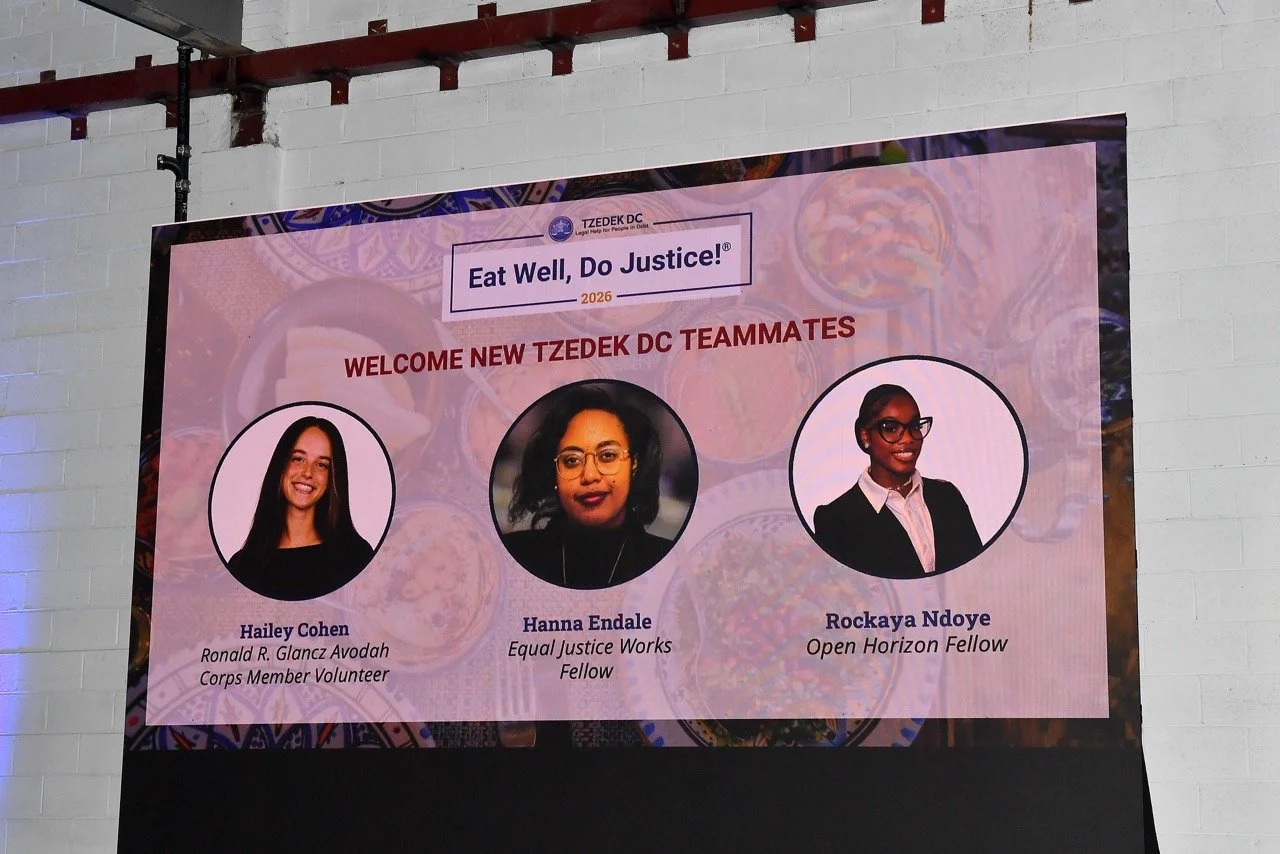
Tzedek DC Announces Open Horizon Fellowship Program

Tzedek DC is thrilled to announce the launch of our Open Horizon Fellowship program, aimed at expanding the pipeline of DC future public interest attorney leaders.

The program has two parallel goals: first, to expand the pipeline of DC public interest attorneys from historically marginalized communities who are well-prepared to assume future leadership roles; and, second, to contribute meaningfully to Tzedek DC’s ongoing direct legal services, policy work, community outreach, and management work.

The innovative Open Horizon Fellowship at Tzedek DC is intentionally longer than most—three years—and is designed to give post-law school Fellows a breadth and depth of experience in direct services, systemic reform, and nonprofit management and leadership, with one year each spent focused on those three areas, including, during the third year, mentoring the next Open Horizon Fellow at Tzedek DC.

“We are grateful for this social impact investment by Open Horizon and are excited to launch this Fellowship,” said Tzedek DC’s Director Ariel Levinson-Waldman. “Our full team looks forward to working closely with our Open Horizon Fellows to put them on the path towards future leadership.”

“We believe that experiential learning is a powerful driver of both personal growth and social change,” said Open Horizon Co-Founder and Acting Director Lisa Cohen. “The Open Horizon Fellowship at Tzedek DC will create access for emerging leaders who may not otherwise have these opportunities, and do so at an organization with an outstanding track record.”

Applications for the inaugural Open Horizon Fellowship at Tzedek DC open on July 15, 2025, and will close on September 30, 2025, with an anticipated start date in September 2026, running through September 2029. (A second such Fellowship is projected to begin in the fall of 2028.) Law students graduating in the spring of 2026 or those who will finish a judicial clerkship around that time are eligible for the Fellowship. Apply here today or share the job posting!

About Open Horizon

Open Horizon is a family foundation based in Alexandria, VA, established in 2019. Open Horizon collaborates with nonprofit partners to co-create opportunities that advance racial and social justice through support in Economic Justice, Education Justice, and Health Justice. Serving the Greater Washington DC area, the US South, and beyond, Open Horizon is committed to catalyzing positive change by funding, building capacity, convening communities, and amplifying voices. Through relational and values-driven philanthropy, we invest in transformative leaders and community-rooted strategies for lasting impact.

About Tzedek DC

Tzedek DC’s name is drawn from the ancient Jewish teaching “Tzedek, tzedek tirdof,” or “Justice, justice you shall pursue.” Headquartered at the University of the District of Columbia David A. Clarke School of Law and with offices also in Ward 8, Tzedek DC’s mission is to safeguard the legal rights and financial health of DC residents with lower incomes facing the often-devastating consequences of debt collection and credit-related obstacles. This mission is carried out as anti-racism work in response to the massive wealth gaps tracking race in DC and nationwide. Tzedek DC seeks to serve and empower our client base, which is comprised of 90% Black people, 60% women, and 25% disabled community members. Our strategic approach combines three synergistic activities: (i) free direct services—legal representation and advice and financial counseling; (ii) working in coalition to make systemic change; and (iii) providing bilingual community legal education on debt collection, identity theft, and credit management. Since launching in 2017, Tzedek DC has served over 5,000 households and catalyzed systemic change benefiting hundreds of thousands of DC community members.